Food Processing Facility Panel Requirements for Hygiene and Thermal Control
A practical engineering checklist for selecting sandwich panels in food processing environments where hygiene and temperature stability are mandatory.
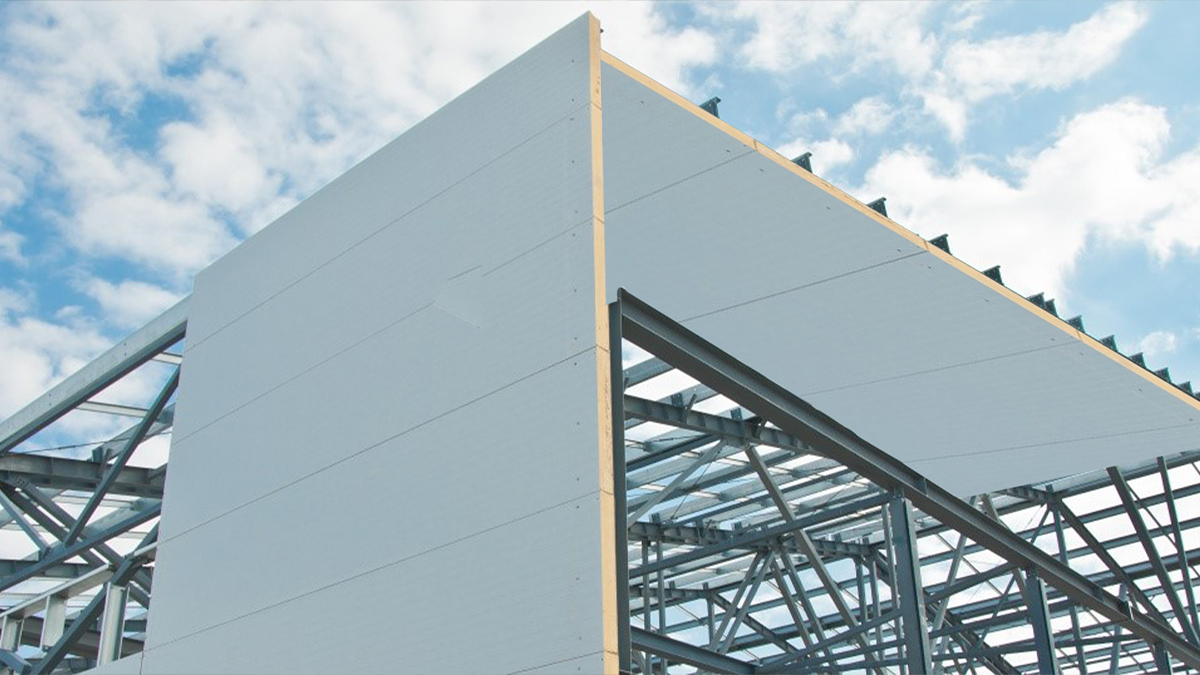
Food Facilities Need Envelope Decisions Driven by Hygiene
In food processing, panel selection affects both product safety and utility cost. High washdown frequencies, cleaning chemicals, humidity cycles, and strict temperature windows demand envelope systems that are thermally efficient and hygienically maintainable. Low-cost panel choices often fail at joints, corners, and service interfaces where residues and moisture accumulate.
Facilities in Ahmedabad and Gujarat dairy, snack, and frozen food segments should define requirements by process zone: raw handling, processing, packaging, and dispatch. Each zone has different thermal and hygiene stresses.
Panel Requirement Matrix for Food Plants
| Requirement | Recommended Practice | Risk if Ignored |
|---|---|---|
| Surface cleanability | Smooth coated metal faces with sealed joints | Microbial retention at crevices |
| Thermal performance | Thickness by process temperature (60-120 mm typical) | Temperature drift and higher energy cost |
| Chemical wash compatibility | Coating compatibility with cleaning regime | Coating breakdown and corrosion |
| Joint and corner detailing | Hygienic radiused transitions where needed | Difficult cleaning and contamination risk |
Thermal and Process Stability Considerations
PUF thermal conductivity around 0.022-0.026 W/mK supports process area control when thickness and air sealing are appropriate. In prep rooms and controlled packing zones, stable envelope performance reduces compressor cycling and minimizes condensation episodes. This improves consistency and reduces spoilage risk.
For cold chain interfaces, pair panel design with door management, pressure balancing, and floor thermal breaks. Inadequate detailing at interfaces can negate good panel selection.
Comparison of Typical Envelope Strategies
| Strategy | Advantages | Limitations |
|---|---|---|
| General industrial panel approach | Lower upfront cost | Hygiene and washdown limitations |
| Food-grade detailed panel system | Better cleanability and process stability | Higher detailing and QA effort |
Implementation Checklist
- Map hygiene zones before panel BOQ finalization.
- Specify cleaning chemical compatibility in procurement scope.
- Control every penetration and close all exposed insulation edges.
- Include envelope verification in commissioning protocol.
For project benchmarking, teams usually consult https://phoenixxsmartbuild.com/products/sandwich-panels/cold-room-panel and associated solution pages before detailing.
Frequently Asked Questions
Can standard industrial panels be used in food facilities?
They may be used in non-critical zones, but hygiene-sensitive process areas usually need more specialized detailing and finish requirements.
Why are panel joints critical in food environments?
Joints can trap moisture and residues if poorly detailed, creating cleaning and contamination challenges.
What thickness range is typical for food processing spaces?
Many facilities use 60-120 mm depending on process temperature, humidity, and storage profile.
How should envelope performance be validated?
Validation should include thermal checks, condensation observation, and cleanability verification under actual operating conditions.
Related Resources
Explore related products, locations, case studies, and technical guides from PHOENIXX SMARTBUILD.