What is a PIR panel?+
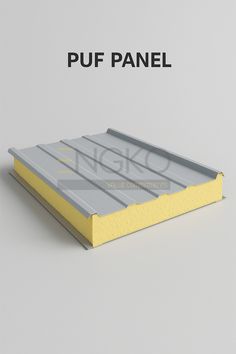
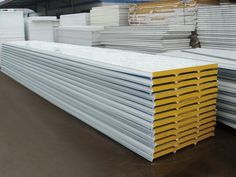
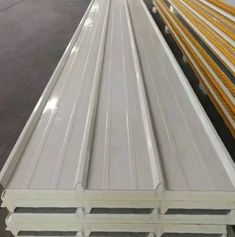
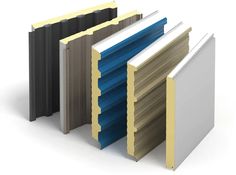
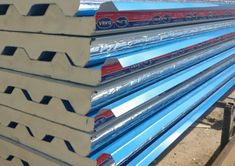
A PIR (Polyisocyanurate) panel is a type of insulated sandwich panel consisting of two metal facings bonded to a rigid PIR foam core. It offers superior fire resistance (Class B-s1, d0) and thermal insulation (0.022 W/mK) compared to standard PUF panels.
What is the difference between PIR and PUF panels?+
PIR panels have a modified polyurethane chemistry that provides better fire performance (Class B-s1, d0 vs Class E for PUF) and slightly better thermal conductivity (0.022 vs 0.024 W/mK). PIR is recommended for applications requiring fire safety compliance.
Are PIR panels FM Approved?+
Yes, PHOENIXX offers FM Approved PIR panels that meet Factory Mutual insurance requirements. FM Approved panels can help reduce insurance premiums for cold storage and industrial facilities.
What thickness of PIR panel do I need for cold storage?+
For cold storage at -20°C to -25°C, we recommend 100-150mm PIR panels. For chilled storage (+2°C to +8°C), 60-80mm is typically sufficient. Our engineers can calculate exact requirements based on your location and temperature needs.
How long do PIR panels last?+
PHOENIXX PIR panels have a service life of 25+ years with proper installation and maintenance. The panels maintain their thermal and structural properties throughout their lifespan.
Can PIR panels be used for roofing?+
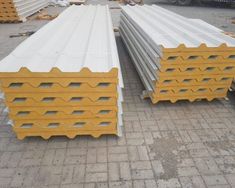
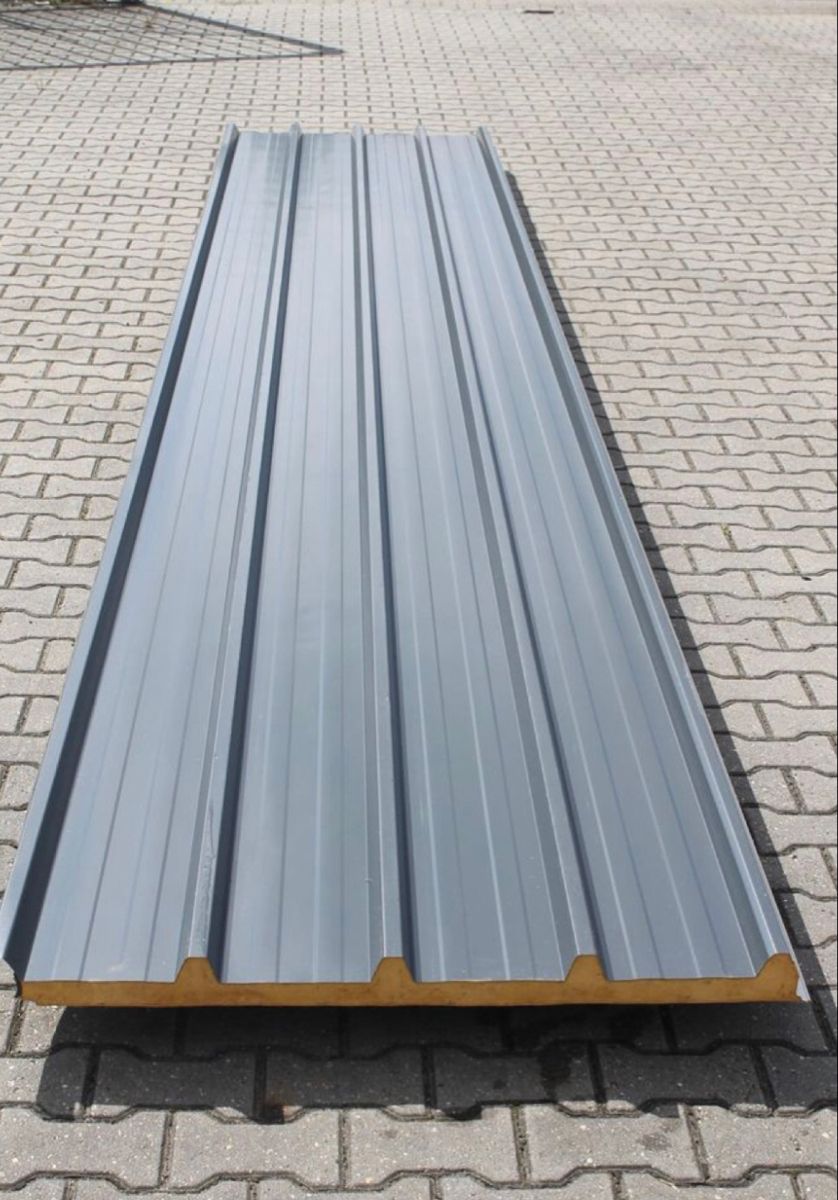
Yes, PIR panels are available in trapezoidal profiles specifically designed for roofing applications. They provide excellent weatherproofing along with thermal insulation.
What is the fire rating of PIR panels?+
PHOENIXX PIR panels achieve Class B-s1, d0 fire classification, meaning limited contribution to fire, very low smoke production, and no flaming droplets. Some variants can achieve up to 2-hour fire resistance ratings.
Are PIR panels suitable for cleanrooms?+
Yes, PIR panels with appropriate facings (stainless steel, PVC film, or PVDF coated) are ideal for cleanroom construction. They provide smooth, non-porous surfaces that meet GMP and ISO cleanliness standards.
What is the R-value of PIR panels?+
PIR panels offer R-values ranging from R-7 (30mm) to R-45 (200mm). The thermal conductivity of 0.022 W/mK provides approximately 15% better insulation than standard PUF panels at the same thickness.
How are PIR panels installed?+
PIR panels are installed using cam-lock or tongue-and-groove joints. Wall panels are typically installed vertically with concealed fixings, while roof panels use through-fixings with proper sealants. Installation is 50% faster than conventional construction.
Can PIR panels be curved?+
Standard PIR panels are flat, but curved panels can be manufactured for architectural applications with minimum radius requirements. Contact our technical team for curved panel specifications.
What colors are available for PIR panels?+
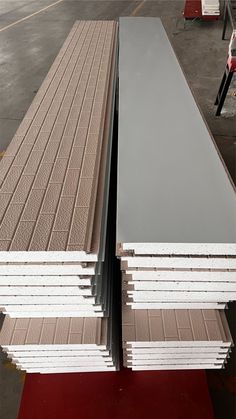
PIR panels are available in all RAL standard colors. Popular choices include Off-White (RAL 9002), Grey (RAL 7035), and Blue (RAL 5010). Custom colors are available for orders above 500 sqm.
Do PIR panels need maintenance?+
PIR panels require minimal maintenance. Annual cleaning with mild detergent and inspection of joints and sealants is recommended. The panels do not need painting or waterproofing treatments.
What is the cost of PIR panels per sqm?+
PIR panel pricing varies based on thickness, facing material, and order quantity. Contact our sales team for competitive quotes. PIR panels typically cost 10-15% more than PUF panels but offer superior performance.
Are PIR panels environmentally friendly?+
Yes, PHOENIXX PIR panels use zero-ODP (Ozone Depletion Potential) blowing agents and are fully recyclable. The energy savings over the building lifecycle significantly offset the embodied carbon.