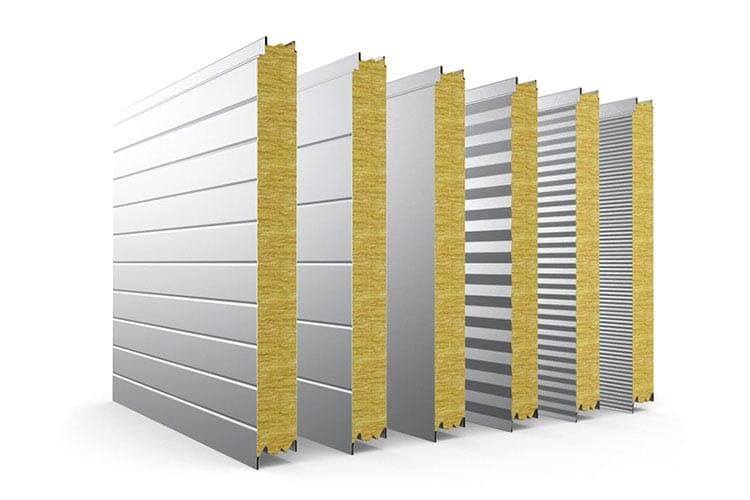
What is the fire rating of Rockwool panels?+
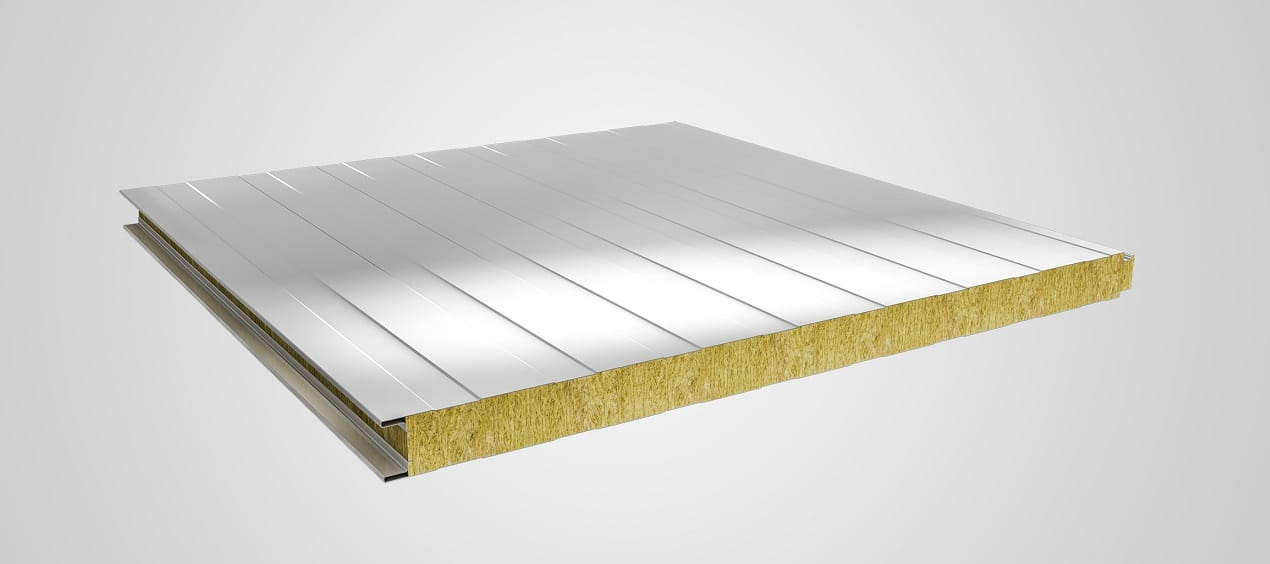
PHOENIXX Rockwool panels achieve A1 non-combustible classification - the highest fire rating possible. They can provide fire resistance from 30 minutes to 4 hours depending on thickness and construction.
How does Rockwool compare to PIR/PUF for fire resistance?+
Rockwool is A1 (non-combustible) while PIR is B-s1,d0 and PUF is Class E. For applications requiring non-combustible materials, Rockwool is the only choice among sandwich panels.
What is the thermal performance of Rockwool panels?+
Rockwool has thermal conductivity of 0.038-0.040 W/mK, which is lower than PIR/PUF (0.022-0.024 W/mK). However, slightly thicker panels compensate for this while providing superior fire performance.
Are Rockwool panels suitable for cold storage?+
While Rockwool provides thermal insulation, PIR panels are more efficient for cold storage due to better thermal conductivity. Rockwool is preferred where fire safety is the primary concern.
What is the acoustic performance?+
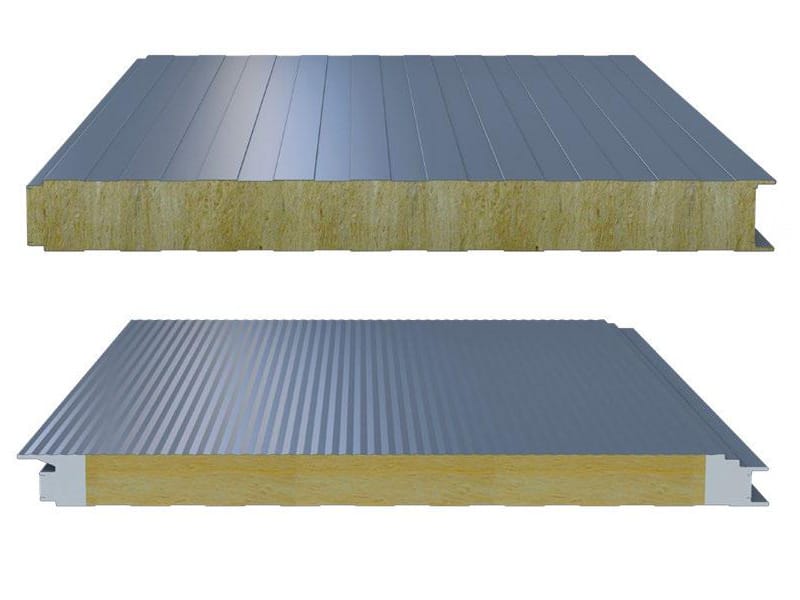
Rockwool panels offer excellent sound absorption with NRC (Noise Reduction Coefficient) up to 0.95 for perforated facings. Standard panels provide NRC 0.65-0.75.
Is Rockwool safe to handle?+
Yes, modern Rockwool is bio-soluble and safe to handle. Standard PPE (gloves, masks) during installation is recommended. PHOENIXX Rockwool meets all safety standards.
What is the weight of Rockwool panels?+
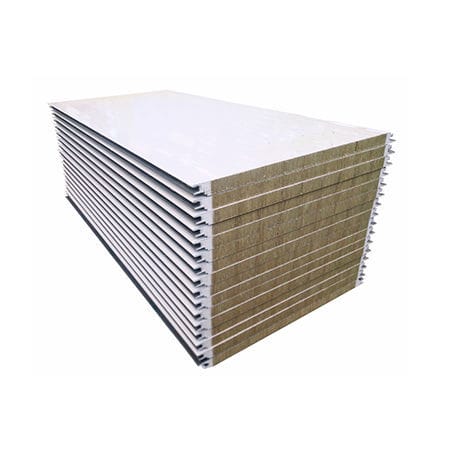
Rockwool panels are heavier than PUF/PIR, weighing 15-25 kg/sqm depending on thickness. Structural design must account for this additional load.
Can Rockwool panels be used outdoors?+
Yes, with proper facings and sealing, Rockwool panels are suitable for external walls. The mineral wool core is water-resistant and does not absorb moisture.
What certifications do Rockwool panels have?+
PHOENIXX Rockwool panels are tested as per IS 3809, comply with NBC 2016, and are certified for fire performance by accredited laboratories.
How long do Rockwool panels last?+
Rockwool panels have an expected service life of 30+ years. The mineral wool core does not degrade over time and maintains its fire and thermal properties.
Can Rockwool panels be recycled?+
Yes, Rockwool is made from natural basalt rock and is fully recyclable. Steel facings are also recyclable, making these panels environmentally friendly.
What thickness is required for fire walls?+
For 2-hour fire rating: 100mm, for 4-hour fire rating: 150mm typically. Exact requirements depend on building codes and specific applications.
Are Rockwool panels more expensive than PUF?+
Yes, Rockwool panels cost approximately 30-50% more than PUF panels due to the specialized core material. However, they may reduce insurance costs and are required for certain applications.
Can utilities be routed through Rockwool panels?+
Yes, but fire-stopping must be maintained around penetrations. Fire-rated sleeves and sealants are required for maintaining the fire rating.
What industries commonly use Rockwool panels?+
Data centers, oil & gas facilities, chemical plants, high-rise buildings, hospitals, and any application requiring non-combustible construction or superior acoustic performance.