Best Insulated Panel for Cold Storage in India – Expert Guide
An expert guide comparing PUF, PIR, and EPS panels for cold storage construction in India, covering temperature suitability, moisture resistance, energy efficiency, cost analysis, and recommendations from Phoenixx SmartBuild.
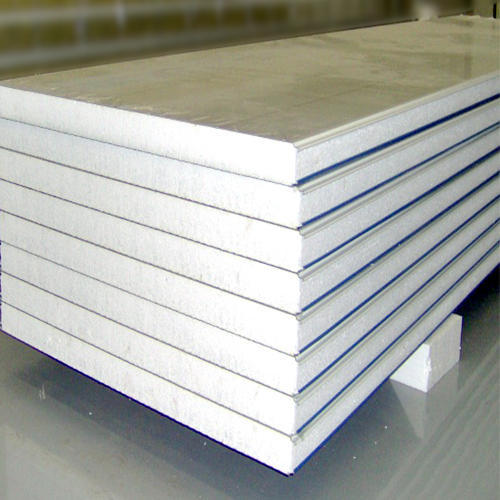
Choosing the Best Insulated Panel for Cold Storage in India
India’s cold storage industry is expanding rapidly—driven by growth in frozen food, dairy, pharmaceuticals, agricultural produce, and e-commerce. The insulated panel you choose for your cold storage facility directly impacts energy consumption, temperature stability, food safety compliance, and long-term operational cost.
In this expert guide, the engineering team at Phoenixx SmartBuild compares the three most common panel types used for cold storage construction in India—PUF, PIR, and EPS, and provides clear recommendations based on your operating temperature, budget, and regulatory requirements.
Cold Storage Temperature Classification
Before selecting a panel, it’s important to understand the temperature zone your cold storage will operate in:
| Cold Storage Type | Temperature Range | Typical Products Stored |
|---|---|---|
| Cool Room | +2°C to +8°C | Fresh vegetables, fruits, dairy, flowers |
| Chiller Room | 0°C to +4°C | Fresh meat, fish, pharmaceuticals |
| Frozen Storage | −18°C to −1°C | Frozen food, ice cream, seafood |
| Deep Freeze | −25°C to −18°C | Frozen meat, processed food, pharma cold chain |
| Blast Freezer | −40°C to −30°C | Quick-freeze processing, IQF products |
Panel Comparison for Cold Storage
| Parameter | PUF Panel | PIR Panel | EPS Panel |
|---|---|---|---|
| Thermal Conductivity | 0.022–0.024 W/mK | 0.020–0.023 W/mK | 0.035–0.040 W/mK |
| Min. Operating Temperature | −45°C | −45°C | −20°C |
| Moisture Absorption | < 2% | < 1.5% | 3–5% |
| Fire Rating | B2 (with retardant) | B1 (self-extinguishing) | B3 (flammable) |
| Panel Thickness for −18°C | 100–120 mm | 100 mm | 150–180 mm |
| Joint Sealing | Cam-lock / tongue-and-groove | Cam-lock / tongue-and-groove | Tongue-and-groove |
| FSSAI/HACCP Compliance | Yes | Yes | Limited |
| Price (100 mm, per sq ft) | ₹ 220–₹ 260 | ₹ 260–₹ 310 | ₹ 140–₹ 175 |
| Energy Efficiency Rating | Excellent | Best-in-class | Moderate |
PUF Panels for Cold Storage
PUF sandwich panels are the most widely used panels for cold storage in India, and for good reason. Their outstanding thermal conductivity (0.022–0.024 W/mK) means you can achieve excellent insulation with relatively thin panels, reducing both material cost and the space occupied by walls and ceilings.
PUF panels are suitable for the entire range of cold storage temperatures from +8°C cool rooms to −45°C blast freezers. Their closed-cell foam structure resists moisture penetration—critical in cold storage where temperature differentials between the inside and outside create condensation risks.
Recommended PUF Panel Thickness by Temperature
- +2°C to +8°C (cool room): 60–80 mm
- 0°C to +4°C (chiller): 80–100 mm
- −18°C to 0°C (frozen): 100–120 mm
- −25°C to −18°C (deep freeze): 120–150 mm
- −40°C (blast freezer): 150–200 mm
PIR Panels for Cold Storage
PIR panels offer a slight edge over PUF in both thermal performance and fire safety, making them the premium choice for cold storage projects. With a thermal conductivity of 0.020–0.023 W/mK, PIR panels can be 5–10% thinner than PUF for the same insulation requirement.
PIR’s superior fire rating (B1, self-extinguishing) is particularly valuable for cold storage facilities handling FSSAI-regulated food products or pharmaceutical goods where fire safety compliance is stringently audited. For projects requiring FM Global insurance approval, PIR is often the specified material.
EPS Panels for Cold Storage – Limitations
While EPS panels are the cheapest option upfront, they have significant limitations for cold storage:
- Poor insulation per inch: 40–45% less efficient than PUF, requiring much thicker panels
- Temperature limit: Not recommended below −20°C due to performance degradation
- Moisture absorption: Higher moisture uptake can lead to ice formation within the insulation, progressively reducing thermal performance
- Fire safety: EPS is flammable (B3) and prohibited in many cold storage projects by insurers and fire departments
- Shorter lifespan: May require replacement within 12–15 years in demanding cold storage environments
EPS panels may be acceptable for simple cool rooms (+5°C and above) on a tight budget, but for serious cold storage operations, PUF or PIR panels are the professional choice.
Energy Cost Impact – Why Panel Choice Matters
For a typical 5,000 sq ft cold storage operating at −18°C in an Indian climate (35–45°C ambient), the annual electricity cost for refrigeration can range from ₹12–18 lakhs. Choosing the right insulation panel can reduce this by 15–25%:
- PUF (100 mm): Estimated annual energy savings of ₹2–3 lakhs vs EPS
- PIR (100 mm): Estimated annual energy savings of ₹2.5–3.5 lakhs vs EPS
Over a 20-year building life, this translates to ₹40–70 lakhs in cumulative savings—far exceeding the upfront cost difference between PUF/PIR and EPS panels. For a detailed cost analysis, see our cold storage construction cost guide.
Phoenixx SmartBuild Recommendation
Based on our experience manufacturing panels for hundreds of cold storage projects across India, here is our recommendation:
- Best overall choice: PUF panels – optimal balance of insulation, cost, and durability
- Best for fire-sensitive/premium projects: PIR panels – superior fire rating with slightly better insulation
- Budget option (cool rooms only): EPS panels – acceptable above +5°C with adequate vapour barriers
Ready to build your cold storage? Get a free quote from Phoenixx SmartBuild and let our experts design the ideal panel specification for your project.
Frequently Asked Questions
Which panel is best for cold storage in India?
PUF panels are the most widely used and recommended panels for cold storage in India. They offer excellent thermal insulation (0.022–0.024 W/mK), low moisture absorption, and good cost-effectiveness across all temperature ranges from +8°C to −45°C. For premium fire-safety requirements, PIR panels are the best choice.
What thickness panel is needed for −18°C cold storage?
For a cold storage operating at −18°C in Indian climatic conditions, you typically need 100–120 mm PUF panels, 100 mm PIR panels, or 150–180 mm EPS panels. The exact thickness depends on ambient temperature, building location, and energy efficiency targets.
Can EPS panels be used for frozen storage?
EPS panels are not recommended for frozen storage below −20°C. Their higher moisture absorption leads to ice formation within the insulation over time, progressively reducing thermal performance. EPS also has a B3 (flammable) fire rating, which many insurers and regulators do not accept for cold storage facilities.
How much energy can the right panel save in cold storage?
Choosing PUF or PIR panels over EPS for a 5,000 sq ft cold storage at −18°C can save approximately ₹2–3.5 lakhs per year in electricity costs. Over 20 years, this amounts to ₹40–70 lakhs in cumulative savings, far exceeding the initial cost difference between panel types.
Do cold storage panels need a vapour barrier?
Yes. Regardless of panel type, a proper vapour barrier on the warm side of the insulation is essential to prevent moisture migration into the panel core. PUF and PIR panels have inherent vapour resistance due to their closed-cell structure, but panel joints, penetrations, and floor junctions must be carefully sealed.
Related Resources
Explore related products, locations, case studies, and technical guides from PHOENIXX SMARTBUILD.