Which Panel Is More Fire Resistant – PIR or PUF? Complete Analysis
A complete technical analysis of fire resistance in PIR and PUF panels, covering fire test results, B1/B2 ratings, self-extinguishing properties, smoke generation, FM Global approval requirements, and Indian fire safety regulations.
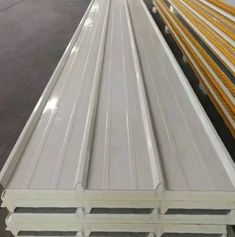
PIR vs PUF – Which Panel Offers Superior Fire Resistance?
Fire safety is a critical concern in industrial and commercial construction. In India, increasing awareness of fire hazards—coupled with stricter enforcement of the National Building Code (NBC 2016) and insurance requirements—has made fire performance a key factor in selecting insulated sandwich panels.
In this detailed analysis, Phoenixx SmartBuild compares the fire resistance properties of PIR (Polyisocyanurate) and PUF (Polyurethane Foam) panels using standardised test data, real-world behaviour, and regulatory requirements to help you choose the right panel for fire-sensitive applications.
Fire Classification Standards
Before comparing PIR and PUF, it’s important to understand the fire classification systems used in India and internationally:
| Standard | Classification | Description |
|---|---|---|
| EN 13501-1 (European) | A1, A2, B, C, D, E, F | A1 = non-combustible; F = highly flammable |
| DIN 4102 (German) | A1, A2, B1, B2, B3 | B1 = difficult to ignite; B3 = easily ignitable |
| FM Global (Insurance) | FM 4880 / 4881 | Approval for insulated wall/roof panels |
| NBC 2016 (India) | Group 1, 2, 3 | Flame spread, heat contribution, smoke generation |
PIR vs PUF – Fire Test Results Comparison
| Fire Parameter | PUF Panel | PIR Panel |
|---|---|---|
| DIN 4102 Classification | B2 (normally flammable) | B1 (difficult to ignite) |
| EN 13501-1 Classification | D-s2, d0 to C-s2, d0 | B-s1, d0 to C-s1, d0 |
| Self-Extinguishing | Limited (with FR additives) | Yes (inherent property) |
| Char Formation | Partial (melts at high temperature) | Strong (forms stable insulating char) |
| Smoke Generation | Moderate to High (s2 rating) | Low (s1 rating) |
| Burning Droplets | None (d0) | None (d0) |
| Heat Release Rate | Higher | 30–40% lower than PUF |
| Time to Flashover | Shorter | Significantly longer |
| FM 4880/4881 Compliance | Rare (limited products) | Common (widely available) |
The Science Behind PIR’s Fire Superiority
The key difference between PUF and PIR lies in their polymer chemistry. PIR panels are manufactured with a higher isocyanate index (typically 200–300 compared to 100–110 for PUF). This creates a more heavily cross-linked polymer network that behaves differently when exposed to fire:
- Char formation: When PIR is exposed to flame, it forms a dense, stable carbonised char layer on the surface. This char acts as a thermal barrier, insulating the underlying foam from heat and preventing flame penetration. PUF tends to soften and melt before charring, allowing deeper fire penetration.
- Lower heat release: PIR’s cross-linked structure releases 30–40% less heat energy when burned compared to PUF, reducing the fire’s intensity and growth rate.
- Reduced smoke: PIR generates significantly less smoke (s1 rating vs s2 for PUF), which is critical for occupant safety and evacuation in case of fire.
- Self-extinguishing: PIR panels are inherently self-extinguishing—when the external flame source is removed, the PIR core stops burning. PUF panels with fire-retardant additives also show some self-extinguishing behaviour, but it is less reliable.
FM Global Approval – What You Need to Know
FM Global is one of the world’s largest commercial property insurers, and their approval standards for insulated panels (FM 4880 for walls, FM 4881 for roofs) are considered the gold standard for fire safety in industrial construction.
To achieve FM approval, panels must pass a series of rigorous fire tests including:
- Room Corner Test: Full-scale fire test measuring flame spread, heat release, and smoke production
- Calorimeter Test: Measures heat release rate and total heat released
- Intermediate Scale Fire Test: Tests panel behaviour in a simulated wall or roof configuration
FM-approved PIR panels from Phoenixx SmartBuild have successfully passed these tests and are listed in the FM Approval Guide. While some PUF panels may meet FM criteria, PIR panels are far more commonly specified and approved for FM-insured projects.
Indian Fire Safety Regulations
In India, fire safety for buildings is governed by the National Building Code 2016 (NBC 2016) and local fire department regulations. Key provisions affecting insulated panel selection include:
- Part 4 (Fire and Life Safety): Specifies fire resistance ratings for building elements based on occupancy type and building height
- IS 3808: Method of test for flame spread classification of building materials
- IS 11871: Fire precaution in construction—guidelines for use of materials
- Local fire NOC requirements: Many municipal authorities and industrial zone authorities require fire-rated construction for certain occupancy types
For buildings classified as industrial hazardous, large assembly, or high-rise, using B1-rated (PIR) or non-combustible (Rockwool) panels may be required or strongly recommended by fire safety consultants and insurers.
When to Choose PIR Over PUF for Fire Safety
- FM Global-insured buildings and warehouses
- Pharmaceutical and food processing facilities with fire safety audits
- Data centres and IT buildings with high-value assets
- Buildings in industrial zones near hazardous material storage
- Commercial buildings in urban areas with fire department scrutiny
- Projects where insurance premium savings with better fire-rated materials offset the cost premium
When PUF Panels Provide Adequate Fire Safety
- Standard industrial warehouses with fire sprinkler systems
- Cold storage facilities with controlled access and non-flammable stored goods
- PEB buildings in industrial estates with adequate fire service access
- Projects where overall fire safety is managed through sprinklers, detection systems, and operational protocols rather than panel fire rating alone
Expert Advice from Phoenixx SmartBuild
Phoenixx SmartBuild manufactures both PUF panels and PIR panels, including FM-approved variants. Our engineering team works with fire safety consultants to recommend the right panel specification for each project’s risk profile. Fire safety is not a place to cut corners—let our experts help you choose wisely. Request a free consultation today.
Frequently Asked Questions
Is PIR more fire resistant than PUF?
Yes. PIR panels achieve a B1 (difficult to ignite) fire classification under DIN 4102, compared to B2 (normally flammable) for PUF. PIR forms a stable char layer when exposed to flame, releases 30–40% less heat, generates less smoke (s1 vs s2), and is inherently self-extinguishing.
What is FM 4880 approval for sandwich panels?
FM 4880 is a Factory Mutual (FM Global) approval standard for insulated wall panels. Panels must pass rigorous fire tests including the Room Corner Test, Calorimeter Test, and Intermediate Scale Fire Test. FM approval is required for buildings insured by FM Global-affiliated insurers and is considered the gold standard for panel fire safety.
Do PUF panels catch fire easily?
Standard PUF is classified as B2 (normally flammable) under DIN 4102. With fire-retardant additives, PUF panels show improved fire behaviour including limited self-extinguishing properties. However, PUF is not as fire-resistant as PIR (B1) or Rockwool (A1). PUF panels should be used with appropriate fire safety systems such as sprinklers and detection.
Which panel is required for pharmaceutical plants?
Pharmaceutical plants in India typically require B1-rated or better panels for production and storage areas, as per fire safety audits and insurance requirements. PIR panels are the most commonly specified solution, offering B1 fire rating with excellent thermal insulation for clean room environments.
How much more does a fire-rated PIR panel cost compared to PUF?
PIR panels typically cost 15–25% more than PUF panels of equivalent thickness. For a 50 mm panel, this amounts to approximately ₹25–₹35 more per sq ft. For FM-approved PIR panels, the premium may be 20–30% over standard PUF, but this is often offset by lower insurance premiums.
Related Resources
Explore related products, locations, case studies, and technical guides from PHOENIXX SMARTBUILD.