Industrial Roofing Insulation Comparison for Heat and Energy Control
A decision guide comparing roofing insulation systems for Indian factories and warehouses under high solar load and monsoon conditions.
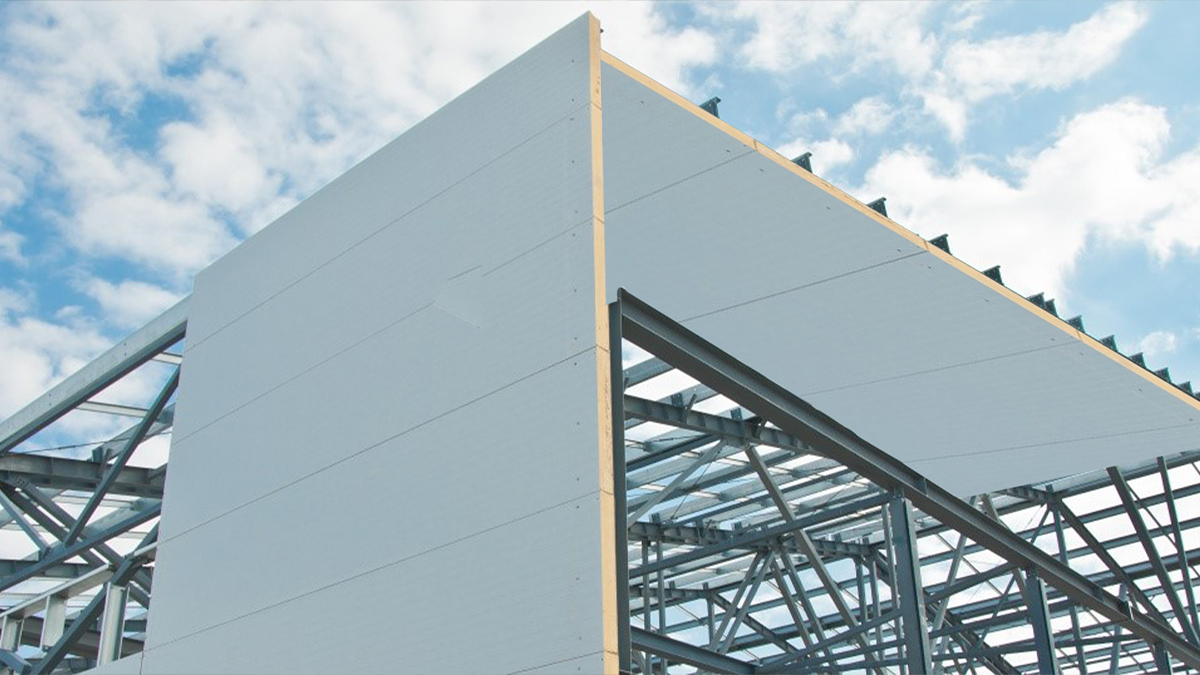
Roof Insulation Drives Plant Comfort and Electrical Load
In most Indian industrial buildings, the roof is the dominant heat gain surface. Ahmedabad facilities with uninsulated metal roofing frequently report high daytime radiant heat, worker discomfort, and excessive HVAC load. Selecting the right insulation system is therefore a core engineering decision, not a late-stage procurement adjustment.
Comparison should include thermal conductivity, fire strategy, acoustic behavior, structural weight, installation speed, and maintenance profile. A technically balanced choice often differs by building use and regulatory context.
Technical Comparison Table
| System | Thermal Conductivity | Weight | Typical Use Case |
|---|---|---|---|
| PUF sandwich roofing panel | ~0.022-0.026 W/mK | Low | General industry, warehouses, controlled sheds |
| Rockwool sandwich roofing panel | ~0.035-0.045 W/mK | Higher | Fire-priority environments |
| Bare metal sheet roof | No insulation function | Lowest | Temporary or non-conditioned structures |
Performance Trade-Offs in Real Projects
PUF roofing generally offers superior thermal efficiency per thickness and low dead load, making it common in Gujarat industrial parks. Rockwool options improve fire resistance profile but often require greater thickness and stronger handling controls. Bare metal systems have lowest capex but highest heat gain penalty and poor indoor comfort in hot months.
Where fire strategy is critical, hybrid zoning can be used: fire-priority sections with rockwool and general process zones with PUF. This approach requires careful interface planning to avoid thermal bridging and detailing mismatch.
Lifecycle and Energy Cost Perspective
| Cost Component | PUF Roof System | Non-Insulated Roof |
|---|---|---|
| Initial material cost | Moderate | Lower |
| Annual cooling demand | Lower | Significantly higher |
| Operator comfort and productivity impact | Better thermal stability | Frequent heat stress complaints |
Specification References for Indian Buyers
When preparing technical specifications, request declared lambda values, panel density ranges, coating details, and fastener guidelines. For reliable benchmarks, teams often consult https://phoenixxsmartbuild.com/products/sandwich-panels/roofing-puf-panel during design and tender drafting.
Frequently Asked Questions
Which roofing insulation has better thermal efficiency per thickness?
PUF typically provides better thermal efficiency per thickness than rockwool, based on lower conductivity values.
Is bare metal roofing suitable for hot industrial zones?
It is usually unsuitable for conditioned or worker-intensive environments in hot climates because heat gain and discomfort are high.
Can projects combine different roof insulation types?
Yes, hybrid zoning is possible, but interfaces must be engineered carefully to avoid performance and detailing issues.
What should buyers verify before finalizing roof panel suppliers?
Verify declared thermal properties, coating quality, panel density, joint details, and installation methodology support.
Related Resources
Explore related products, locations, case studies, and technical guides from PHOENIXX SMARTBUILD.