PUF Ceiling Panels for Commercial Buildings – Design, Cost & Installation
Explore PUF ceiling panel types (walkable & non-walkable), applications in offices, hospitals, and cleanrooms, installation techniques, cost per sq ft, and how they compare to gypsum and mineral fiber false ceilings.
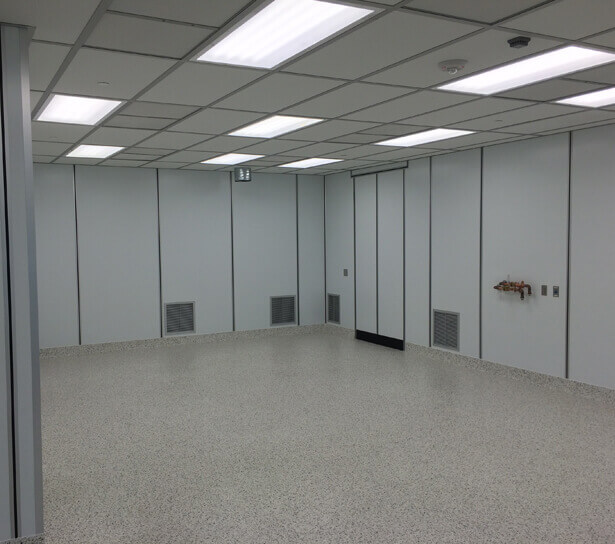
Why PUF Ceiling Panels Are Transforming Commercial Interiors
Commercial buildings across India are under increasing pressure to deliver energy efficiency, aesthetic appeal, and regulatory compliance simultaneously. Traditional false ceiling materials like gypsum boards and mineral fiber tiles have served the market for decades, but they fall short on thermal insulation and moisture resistance – two parameters that directly impact operating costs and occupant comfort.
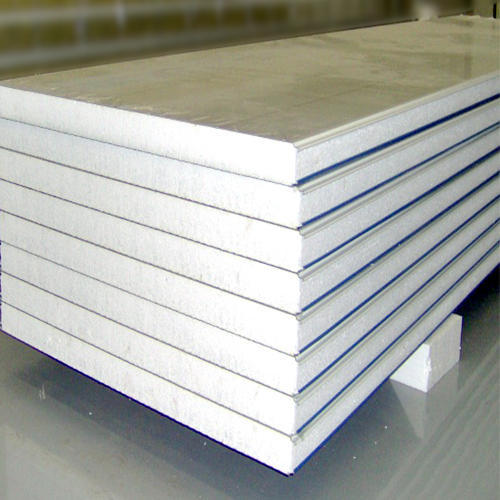
PUF (Polyurethane Foam) ceiling panels solve this gap by combining structural strength, superior insulation (k-value 0.022 W/mK), and a clean factory-finished surface in a single system. Whether you’re building a corporate office in Mumbai, a hospital in Ahmedabad, or a pharmaceutical cleanroom in Hyderabad, PUF ceiling panels offer measurable advantages over conventional alternatives.
In this guide, the engineering team at Phoenixx SmartBuild covers everything you need to know – from panel types and fire ratings to installed cost per square foot and real-world project applications.
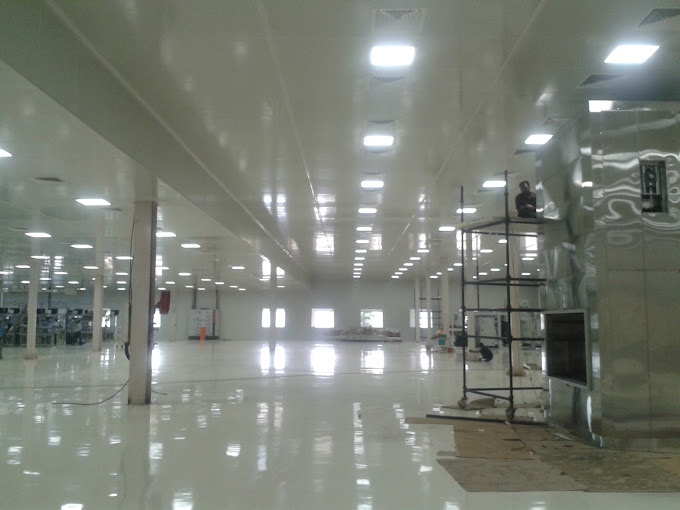
Types of PUF Ceiling Panels
PUF ceiling panels are broadly classified into two categories based on their structural capability and intended use:
1. Non-Walkable PUF Ceiling Panels
Non-walkable panels are lightweight systems designed purely as an insulated false ceiling layer. They are suspended from the roof structure using a grid of GI channels and hangers. Typical thicknesses range from 30 mm to 50 mm, and they are suitable for:
- Corporate offices and IT parks
- Retail showrooms and malls
- Hospital corridors and patient wards
- Educational institutions
Non-walkable panels from Phoenixx SmartBuild’s wall & ceiling panel range feature PPGI/PPGL facings with options in off-white, RAL 9002, and custom colours.
2. Walkable PUF Ceiling Panels
Walkable ceiling panels are engineered to support foot traffic for maintenance access above the false ceiling. They use a higher-density PUF core (42–45 kg/m³) with thicker metal facings (0.50–0.60 mm) and are supported on robust T-grid or concealed clip systems. Common thicknesses are 50 mm to 80 mm.
Walkable systems are specified for:
- Pharmaceutical cleanrooms (ISO Class 5–8)
- Food processing and FSSAI-compliant zones
- Data centres and server rooms
- Hospital operating theatres
For detailed specifications on walkable ceiling systems, contact our design team for project-specific recommendations.
Commercial Applications of PUF Ceiling Panels
Office Buildings & IT Parks
PUF ceiling panels reduce air-conditioning loads by 30–40% compared to bare RCC soffits with gypsum false ceilings. In a typical 50,000 sq ft office in Gujarat or Maharashtra, this translates to annual electricity savings of ₹ 6–8 lakh. The smooth, factory-finished surface also eliminates the need for on-site painting.
Hospitals & Healthcare
Healthcare environments demand hygienic, non-porous surfaces that resist bacterial growth and moisture. PUF ceiling panels with food-grade PPGI facings meet these requirements while also providing excellent thermal insulation for temperature-controlled wards, pharmacies, and laboratories.
Retail & Hospitality
Modern retail spaces benefit from the flat, seamless finish that PUF ceiling panels provide. Unlike mineral fiber tiles with visible grid lines, concealed-joint PUF panels offer a monolithic ceiling plane that enhances interior design aesthetics.
Cleanrooms & Controlled Environments
PUF ceiling panels are the backbone of cleanroom construction. Their closed-cell foam core prevents particle shedding, while flush-joint installation eliminates gaps where contaminants can accumulate. Phoenixx SmartBuild supplies panels with GMP-compliant finishes for pharmaceutical and electronics cleanrooms.
Installation Methods for PUF Ceiling Panels
Proper installation is critical to achieving the thermal and aesthetic performance that PUF ceiling panels are designed to deliver. The three primary methods used across Indian projects are:
1. Suspended Grid System
The most common method for non-walkable panels. GI main runners and cross-tees are suspended from the roof structure using threaded rods and ceiling anchors. Panels are laid into the grid from above. This method is ideal for offices, hospitals, and retail spaces where service access is needed.
2. Concealed Clip System
Used for walkable panels and cleanroom ceilings. Hidden clips lock each panel to the supporting framework, creating a flush surface with no visible fasteners. This system provides a clean, GMP-compliant finish and is structurally capable of supporting maintenance loads.
3. Direct Fix / Adhesive Bonding
In low-headroom situations or renovation projects, thinner PUF panels (30 mm) can be fixed directly to the existing RCC soffit using structural adhesive and mechanical anchors. This method saves headroom but limits future maintenance access.
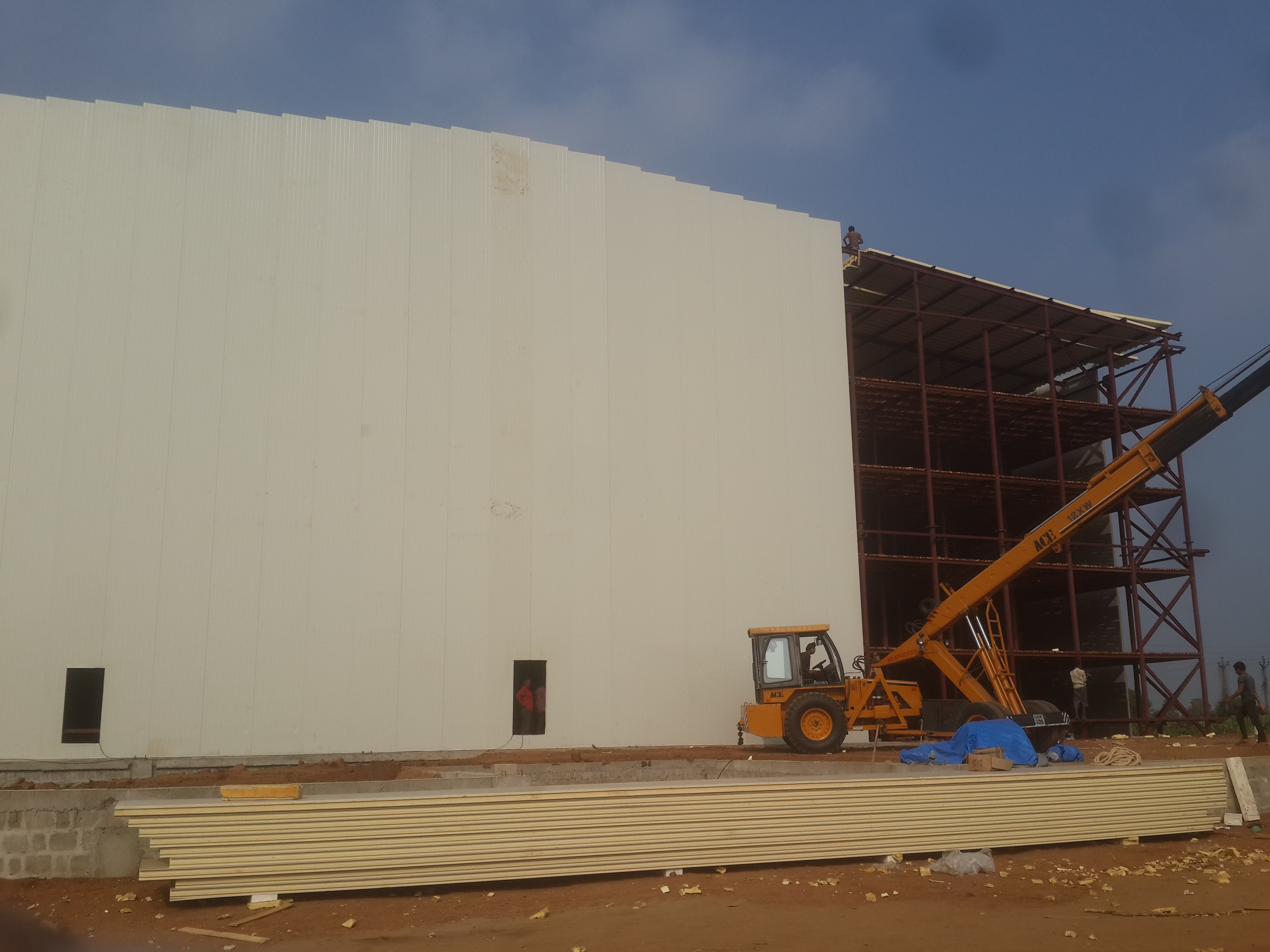
Cost of PUF Ceiling Panels – 2026 Pricing Guide
The installed cost of PUF ceiling panels depends on panel thickness, facing material, project size, and installation complexity. Here is a representative pricing table for 2026:
| Panel Type | Thickness | Facing | Material Cost (₹/sq ft) | Installed Cost (₹/sq ft) |
|---|---|---|---|---|
| Non-Walkable Standard | 30 mm | PPGI both sides | ₹ 95 – ₹ 120 | ₹ 130 – ₹ 160 |
| Non-Walkable Insulated | 50 mm | PPGI both sides | ₹ 130 – ₹ 165 | ₹ 170 – ₹ 210 |
| Walkable Standard | 50 mm | PPGI / Stainless Steel | ₹ 165 – ₹ 220 | ₹ 220 – ₹ 290 |
| Walkable Cleanroom | 80 mm | PPGI / GMP-grade SS | ₹ 240 – ₹ 330 | ₹ 310 – ₹ 420 |
Prices are indicative and vary based on order quantity, location, and customisation. For factory-direct pricing, get a ceiling panel quote from Phoenixx SmartBuild.
PUF Ceiling Panels vs Gypsum vs Mineral Fiber – Comparison
Choosing the right ceiling material requires evaluating multiple performance parameters. Here’s how PUF panels stack up against the two most common alternatives:
| Parameter | PUF Ceiling Panel | Gypsum Board | Mineral Fiber Tile |
|---|---|---|---|
| Thermal Insulation (k-value) | 0.022 W/mK (excellent) | 0.17 W/mK (poor) | 0.042 W/mK (moderate) |
| Moisture Resistance | Excellent (closed-cell foam) | Poor (sags when wet) | Moderate (stains easily) |
| Fire Rating | B2 / B1 with FR grade | Non-combustible | Non-combustible |
| Acoustic Performance (NRC) | 0.25–0.40 | 0.15–0.25 | 0.50–0.70 |
| Walkable Capability | Yes (50–80 mm) | No | No |
| Cleanroom Suitability | Excellent | Poor (dust generation) | Moderate |
| Lifespan | 25–30 years | 10–15 years | 8–12 years |
| Installed Cost (₹/sq ft) | ₹ 130 – ₹ 420 | ₹ 65 – ₹ 110 | ₹ 55 – ₹ 95 |
While gypsum and mineral fiber tiles have a lower upfront cost, PUF ceiling panels deliver superior lifecycle value through energy savings, reduced maintenance, and a longer replacement cycle. For healthcare, cleanroom, and cold-chain applications, PUF panels are the only viable choice among these three.
Acoustic Benefits of PUF Ceiling Panels
PUF ceiling panels contribute to acoustic comfort in two ways. First, their mass-spring-mass construction (metal–foam–metal) provides effective sound transmission loss, reducing noise transfer between floors. Second, when installed with an air cavity above the panel, the system achieves an NRC (Noise Reduction Coefficient) of 0.30–0.40, which is adequate for most commercial interiors.
For spaces requiring higher acoustic absorption – such as conference rooms, auditoriums, and call centres – Phoenixx SmartBuild offers composite panels with perforated facings and acoustic fleece that achieve NRC values up to 0.65.
Fire Rating & Safety Compliance
PUF ceiling panels from Phoenixx SmartBuild are available in fire-retardant (FR) grades that meet NBC 2016 fire safety norms and international standards including EN 13501-1. Key fire performance characteristics include:
- B2 classification: Standard FR-grade PUF core
- B1 classification: Enhanced FR formulation for high-risk environments
- FM-approved options: Available through our FM-approved panel range for insurance-sensitive projects
All Phoenixx ceiling panels undergo rigorous in-house fire testing, and certificates are provided with every consignment.
Why Choose Phoenixx SmartBuild for Ceiling Panels?
- Manufacturing facility in Beawar, Rajasthan with 1,00,000+ sq ft annual capacity
- Ready stock available for standard sizes (1000 mm effective cover width)
- Custom lengths up to 12 metres – reducing on-site joints
- In-house design support for grid layout and load calculations
- Pan-India delivery with dedicated fleet to Gujarat, Maharashtra, Rajasthan, and MP
Ready stock available. Get quote in 24 hours. Contact Phoenixx SmartBuild today for factory-direct pricing on PUF ceiling panels for your commercial project. Get ceiling panel quote →
Frequently Asked Questions
What is the cost of PUF ceiling panels per sq ft in India?
PUF ceiling panels cost between ₹ 95 and ₹ 330 per sq ft for material, depending on thickness (30–80 mm), facing type, and walkable vs non-walkable configuration. Installed costs including grid framework, hangers, and labour range from ₹ 130 to ₹ 420 per sq ft. For exact project pricing, request a free quote from Phoenixx SmartBuild.
Are PUF ceiling panels fire-safe for commercial buildings?
Yes. Phoenixx SmartBuild manufactures PUF ceiling panels in fire-retardant grades (B2 and B1 classification per EN 13501-1) that meet NBC 2016 fire safety norms. For projects requiring FM Global compliance, FM-approved PIR-core panels are also available.
Can PUF ceiling panels be used in hospitals and cleanrooms?
Absolutely. PUF ceiling panels are widely specified for hospital wards, operating theatres, pharmaceutical cleanrooms (ISO 5–8), and food processing zones. Their closed-cell foam core prevents particle shedding, and flush-joint installation creates a hygienic, easy-to-clean surface.
How long do PUF ceiling panels last?
PUF ceiling panels have a service life of 25–30 years under normal commercial conditions. The closed-cell PUF core does not absorb moisture or degrade over time, and the pre-coated metal facings resist corrosion. This is significantly longer than gypsum boards (10–15 years) or mineral fiber tiles (8–12 years).
What is the difference between walkable and non-walkable PUF ceiling panels?
Non-walkable PUF ceiling panels (30–50 mm) are lightweight, suspended false ceiling systems designed purely for insulation and aesthetics. Walkable panels (50–80 mm) use higher-density PUF core and thicker metal facings to support foot traffic for maintenance access. Walkable panels are essential for cleanrooms, data centres, and any space where services above the ceiling require regular inspection.
Related Resources
Explore related products, locations, case studies, and technical guides from PHOENIXX SMARTBUILD.