Sandwich Panel Installation Best Practices for Industrial Projects
A practical site execution standard for sandwich panel installation with focus on quality control, weatherproofing and long-term envelope reliability.
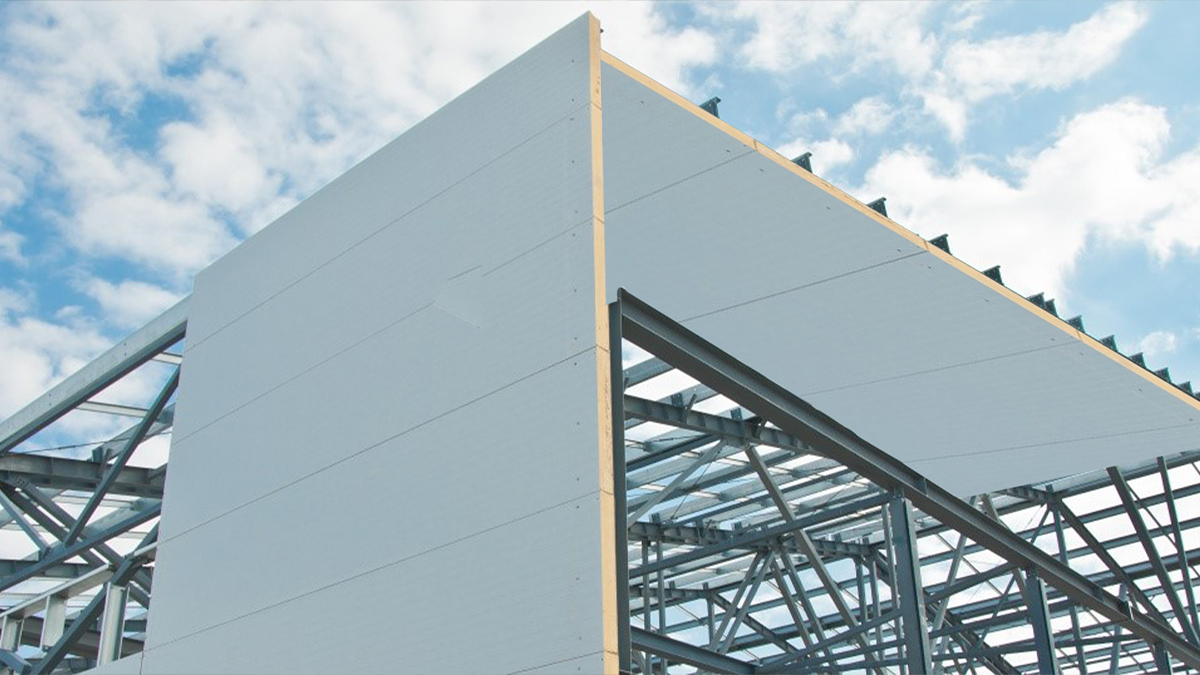
Installation Quality Defines Lifecycle Performance
Even premium panels fail early when installed without sequence control and inspection discipline. Most leak, corrosion, and thermal bridge complaints trace to avoidable site errors: misaligned base channels, over-driven screws, incomplete sealant runs, and uncontrolled service penetrations. In fast-track industrial projects around Ahmedabad, installation crews often work under compressed timelines, making structured QA even more important.
Installation must be planned as an engineered process. Start with setting-out verification, then progress through panel lifting, fixing, sealing, flashing, and closure checks. Create hold points after each stage before moving to next elevation.
Execution Control Matrix
| Stage | Critical Control | Typical Failure if Missed |
|---|---|---|
| Base alignment | Laser check for straightness and level | Joint gaps and panel stress |
| Panel fixing | Torque-controlled screw driving | Washer damage and water ingress |
| Joint sealing | Continuous bead, no skip zones | Hidden air and moisture leaks |
| Flashing completion | Correct overlap and end closure | Wind-driven rain entry |
Best Practices for Roofing and Wall Zones
Roof panels should be installed from dominant wind-side planning logic, with overlap orientation preventing rain pushback. Maintain clean contact surfaces before fixing. For walls, avoid forced fit at corners; adjust framing tolerance instead of distorting panel geometry. Use approved lifting clamps and avoid dragging skins on steel purlins to prevent coating damage.
In Gujarat monsoon conditions, never leave partially sealed laps overnight. Temporary weatherproofing must be mandatory in shift handovers. Re-check all ridge and gutter interfaces after first rain event and close punch-list items immediately.
Tooling and Material Discipline
- Use calibrated drivers for consistent fastener seating.
- Store sealants in controlled conditions and monitor expiry.
- Deburr cut edges and apply approved touch-up system promptly.
- Separate stainless and carbon steel tools in corrosion-sensitive sites.
Comparison: Controlled vs Uncontrolled Installation
| Parameter | Controlled Installation | Uncontrolled Installation |
|---|---|---|
| Leak incidence first monsoon | Low | High |
| Rework cost | Minimal | Significant and recurring |
| Thermal continuity | Consistent | Variable with hot spots |
Reference Specifications and Project Support
Coordinate panel installation with manufacturer guidelines and approved method statements. Teams can align product details and solution interfaces through https://phoenixxsmartbuild.com/solutions/industrial-infrastructure and related technical pages before site mobilization.
Frequently Asked Questions
What is the biggest installation mistake in sandwich panel projects?
Incomplete joint sealing and incorrect screw torque are the most frequent causes of early envelope leakage and rework.
Should panels be installed during active rain windows?
Avoid open-lap installation during rain. If unavoidable, use temporary weatherproofing and complete permanent sealing before handover.
How is panel alignment verified on site?
Use laser level and string-line checks at base channels and every elevation start point before fixing large panel runs.
Why are ridge and gutter zones high-risk?
These zones combine water concentration, movement interfaces, and multiple flashings, so minor detailing errors create disproportionate leak risk.
Related Resources
Explore related products, locations, case studies, and technical guides from PHOENIXX SMARTBUILD.