Lifespan of PUF Panels – How Long Do They Last?
PUF panels can last 25–30 years with proper installation and maintenance. Discover durability factors, real-world case studies, and maintenance tips for maximum panel lifespan.
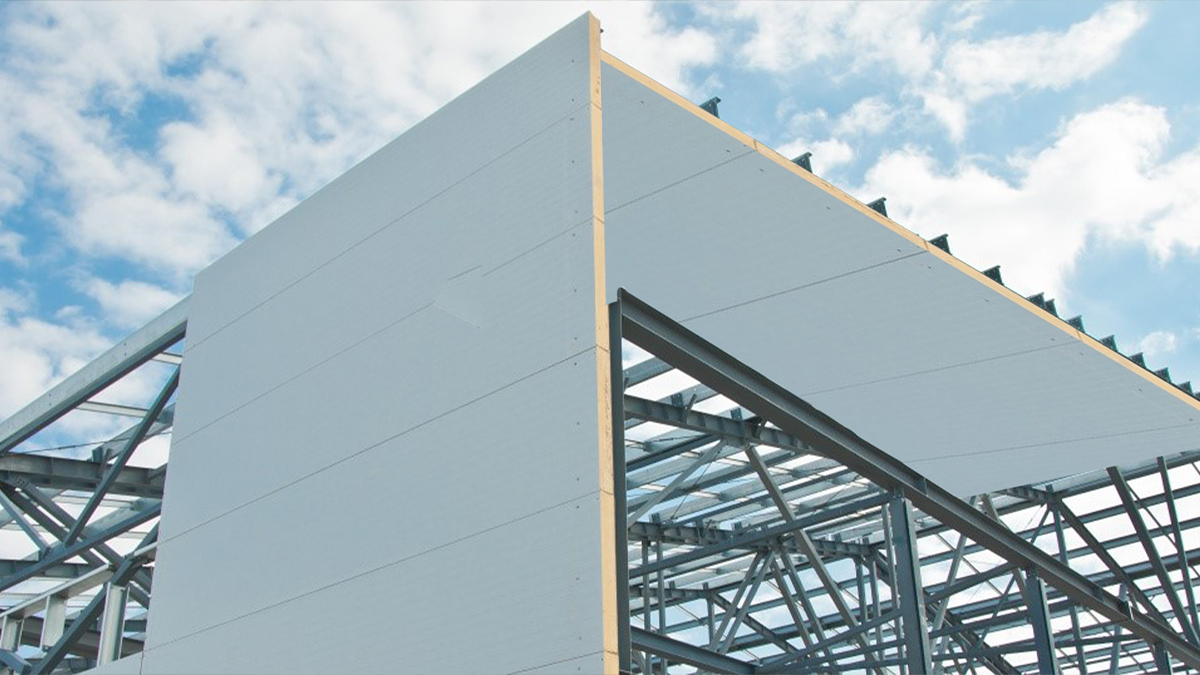
Lifespan of PUF Panels – How Long Do They Really Last?
One of the most common questions buyers ask before investing in insulated construction is: how long do PUF panels last? Whether you’re building a warehouse in Ahmedabad, a cold storage facility in Gujarat, or a factory anywhere in India, the lifespan of PUF panels is a critical factor in your return-on-investment calculation.
The short answer: a well-manufactured PUF (Polyurethane Foam) sandwich panel, correctly installed and reasonably maintained, will deliver 25 to 30+ years of reliable service. Some installations across India have crossed the 35-year mark with only minor cosmetic wear. In this comprehensive guide, we break down everything that determines PUF panel durability, compare it to alternative construction materials, and share actionable maintenance tips to extend panel life.
Average Lifespan of PUF Panels by Application
The expected service life of a PUF panel varies depending on its application, exposure conditions, and panel specification. Here is a realistic overview based on industry data and on-site observations across Gujarat and India:
| Application | Expected Lifespan | Key Factor |
|---|---|---|
| Warehouse / Factory Wall Cladding | 25–30 years | UV exposure, coating quality |
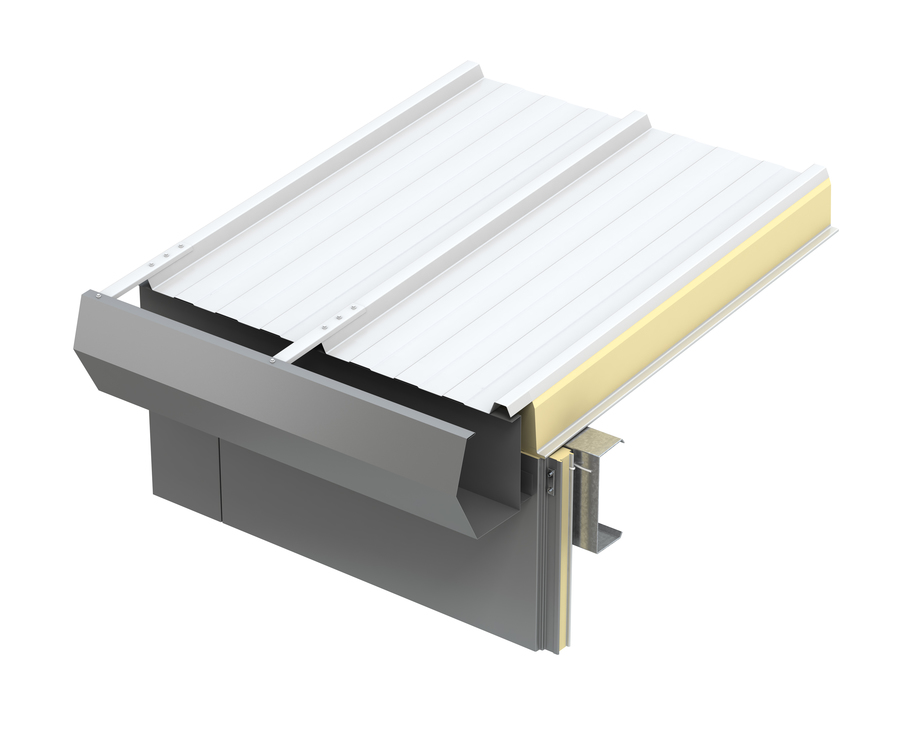
| Roofing Panels | 20–28 years | Direct sunlight, rain, thermal cycling |
| Cold Storage Rooms | 28–35 years | Stable indoor temperature, no UV |
| Cleanroom Partitions | 25–30 years | Controlled environment, minimal stress |
| Office Cabin / Mezzanine | 25–30 years | Indoor use, low mechanical impact |
Panels used in cold storage and cleanroom applications often last the longest because they operate in controlled environments free from UV radiation and severe thermal cycling. Roofing panels, exposed to Gujarat’s intense summer heat (45°C+), experience the most thermal stress – yet still comfortably exceed 20 years when the right coating is specified.
Factors Affecting PUF Panel Durability
Understanding the factors that influence how long PUF panels last helps you make better purchasing and installation decisions. Here are the six most important variables:
1. UV Exposure and Weather Resistance
Prolonged ultraviolet exposure degrades the outer metal coating over time. In cities like Ahmedabad, Vadodara, and Rajkot, where summers are harsh, specifying a high-SRI (Solar Reflectance Index) PPGL coating or a UV-stabilised polyester paint system adds 5–10 years to panel life. Phoenixx SmartBuild uses premium AZ-150 Galvalume steel that resists UV degradation far better than standard PPGI.
2. Moisture and Humidity
PUF’s closed-cell structure makes it inherently moisture-resistant. However, if joints are improperly sealed or flashing details are neglected, water can penetrate the metal skin at edges. Over years, trapped moisture causes corrosion from the inside out. Proper installation with silicone sealant at every joint prevents this entirely.
3. Installation Quality
Arguably the single biggest determinant of panel lifespan. Poorly aligned panels, over-tightened fasteners that crack the steel face, and missing gaskets at joints can halve the expected service life. Always choose a manufacturer like Phoenixx SmartBuild PUF sandwich panels that provides certified installation guidance or on-site supervision.
4. Core Density and Foam Quality
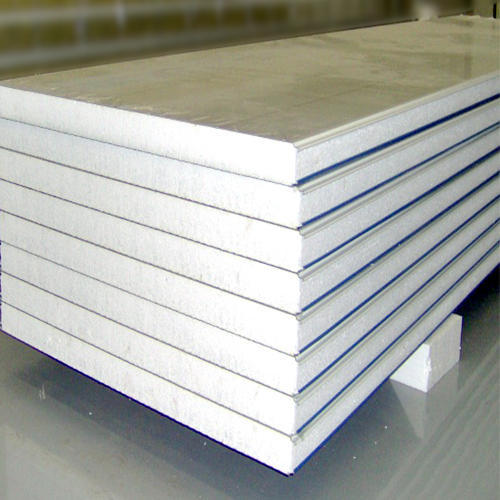
Higher-density PUF cores (40–45 kg/m³) maintain their insulation value and structural integrity significantly longer than low-density alternatives (32–35 kg/m³). The chemical formulation also matters – CFC-free, HCFC-free blowing agents used by modern manufacturers like Phoenixx SmartBuild produce a more stable, long-lasting closed-cell matrix.
5. Metal Sheet Thickness and Coating
Thicker steel facings (0.50 mm vs 0.35 mm) resist denting and corrosion longer. The coating system – whether PPGI, PPGL, or stainless steel – directly determines corrosion resistance. In coastal or high-humidity areas of Gujarat (Vapi, Bharuch), a PPGL or aluminium-zinc alloy sheet is recommended for maximum durability.
6. Maintenance and Cleaning
Annual cleaning to remove dust, chemical residue, and biological growth (moss/algae in monsoon regions) preserves the protective coating and prevents micro-corrosion. We cover maintenance best practices in detail below.
PUF Panel vs Brick vs Metal Sheet – Lifespan Comparison
How does the lifespan of PUF panels stack up against traditional construction? Here’s a head-to-head comparison:
| Parameter | PUF Sandwich Panel | Brick + Plaster Wall | Metal Sheet (GI/Colour-coated) |
|---|---|---|---|
| Expected Lifespan | 25–30 years | 40–60 years | 10–18 years |
| Insulation Retention | 95%+ after 20 yrs | N/A (no insulation) | N/A |
| Maintenance Frequency | Annual cleaning | Repainting every 3–5 yrs | Repainting every 2–3 yrs |
| Rust / Corrosion Risk | Low (sealed system) | Efflorescence / dampness | High (exposed fasteners) |
| Structural Load on Foundation | Very low (8–12 kg/m²) | Heavy (200+ kg/m²) | Low (5–7 kg/m²) but no insulation |
| Total Cost Over 25 Years | Lowest (incl. energy savings) | Higher (energy + maintenance) | Highest (replacements + energy) |
While brick walls have a longer raw lifespan, they offer zero thermal insulation and require repeated maintenance (repainting, waterproofing, crack repair). When you factor in energy savings from PUF’s excellent insulation (R-value 6–8 per 100 mm), PUF panels deliver the lowest total cost of ownership over a 25-year horizon. Learn more in our complete guide to PUF panels.
Real-World Case Studies
Case Study 1: Pharmaceutical Warehouse, Ahmedabad (2004 – Present)
A 15,000 sq ft pharmaceutical warehouse in Vatva GIDC, Ahmedabad, was clad with 80 mm PUF panels in 2004. After 22 years, the panels still maintain over 90% of their original insulation value. The only intervention: an annual pressure-wash and re-sealing of two edge joints in 2018. Total maintenance cost over 22 years: under ₹45,000.
Case Study 2: Cold Storage Facility, Mehsana (2008 – Present)
A potato cold storage in Mehsana, Gujarat, uses 120 mm PUF panels for walls and ceiling. After 18 years of continuous operation at −2°C, temperature audits show less than 3% degradation in thermal performance. The operator has never replaced a single panel.
Case Study 3: Factory Roofing, Sanand GIDC (2012 – Present)
An auto-component factory near Sanand, Ahmedabad, installed PUF roofing panels in 2012. Despite Gujarat’s extreme 47°C summers, the roof panels show only minor colour fading after 14 years, with no leaks, no delamination, and consistent indoor temperature performance. The client credits proper installation supervision and the use of PPGL-coated panels.
Maintenance Tips to Maximise PUF Panel Lifespan
Follow these proven maintenance practices to push your PUF panel durability well beyond 25 years:
- Annual Cleaning: Wash panel surfaces with mild detergent and water at least once a year. In industrial areas of Ahmedabad or Surat, clean every 6 months to remove chemical dust.
- Joint Inspection: Check all joints, flashings, and sealant lines every monsoon season. Re-seal any gaps with polyurethane or silicone sealant immediately.
- Fastener Check: Inspect self-drilling screws on roofing panels annually. Replace any with worn-out EPDM washers to prevent water ingress.
- Avoid Impact Damage: Use protective bollards near forklift pathways in warehouses. Mechanical dents in the steel face expose the core to moisture.
- Gutter Maintenance: Keep roof gutters clear so water doesn’t pool at panel edges. Stagnant water accelerates edge corrosion.
- Touch-Up Scratches: Any deep scratches exposing bare metal should be touched up with zinc-rich primer within a week to prevent rust creep.
When Should You Replace PUF Panels?
Even with excellent maintenance, PUF panels will eventually need replacement. Watch for these signs:
- Visible delamination: The metal face separating from the PUF core indicates adhesive failure.
- Persistent leaks at joints: If re-sealing no longer solves the issue, the panel profile may have warped.
- Energy bill increase: A 15–20% rise in cooling/heating costs suggests core insulation degradation.
- Widespread corrosion: If more than 20% of the panel area shows rust, replacement is more economical than repair.
When replacement time comes, Phoenixx SmartBuild offers ready stock across all thicknesses with same-week dispatch from our Ahmedabad factory. Get a quote for replacement panels today.
Why Choose Phoenixx SmartBuild for Long-Lasting PUF Panels?
At Phoenixx SmartBuild, every panel is engineered for maximum longevity:
- Premium 40–45 kg/m³ density PUF core for lasting insulation performance
- AZ-150 Galvalume and PPGL coatings that resist Gujarat’s harsh UV and monsoon climate
- CNC-precision profiling for tight-tolerance joints that stay sealed for decades
- ISO 9001:2015 certified manufacturing process
- Factory direct pricing – no middlemen, no markup
✅ Ready stock available – All thicknesses from 30 mm to 200 mm
Get quote in 24 hours | Factory direct pricing from Ahmedabad
Frequently Asked Questions
What is the average lifespan of PUF panels?
The average lifespan of PUF panels is 25 to 30 years for wall cladding and 20–28 years for roofing. Cold storage panels in controlled environments can exceed 30–35 years with minimal maintenance.
Do PUF panels degrade in hot climates like Gujarat?
The PUF core itself does not degrade in heat since it is enclosed within metal facings. The outer coating may fade or chalk over time under intense UV exposure, but this is cosmetic. Using PPGL or high-SRI coatings significantly reduces UV-related degradation, even in Gujarat’s 47°C summers.
How can I extend the life of my PUF panels?
Annual cleaning, monsoon joint inspections, timely touch-up of scratches, and keeping gutters clear are the four most impactful steps. These simple practices can add 5–10 years to panel life at negligible cost.
Are PUF panels more durable than metal roofing sheets?
Yes. Standard GI or colour-coated metal roofing sheets last 10–18 years, whereas PUF sandwich panels last 20–30 years. The sandwich construction protects the inner metal face from corrosion, and the PUF core adds structural rigidity that reduces fatigue from wind loads.
What thickness of PUF panel lasts the longest?
Thicker panels (80–120 mm) tend to last longer because they have more core material buffering the inner and outer steel faces from thermal stress. For maximum longevity, specify a minimum 0.50 mm steel face thickness along with higher core density (40+ kg/m³).
Frequently Asked Questions
What is the average lifespan of PUF panels?
The average lifespan of PUF panels is 25 to 30 years for wall cladding and 20–28 years for roofing. Cold storage panels in controlled environments can exceed 30–35 years with minimal maintenance.
Do PUF panels degrade in hot climates like Gujarat?
The PUF core itself does not degrade in heat since it is enclosed within metal facings. The outer coating may fade under intense UV, but using PPGL or high-SRI coatings significantly reduces UV-related degradation, even in Gujarat’s 47°C summers.
How can I extend the life of my PUF panels?
Annual cleaning, monsoon joint inspections, timely touch-up of scratches, and keeping gutters clear can add 5–10 years to panel life at negligible cost.
Are PUF panels more durable than metal roofing sheets?
Yes. Standard GI or colour-coated metal roofing sheets last 10–18 years, whereas PUF sandwich panels last 20–30 years thanks to the protected sandwich construction and added structural rigidity.
What thickness of PUF panel lasts the longest?
Thicker panels (80–120 mm) tend to last longer because they have more core material buffering the steel faces from thermal stress. Specify a minimum 0.50 mm steel face with 40+ kg/m³ core density for maximum longevity.
Related Resources
Explore related products, locations, case studies, and technical guides from PHOENIXX SMARTBUILD.