PUF Panel Installation Contractors: How to Choose the Right Team
Choosing the right installation contractor is as important as choosing quality panels. This guide helps you find and evaluate qualified teams.
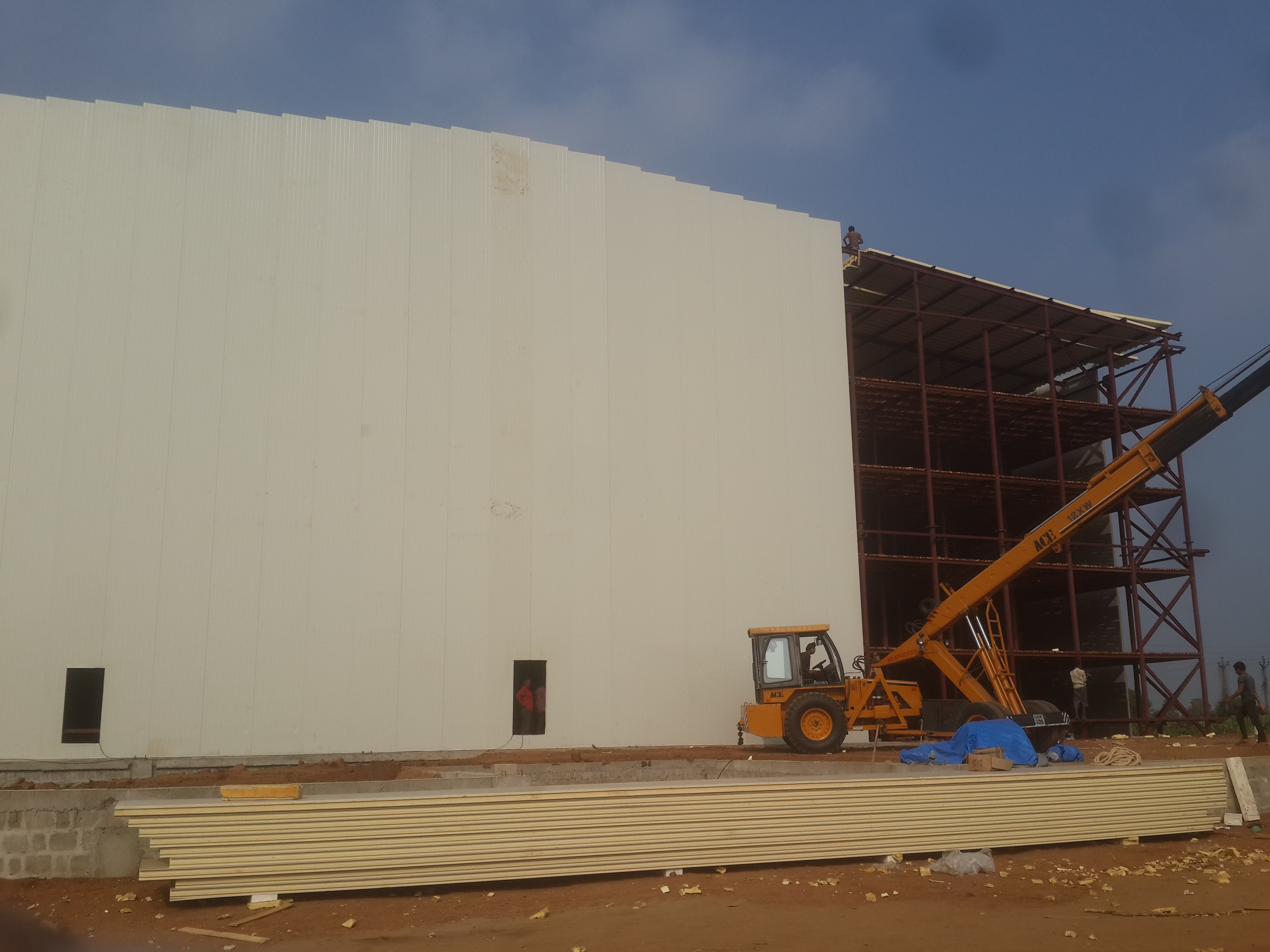
Why Contractor Selection Matters
I've seen this scenario more times than I can count: a client invests lakhs in premium PUF panels, then hands installation to the lowest bidder. Six months later, they're dealing with water leakage, poor insulation, and panels that need replacement.
The truth is, even the best panels will fail if installed incorrectly. A skilled contractor transforms materials into a high-performance building envelope; an unskilled one creates expensive problems. Let me share what to look for.
Types of Installation Contractors
Manufacturer-Affiliated Teams
These contractors are trained and certified by panel manufacturers:
- Advantages: Product-specific training, warranty support, technical backup
- Considerations: May cost slightly more, availability varies by location
- Best for: Critical applications like cold storage and cleanrooms
PHOENIXX maintains a network of trained installation partners across India for exactly this reason.
Specialized Panel Contractors
Independent contractors who focus exclusively on insulated panels:
- Advantages: Deep experience, competitive pricing, flexibility
- Considerations: Quality varies, verify credentials carefully
- Best for: Standard industrial applications with proper verification
General Construction Contractors
Traditional contractors who occasionally handle panel work:
- Advantages: May already be on-site, simpler coordination
- Considerations: Often lack specific panel expertise
- Best for: Only if they have demonstrable panel experience
Essential Qualifications to Verify
Experience and Track Record
- Minimum 3-5 years in panel installation
- Completed projects similar to yours (type and scale)
- Verifiable client references
- Portfolio with photographs
Technical Capabilities
- Understanding of thermal bridging and how to prevent it
- Knowledge of different joint systems
- Experience with installation accessories
- Ability to read and work from drawings
Safety and Compliance
- Worker safety training and equipment
- Insurance coverage (worker compensation, third-party liability)
- Proper scaffolding and lifting equipment
- Understanding of site safety protocols
Questions to Ask Potential Contractors
Before hiring, ask these revealing questions:
- "Can you show me three similar projects you've completed in the last year?"
- "What panel brands have you installed, and do you have manufacturer certifications?"
- "How do you handle thermal bridging at structural connections?"
- "What's your process for sealing penetrations and joints?"
- "Who will supervise the work, and what's their experience level?"
- "What warranty do you provide on workmanship?"
- "How do you handle weather-related delays?"
- "Can I speak with recent clients directly?"
Red Flags to Watch For
- No references: Unwillingness to provide client contacts
- Vague answers: Cannot explain technical processes clearly
- Extremely low quotes: Usually means cutting corners
- No written contract: Verbal agreements lead to disputes
- No safety equipment: Indicates unprofessional operation
- Subcontracting everything: No direct control over work quality
Contract Essentials
Ensure your contract includes:
- Detailed scope of work with specifications
- Timeline with milestones
- Payment schedule tied to progress
- Quality standards and acceptance criteria
- Warranty terms (typically 1-2 years on workmanship)
- Defect rectification obligations
- Insurance and liability provisions
PHOENIXX Installation Support
When you source panels from PHOENIXX, you get access to:
- Trained contractor network: Verified installers across India
- Direct installation service: Our teams for critical projects
- Technical supervision: Our engineers can oversee third-party installation
- Installation training: We can train your chosen contractor
- Combined warranty: Material + workmanship coverage
Conclusion
Investing time in contractor selection pays dividends throughout your building's life. A quality installation means no leaks, optimal thermal performance, and panels that last decades. Whether you're building a prefab house or an industrial facility, choose your installation team as carefully as you choose your panels.
Need contractor recommendations? Contact PHOENIXX—we'll connect you with trained installers in your area or discuss direct installation options.
Frequently Asked Questions
Should I use the same contractor for structure and panels?
Not necessarily. Panel installation requires specialized skills different from structural steel work. Many successful projects use separate contractors. If using one contractor, ensure they have specific panel experience or will engage a specialist sub-team.
What workmanship warranty should I expect?
Reputable contractors provide 1-2 years workmanship warranty covering installation defects. This is separate from the panel manufacturer's material warranty. Get both warranties in writing.
How do I verify contractor insurance?
Ask for copies of insurance certificates including worker compensation and third-party liability. Verify the policies are current and coverage amounts are adequate for your project size.
Related Resources
Explore related products, locations, case studies, and technical guides from PHOENIXX SMARTBUILD.