PUF Panel Houses in India: Complete Guide to Prefab Homes
PUF panel houses offer a faster, more affordable path to homeownership. This guide covers everything from benefits to construction process.
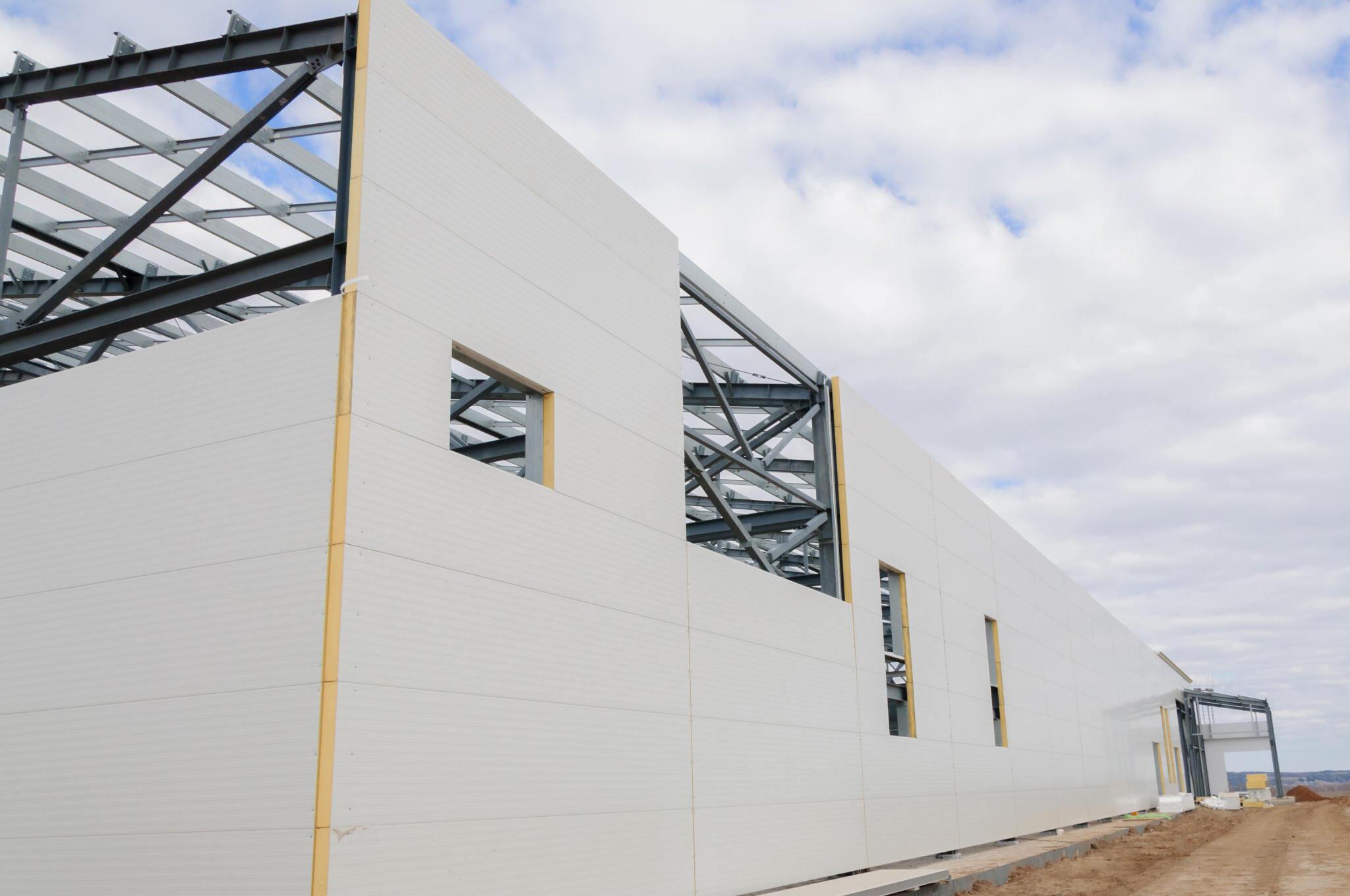
The Rise of Prefab Housing in India
Five years ago, when someone mentioned "prefab house" in India, images of temporary construction site offices came to mind. Today, that perception is changing rapidly. We're seeing architects, professionals, and families choosing PUF panel houses as permanent residences, and for good reasons.
Having built prefab structures for industrial clients since 2013, I've watched this technology mature. The same panels that keep cold storage at -25°C can keep your home comfortable at 25°C using a fraction of the energy. Let me share what makes this approach so compelling.
What Is a PUF Panel House?
A PUF panel house uses insulated sandwich panels as the primary building envelope instead of traditional brick and mortar:
- Walls: PUF wall panels attached to a light steel frame
- Roof: Insulated roof panels on steel trusses
- Foundation: Conventional RCC or modular foundation systems
- Interior: Finished as per preference—paint, texture, wallpaper
The result is a fully functional home that can be constructed in weeks rather than months.
Benefits of PUF Panel Houses
Speed of Construction
This is often the primary driver:
- Traditional construction: 8-12 months minimum
- PUF panel house: 6-10 weeks including foundation
- Time savings: Perfect for urgent requirements or rental income
Energy Efficiency
Superior insulation delivers tangible savings:
- 40-60% reduction in cooling/heating costs
- Panels with R-value of 2.5-3.5 per inch
- Airtight construction minimizes air infiltration
- Comfortable interiors even in extreme weather
Cost Advantages
While material costs may be similar, total project cost is often lower:
- Reduced labor requirements
- Shorter construction timeline
- Minimal material wastage
- Lower foundation requirements (lighter structure)
- Faster occupancy = earlier rental/usage income
Quality Consistency
- Factory-manufactured panels ensure uniform quality
- No dependence on mason skills for wall quality
- Precise dimensions and finishes
- Tested thermal and structural performance
Types of PUF Panel Houses
Farmhouse/Weekend Homes
Perhaps the most popular application:
- Remote locations where skilled labor is scarce
- Quick construction during non-monsoon windows
- Low maintenance when unoccupied
- Excellent termite and pest resistance
Urban Extensions
- Rooftop additions to existing buildings
- Guest houses in compound areas
- Home offices and studios
- Minimal structural load compared to concrete
Affordable Housing Projects
- Worker housing near factories
- Staff quarters for institutions
- Disaster relief housing
- Rental housing developments
Resort and Tourism
- Eco-resorts and nature stays
- Glamping accommodations
- Beach huts and hill cottages
- Quick setup for seasonal operations
Construction Process
Phase 1: Design and Planning (1-2 weeks)
- Architectural design and approvals
- Structural engineering for steel frame
- Panel layout and quantity estimation
- MEP (mechanical, electrical, plumbing) planning
Phase 2: Foundation (2-3 weeks)
- Site preparation and excavation
- RCC strip foundation or modular footings
- Plumbing rough-in before floor slab
- Floor slab with anchor bolts for steel
Phase 3: Steel Frame (1 week)
- Column and beam erection
- Roof truss installation
- Secondary members for panel support
- Quality checks and alignment
Phase 4: Panel Installation (1-2 weeks)
- Wall panel installation with proper accessories
- Roof panel installation
- Window and door installation
- Sealing and weatherproofing
Phase 5: Finishing (2-3 weeks)
- Electrical wiring and fixtures
- Plumbing fixtures and connections
- Interior finishing—paint, flooring, fixtures
- External finishing—landscaping, paving
Cost Considerations
Typical costs for a 1,000 sqft PUF panel house:
| Component | Approximate Cost |
|---|---|
| Foundation | ₹1.5-2.5 lakhs |
| Steel structure | ₹2.5-3.5 lakhs |
| PUF panels + installation | ₹4-6 lakhs |
| Doors and windows | ₹1-2 lakhs |
| Electrical | ₹0.8-1.5 lakhs |
| Plumbing | ₹0.6-1.2 lakhs |
| Interior finishing | ₹2-4 lakhs |
| Total (basic spec) | ₹12-18 lakhs |
| Per sqft | ₹1,200-1,800/sqft |
Premium specifications with better finishes: ₹1,800-2,500/sqft
PHOENIXX Prefab Solutions
While our primary focus is industrial applications, PHOENIXX provides:
- Panel supply: High-quality PUF panels for residential projects
- Technical guidance: Design support and specifications
- Installation support: Through our contractor network
- Complete solutions: Turnkey prefab structures for larger requirements
Conclusion
PUF panel houses represent a practical, efficient approach to construction that's finally gaining acceptance in India. Whether you're building a farmhouse, adding a guesthouse, or developing worker housing, this technology offers compelling advantages in speed, quality, and long-term efficiency. For detailed cost information, see our dedicated guide.
Considering a prefab home project? Contact PHOENIXX to discuss panel requirements and connect with experienced builders in your area.
Frequently Asked Questions
Are PUF panel houses safe for permanent residence?
Yes, properly designed and constructed PUF panel houses are safe for permanent living. The panels are fire-retardant (B2 rated), structurally supported by steel frames designed for applicable loads, and provide excellent insulation for comfort and energy efficiency.
How long do PUF panel houses last?
With proper construction and maintenance, PUF panel houses can last 25-30+ years. Key factors affecting longevity include foundation quality, steel protection from corrosion, proper sealing, and regular maintenance of external finishes.
Can PUF panel houses get bank loans?
This depends on local regulations and bank policies. In many areas, properly documented prefab structures on owned land with appropriate approvals can qualify for housing loans. Consult with local banks and ensure your project meets all regulatory requirements.
Are PUF panel houses suitable for hot climates?
Absolutely. The excellent insulation of PUF panels (R-value 2.5-3.5 per inch) significantly reduces heat transfer, keeping interiors cool with less AC. Many find PUF homes more comfortable than brick in hot climates due to superior thermal performance.
Related Resources
Explore related products, locations, case studies, and technical guides from PHOENIXX SMARTBUILD.