PUF Panel vs Glass Wool Insulation – Which Saves More Energy?
A comprehensive comparison of PUF sandwich panels and glass wool insulation, covering R-value, installation methods, moisture performance, longevity, and a 10-year cost-benefit analysis for industrial buildings in India.
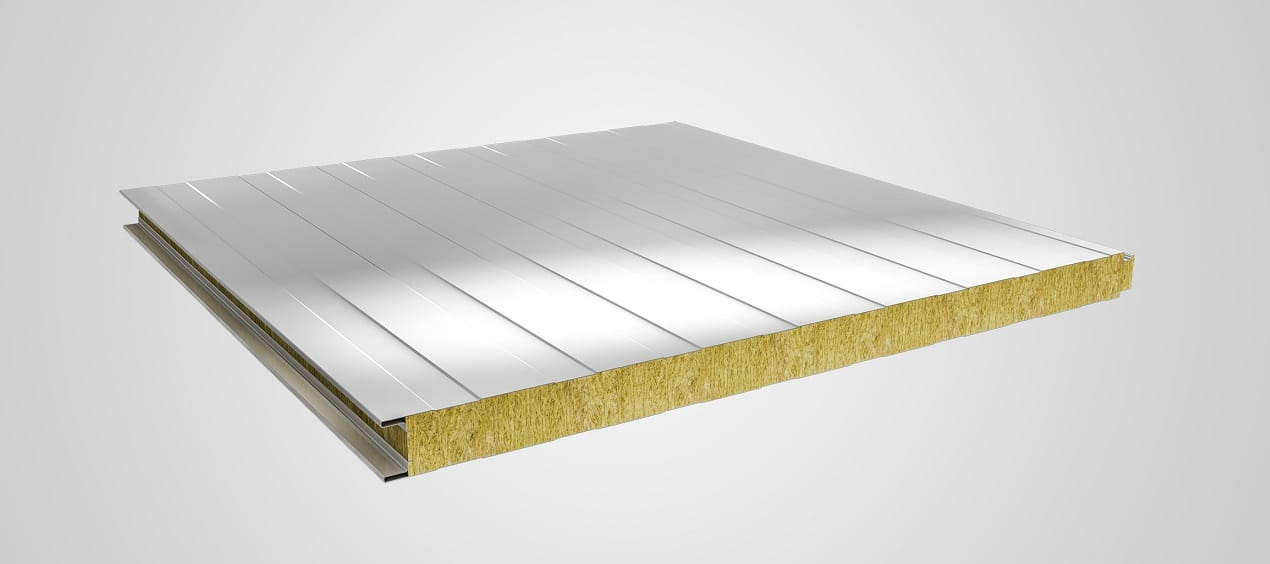
PUF Panel vs Glass Wool Insulation – Energy Efficiency Showdown
Industrial building owners in India face a critical insulation decision: should you use PUF (Polyurethane Foam) sandwich panels as your building envelope, or go with a conventional steel sheet cladding with glass wool insulation laid underneath? Both approaches provide thermal insulation, but they differ dramatically in performance, installation complexity, and long-term cost-effectiveness.
This guide provides a data-driven comparison to help you choose the insulation strategy that delivers maximum energy savings over your building’s lifetime.
Understanding the Two Approaches
PUF Sandwich Panel
A PUF sandwich panel is a factory-manufactured composite panel where rigid polyurethane foam is chemically bonded to two metal facings. The insulation is integral to the panel—there are no gaps, joints, or compression points. It serves simultaneously as structural cladding, weather barrier, vapour barrier, and thermal insulation.
Glass Wool Insulation
Glass wool is a fibrous insulation material made from molten glass spun into fine fibres. In industrial buildings, glass wool blankets or batts are typically installed between purlins/girts under a single-skin metal sheet. This is a two-component system: the metal sheet provides weather protection while the glass wool provides insulation.
Performance Comparison Table
| Parameter | PUF Sandwich Panel | Glass Wool + Metal Sheet |
|---|---|---|
| Thermal Conductivity | 0.022–0.024 W/mK | 0.035–0.044 W/mK |
| R-Value (50 mm) | 2.08–2.27 m²K/W | 1.14–1.43 m²K/W |
| Installation Method | Direct fix to steel frame | Lay glass wool + fix metal sheet |
| Air Tightness | Excellent (factory-sealed joints) | Poor (gaps at purlins and overlaps) |
| Moisture Resistance | Excellent (closed-cell foam) | Poor (absorbs moisture, sags over time) |
| Insulation Longevity | 25–30 years (no degradation) | 8–15 years (compresses, sags, gets wet) |
| Condensation Risk | Very Low | High (especially on roofs) |
| Fire Rating | B2 (with fire retardant) | A1 (non-combustible) |
| Installed Cost (roof, per sq ft) | ₹ 135–₹ 180 | ₹ 75–₹ 110 |
R-Value Comparison – The Insulation Metric That Matters
R-value measures a material’s resistance to heat flow. Higher R-value means better insulation. At 50 mm thickness:
- PUF panel R-value: 2.08–2.27 m²K/W
- Glass wool R-value: 1.14–1.43 m²K/W
PUF provides 60–80% higher insulation at the same thickness. But the real-world difference is even greater, because glass wool’s R-value degrades significantly over time due to moisture absorption, compression at purlin contact points, and sagging—issues that don’t affect rigid PUF panels.
Installation Quality and Air Tightness
The biggest practical advantage of PUF panels is installation quality consistency. Every panel is factory-manufactured to precise dimensions with uniform foam density. When installed with tongue-and-groove or cam-lock joints, PUF panels create a nearly airtight building envelope with no thermal bridges.
Glass wool installation, by contrast, depends heavily on workmanship. Common issues include:
- Gaps around purlins and girts where insulation is compressed or missing
- Loose-laid blankets that shift over time due to wind uplift and vibration
- Overlaps that are not properly sealed, creating air leakage paths
- Torn or damaged material during installation that goes unrepaired
Studies show that poorly installed glass wool can lose 30–50% of its theoretical insulation value due to these real-world issues.
Moisture and Condensation
In India’s humid climate, particularly during monsoon months and in coastal regions, condensation on building roofs and walls is a major concern. Glass wool is hygroscopic—it absorbs and retains moisture, which:
- Reduces its insulation value by up to 50% when wet
- Creates conditions for mould and fungal growth
- Causes the material to sag and compress, creating permanent gaps
- Can corrode the metal roofing sheet from underneath
PUF’s closed-cell structure is virtually impervious to moisture. Even in high-humidity environments, PUF panels maintain their insulation properties year after year.
10-Year Cost-Benefit Analysis
Let’s compare the total 10-year cost for insulating a 20,000 sq ft industrial roof in a hot Indian climate (Rajasthan, Gujarat, or Maharashtra) with air conditioning:
| Cost Component | PUF Panel (50 mm) | Glass Wool (50 mm) + Metal Sheet |
|---|---|---|
| Installed Material Cost | ₹ 30,00,000 | ₹ 18,00,000 |
| Annual Energy Cost (AC) | ₹ 6,00,000 | ₹ 8,50,000 |
| 10-Year Energy Cost | ₹ 60,00,000 | ₹ 85,00,000 |
| Maintenance/Replacement (10 yr) | ₹ 50,000 | ₹ 5,00,000 |
| Total 10-Year Cost | ₹ 90,50,000 | ₹ 1,08,00,000 |
| 10-Year Savings with PUF | ₹ 17,50,000 (16% lower total cost) | |
Despite a higher initial investment, PUF panels save approximately ₹17.5 lakhs over 10 years for a 20,000 sq ft roof—recovering the upfront premium within 4–5 years and delivering sustained savings thereafter. For detailed pricing information, visit our PUF panel price guide.
When to Choose Glass Wool
Glass wool insulation still has valid use cases:
- Non-air-conditioned industrial sheds where basic heat reduction is sufficient
- Projects with severe fire safety restrictions requiring A1 non-combustible insulation
- Acoustic applications where sound absorption is the primary goal
- Retrofit projects where adding sandwich panels to existing structures is not feasible
Choose PUF Panels for Maximum Energy Savings
For new construction of air-conditioned factories, cold storage, warehouses, and commercial buildings, PUF sandwich panels from Phoenixx SmartBuild deliver the best long-term energy savings. Our panels are manufactured with consistent 40 kg/m³ density foam, precision-cut joints, and durable PPGI/PPGL facings. Get a free quote and start saving on energy costs.
Frequently Asked Questions
Is PUF panel better than glass wool for insulation?
Yes, for most applications. PUF panels provide 60–80% higher R-value per inch compared to glass wool. Additionally, PUF maintains its insulation value over decades, while glass wool degrades due to moisture absorption, compression, and sagging, especially in India’s humid climate.
How much energy does PUF panel save compared to glass wool?
For an air-conditioned industrial building, PUF panels can reduce cooling energy costs by approximately 25–35% compared to glass wool insulation of the same thickness. For a 20,000 sq ft roof, this translates to savings of approximately ₹2–2.5 lakhs per year.
Does glass wool lose its insulation value over time?
Yes. Glass wool is prone to moisture absorption, compression at contact points, and sagging due to gravity and vibration. In Indian conditions, glass wool can lose 30–50% of its theoretical insulation value within 5–10 years. PUF panels, being rigid closed-cell foam, maintain consistent performance for 25–30 years.
Is glass wool cheaper than PUF panel?
Yes, the upfront installed cost of glass wool with a metal sheet (₹75–₹110 per sq ft) is approximately 40–50% lower than a PUF sandwich panel (₹135–₹180 per sq ft). However, the 10-year total cost of ownership, including energy costs, maintenance, and replacement—is significantly higher for glass wool.
When should I use glass wool instead of PUF panels?
Glass wool is preferable for non-air-conditioned sheds needing basic heat reduction, retrofit applications where sandwich panels are impractical, projects requiring A1 non-combustible insulation for fire codes, and acoustic applications requiring sound absorption in machinery rooms.
Related Resources
Explore related products, locations, case studies, and technical guides from PHOENIXX SMARTBUILD.