PUF Panel vs Rockwool Panel – Which One Should You Choose?
An in-depth comparison of PUF panels and Rockwool panels covering insulation value, fire resistance, moisture behaviour, weight, cost, and application-specific recommendations for Indian industrial projects.
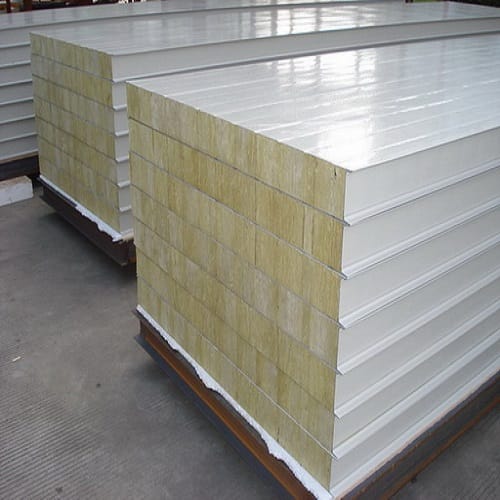
PUF Panel vs Rockwool Panel – Choosing the Right Insulated Panel
Selecting between PUF (Polyurethane Foam) panels and Rockwool (mineral wool) panels is one of the most common decisions builders and project managers face when specifying insulated sandwich panels for industrial and commercial buildings in India. Both panel types are manufactured by Phoenixx SmartBuild and serve distinct purposes based on project requirements.
This guide provides an unbiased, parameter-by-parameter comparison to help you select the optimal panel type for your specific application.
What Is a PUF Panel?
PUF panels feature a rigid closed-cell polyurethane foam core sandwiched between two metal facings (PPGI/PPGL steel or aluminium). They are known for their superior thermal insulation, lightweight nature, and cost-effectiveness. PUF panels are the most widely used insulated panels in India for roofing, cladding, cold storage, and prefabricated structures.
What Is a Rockwool Panel?
A Rockwool sandwich panel uses mineral wool (stone wool) as the core insulation material. The mineral wool is made by melting basalt rock at extremely high temperatures and spinning it into fibres. This gives Rockwool panels exceptional fire resistance and good acoustic insulation. They are preferred in projects where fireproofing is the top priority.
Head-to-Head Comparison – PUF Panel vs Rockwool Panel
| Parameter | PUF Panel | Rockwool Panel |
|---|---|---|
| Core Material | Polyurethane Foam | Mineral Wool (Basalt Fibre) |
| Thermal Conductivity | 0.022–0.024 W/mK | 0.035–0.040 W/mK |
| Fire Rating | B2/B3 (with retardant additives) | A1/A2 (non-combustible) |
| Density | 38–42 kg/m³ | 100–150 kg/m³ |
| Panel Weight (50 mm) | ~9–10 kg/m² | ~16–19 kg/m² |
| Acoustic Insulation | Moderate (25–30 dB reduction) | Excellent (35–45 dB reduction) |
| Moisture Resistance | Excellent (closed-cell structure) | Moderate (can absorb moisture if damaged) |
| Price (50 mm, per sq ft) | ₹ 135–₹ 160 | ₹ 155–₹ 200 |
| Temperature Withstanding | Up to +80°C | Up to +750°C |
| Environmental Rating | Good (ODP zero, recyclable) | Excellent (natural basalt, recyclable) |
Insulation Performance
PUF panels are the clear winner in thermal insulation. With a thermal conductivity nearly 40–45% lower than Rockwool, a 50 mm PUF panel provides equivalent insulation to an 80–90 mm Rockwool panel. This means:
- Thinner panels for the same insulation value, saving on material and structural steel costs
- Better energy efficiency for air-conditioned or refrigerated spaces
- Lower lifecycle energy costs, especially in hot Indian climates where cooling loads are high
For cold storage and refrigeration projects, PUF’s superior R-value per inch makes it the preferred choice. Rockwool’s insulation capability, while adequate for ambient temperature buildings, falls short in sub-zero applications.
Fire Resistance
Rockwool panels offer unmatched fire resistance. Mineral wool is naturally non-combustible and can withstand temperatures above 1,000°C without melting. Rockwool panels achieve an A1/A2 fire classification under EN 13501, making them the safest option for fire-critical applications.
PUF panels, while adequate for most industrial applications, are combustible and typically achieve a B2 or B3 fire rating. Fire-retardant additives improve performance, but PUF cannot match Rockwool in non-combustibility.
For buildings housing flammable materials, fire escape corridors, boundary walls near property lines, or any project where non-combustible materials are mandated by NBC 2016 or local fire departments, Rockwool panels are the correct specification.
Weight and Structural Impact
PUF panels are significantly lighter—roughly 40–50% lighter than equivalent Rockwool panels. This has practical implications:
- Reduced structural steel requirements in PEB buildings
- Easier handling and faster installation on site
- Lower transportation costs per square metre
- Better suitability for roofing applications where dead load matters
For roof cladding, PUF panels are generally preferred because Rockwool’s higher weight demands heavier purlins and trusses, increasing overall project cost.
Moisture and Humidity
PUF’s closed-cell structure makes it virtually impervious to moisture. Rockwool’s fibrous structure can absorb water if the panel’s metal facings are damaged, potentially reducing insulation performance over time. In coastal areas or high-humidity environments like Chennai, Mumbai, or Kolkata, this factor favours PUF panels for long-term durability.
Application-Wise Recommendations
Choose PUF Panels When:
- Cold storage, frozen food storage, or pharma cold chain facilities
- Roof cladding where low weight is critical
- Budget-sensitive projects with adequate fire safety provisions
- Coastal or high-humidity locations
- Projects requiring maximum insulation in minimum thickness
Choose Rockwool Panels When:
- Fire escape routes and fire-rated walls
- Buildings storing flammable chemicals or materials
- Acoustic enclosures for generators, compressor rooms, and factories
- Projects mandating A1/A2 non-combustible materials
- High-temperature process areas (furnace rooms, boiler rooms)
Get Expert Guidance from Phoenixx SmartBuild
Phoenixx SmartBuild manufactures both PUF panels and Rockwool panels in various thicknesses and configurations. Our engineering team helps you select the right panel based on your project’s insulation, fire safety, acoustic, and budget requirements. Get a free quote and let us help you build smarter.
Frequently Asked Questions
Is Rockwool panel better than PUF panel for insulation?
No. PUF panels have significantly better thermal insulation (0.022 W/mK) compared to Rockwool (0.035–0.040 W/mK). A 50 mm PUF panel provides insulation equivalent to an 80–90 mm Rockwool panel. PUF is the superior choice for thermal insulation.
Which panel is better for fire safety?
Rockwool panels are superior for fire safety. They are non-combustible (A1/A2 fire rating) and can withstand temperatures above 1,000°C. PUF panels are combustible and typically achieve B2/B3 ratings. For fire-critical applications, Rockwool is the clear choice.
Can Rockwool panels be used for cold storage?
While technically possible, Rockwool panels are not ideal for cold storage due to their lower insulation value and potential moisture absorption. PUF or PIR panels are strongly recommended for cold storage applications where thermal efficiency is paramount.
Are Rockwool panels heavier than PUF panels?
Yes, Rockwool panels are approximately 40–50% heavier than PUF panels of the same thickness. A 50 mm Rockwool panel weighs about 16–19 kg/m² compared to 9–10 kg/m² for PUF. This affects structural design and installation effort.
What is the price difference between PUF and Rockwool panels?
Rockwool panels cost approximately 15–30% more than PUF panels of the same thickness. For a 50 mm panel, PUF costs around ₹135–₹160 per sq ft while Rockwool costs ₹155–₹200 per sq ft. The total project cost difference is higher because Rockwool’s weight requires heavier structural support.
Related Resources
Explore related products, locations, case studies, and technical guides from PHOENIXX SMARTBUILD.