PUF Panels for Cold Storage – Insulation, Design & Construction Guide
Everything you need to know about using PUF panels for cold storage construction – from panel thickness selection by temperature range (−40°C to +15°C) to PUF vs PIR comparison, FSSAI compliance, and step-by-step construction guidance.
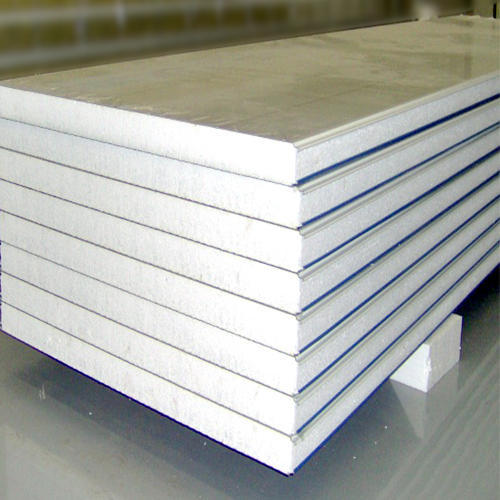
Why PUF Panels Are the Standard for Cold Storage Construction
Cold storage construction demands one thing above all else: reliable, consistent thermal insulation that maintains precise temperatures while minimising energy consumption. PUF (Polyurethane Foam) panels have become the industry standard for cold storage worldwide because they offer the lowest thermal conductivity (0.020–0.024 W/mK) of any commonly available insulation material.
In India, where the cold chain sector is expanding rapidly under government initiatives like the National Cold Chain Mission and Pradhan Mantri Kisan Sampada Yojana, the demand for high-quality cold storage PUF panels is at an all-time high. PHOENIXX SmartBuild has been at the forefront of this growth, supplying insulated panels for cold storage projects across Gujarat, Maharashtra, Rajasthan, and beyond.
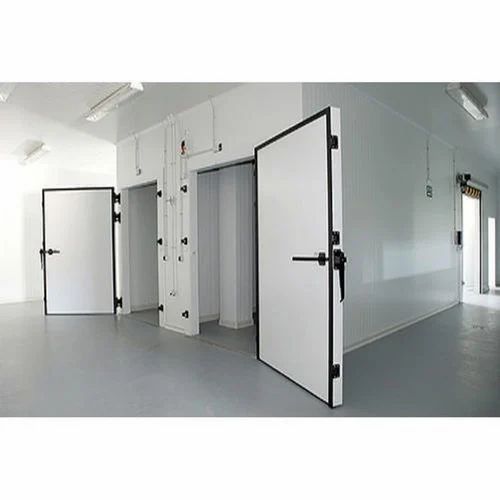
Temperature Ranges & Panel Thickness Guide
The required PUF panel thickness depends directly on the target storage temperature. Thicker panels provide higher insulation values (R-values), which are essential for maintaining low temperatures without excessive energy consumption. Here’s the recommended thickness guide:
| Application | Temperature Range | Recommended PUF Thickness | R-Value (m²K/W) |
|---|---|---|---|
| Ripening Chamber | +10°C to +15°C | 60–80mm | 2.73–3.64 |
| Chiller Room | +2°C to +8°C | 80–100mm | 3.64–4.55 |
| Cold Room | 0°C to +4°C | 100–120mm | 4.55–5.45 |
| Frozen Storage | −18°C to −22°C | 120–150mm | 5.45–6.82 |
| Deep Freeze | −25°C to −35°C | 150–180mm | 6.82–8.18 |
| Blast Freezer | −35°C to −40°C | 180–200mm | 8.18–9.09 |
Note: These are general recommendations. Actual thickness should be calculated based on ambient temperature, sun exposure, usage pattern, and door opening frequency. PHOENIXX SmartBuild’s engineering team provides project-specific thermal calculations. Get a cold storage quote with detailed specifications.
PUF vs PIR for Cold Storage – Which Should You Choose?
Both PUF and PIR (Polyisocyanurate) panels are used in cold storage construction. Here’s a detailed comparison to help you decide:
| Parameter | PUF Panel | PIR Panel |
|---|---|---|
| Thermal Conductivity | 0.022 W/mK | 0.021 W/mK |
| Fire Rating | B2 (self-extinguishing) | B1 / Bs1d0 (FM Approved) |
| Temperature Stability | Excellent up to −40°C | Excellent up to −40°C |
| Dimensional Stability | Good | Superior (less thermal expansion) |
| Cost | Standard | 15–25% premium |
| Insurance Benefit | Standard | Lower premiums (FM Approved) |
| Best For | Standard cold rooms, chiller rooms, ripening chambers | Frozen/deep freeze, high-value goods, insurance-sensitive facilities |
Our recommendation: For chiller rooms and standard cold rooms (+2°C to +15°C), PUF panels offer the best value. For frozen storage (−18°C and below), deep freeze, and facilities storing high-value goods, PIR panels are worth the premium for their superior fire performance and potential insurance savings.
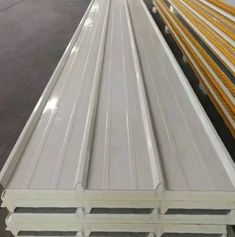
Cold Storage Construction Process Using PUF Panels
Building a cold storage facility with PUF panels follows a systematic process:
Step 1: Foundation & Floor Insulation
A level concrete floor is prepared with a vapour barrier and floor insulation (typically extruded polystyrene or PUF boards) to prevent ground heat from entering the cold room. For frozen storage, floor heating elements may be installed to prevent frost heave.
Step 2: Wall Panel Installation
Cold storage wall panels are assembled using cam-lock or tongue-and-groove joints for airtight connections. Panels are installed vertically, starting from a corner, with each panel locked to the previous one. Internal and external corner flashings seal the joints.
Step 3: Ceiling Panel Installation
Ceiling panels are suspended from the building structure using hanging rods or installed on a support framework. The ceiling-to-wall junction is sealed with cove mouldings for hygiene compliance.
Step 4: Door Installation
Insulated sliding or hinged doors with heated frames (for frozen rooms) are installed. Door specifications must match the cold room temperature to prevent frost build-up and air leakage.
Step 5: Refrigeration Integration
Evaporator units, condensers, and piping are installed and connected. Panel penetrations are sealed with appropriate gaskets and sealants to maintain the vapour barrier integrity.
Step 6: Testing & Commissioning
The completed cold room is tested for temperature pull-down time, temperature uniformity, vapour seal integrity, and refrigeration system performance before handover.
FSSAI & Regulatory Compliance
Cold storage facilities in India must comply with FSSAI (Food Safety and Standards Authority of India) regulations for food storage. PUF panels help achieve compliance through:
- Hygienic Surfaces: Smooth, non-porous panel surfaces that can be cleaned and sanitised easily.
- Food-Grade Coatings: Optional food-grade or antimicrobial coatings on the internal panel face.
- Cove Mouldings: Rounded wall-floor and wall-ceiling junctions that eliminate corners where bacteria can accumulate.
- Sealed Joints: Airtight panel joints that prevent pest entry and contamination.
- Temperature Documentation: Panels maintain consistent temperatures, supporting FSSAI’s temperature monitoring requirements.
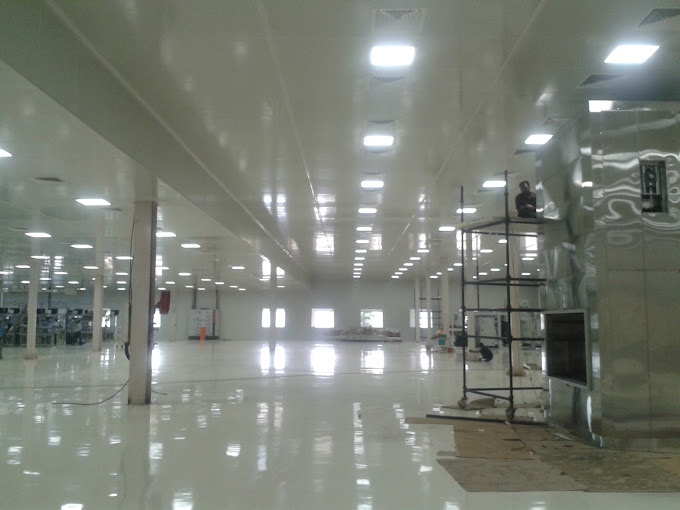
Energy Efficiency: The Cold Storage ROI
Refrigeration accounts for 60–70% of a cold storage facility’s operating cost. The insulation quality of wall and ceiling panels directly impacts this cost. Here’s a comparison of energy consumption for a 5,000 sq ft cold room at 0°C to +4°C:
| Insulation Type | Panel Thickness | Monthly Energy Cost (Approx.) | Annual Cost |
|---|---|---|---|
| PUF Panel (38 kg/m³) | 100mm | ₹1,20,000 | ₹14,40,000 |
| EPS (Thermocol) Panel | 100mm | ₹1,65,000 | ₹19,80,000 |
| Brick Wall + Glass Wool | 230mm + 75mm | ₹2,10,000 | ₹25,20,000 |
PUF panels save ₹5–11 lakh annually in energy costs compared to conventional insulation methods for a 5,000 sq ft cold room. Over a 20-year facility life, this represents savings of ₹1–2.2 crore – far exceeding the incremental cost of PUF panels.
PHOENIXX Cold Storage Projects
PHOENIXX SmartBuild has supplied PUF and PIR panels for 100+ cold storage projects across India, including:
- Multi-chamber cold storage facilities in Gandhidham and Mundra (Gujarat) for agricultural produce
- Pharmaceutical cold chain warehouses in Ahmedabad with −20°C deep freeze capability
- FSSAI-compliant food processing cold rooms in Surat and Pune
- Milk chilling centres across rural Gujarat for dairy cooperatives
For detailed project information, visit our cold storage cost guide.
Get Started with Your Cold Storage Project
Ready stock available for standard cold storage panel thicknesses. PHOENIXX SmartBuild provides end-to-end support from thermal calculation and panel selection to delivery and installation guidance. Our engineering team can help you design the most energy-efficient cold storage solution for your specific requirements.

Frequently Asked Questions
What thickness of PUF panel is needed for cold storage?
The required thickness depends on the target temperature. For chiller rooms (+2°C to +8°C), 80–100mm PUF panels are recommended. For frozen storage (−18°C to −22°C), 120–150mm is needed. For deep freeze (−35°C to −40°C), 180–200mm panels are required. PHOENIXX SmartBuild provides project-specific thermal calculations to determine the optimal thickness.
Should I use PUF or PIR panels for cold storage?
For standard cold rooms and chiller rooms (+2°C to +15°C), PUF panels offer the best value. For frozen storage (−18°C and below), high-value goods storage, or facilities requiring FM Approved fire ratings, PIR panels are recommended. PIR’s superior fire performance can also reduce insurance premiums by 10–15%, partially offsetting its higher cost.
How much energy do PUF panels save in cold storage?
PUF panels save 25–40% in refrigeration energy costs compared to conventional insulation methods (brick wall + glass wool or EPS panels). For a 5,000 sq ft cold room at 0°C to +4°C, this translates to annual savings of ₹5–11 lakh in electricity costs. The higher the temperature differential (colder storage), the greater the savings from superior insulation.
Are PUF panels for cold storage FSSAI compliant?
Yes, PUF panels with food-grade coated or stainless steel facings meet FSSAI requirements for cold storage. Features like smooth non-porous surfaces, sealed joints, cove mouldings at wall-floor junctions, and easy-to-clean finishes ensure compliance with food safety regulations. PHOENIXX SmartBuild can supply panels with specific coatings certified for food contact.
What is the cost of PUF panels for cold storage construction?
Cold storage PUF panel costs range from ₹250–₹600 per sq ft depending on thickness (80–200mm), steel grade, and coating type. A complete 5,000 sq ft cold room (panels + installation) typically costs ₹25–45 lakh for the panel envelope alone. This is 30–40% less expensive than conventional masonry construction and offers significantly better thermal performance.
Related Resources
Explore related products, locations, case studies, and technical guides from PHOENIXX SMARTBUILD.