PUF Panels for Soundproofing – Acoustic Insulation Solutions
A technical guide to PUF panels for soundproofing – covering STC and NRC ratings, applications in recording studios, factories, generator rooms, and ball mills, comparison with rockwool and glass wool, thickness guide for dB reduction, and Phoenixx SmartBuild’s acoustic solutions.
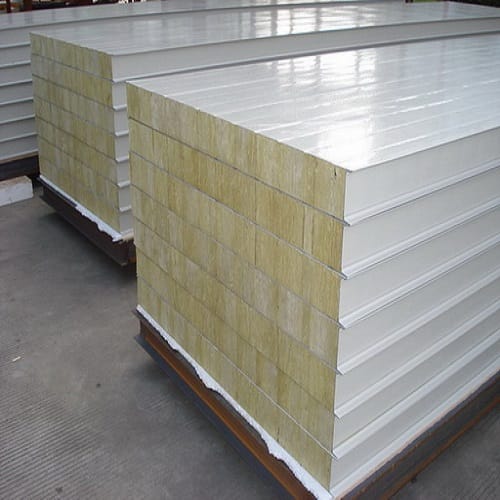
Understanding Sound Insulation: Why PUF Panels Are an Effective Acoustic Solution
Industrial and commercial noise pollution is a growing challenge in India. Generator rooms, manufacturing plants, ball mills, compressor stations, and entertainment venues all generate noise levels that can exceed 85–120 dB – well above the 75 dB limit set by the Central Pollution Control Board (CPCB) for industrial areas and the 55 dB limit for commercial zones.
Effective soundproofing requires materials that combine sound insulation (blocking noise transmission through walls and ceilings) with sound absorption (reducing echo and reverberation within a space). PUF (Polyurethane Foam) panels deliver on both fronts, making them a versatile and cost-effective acoustic solution for a wide range of applications.
In this technical guide, the engineering team at Phoenixx SmartBuild breaks down PUF panel acoustic performance, application-specific recommendations, and how PUF compares to dedicated acoustic materials like rockwool and glass wool.
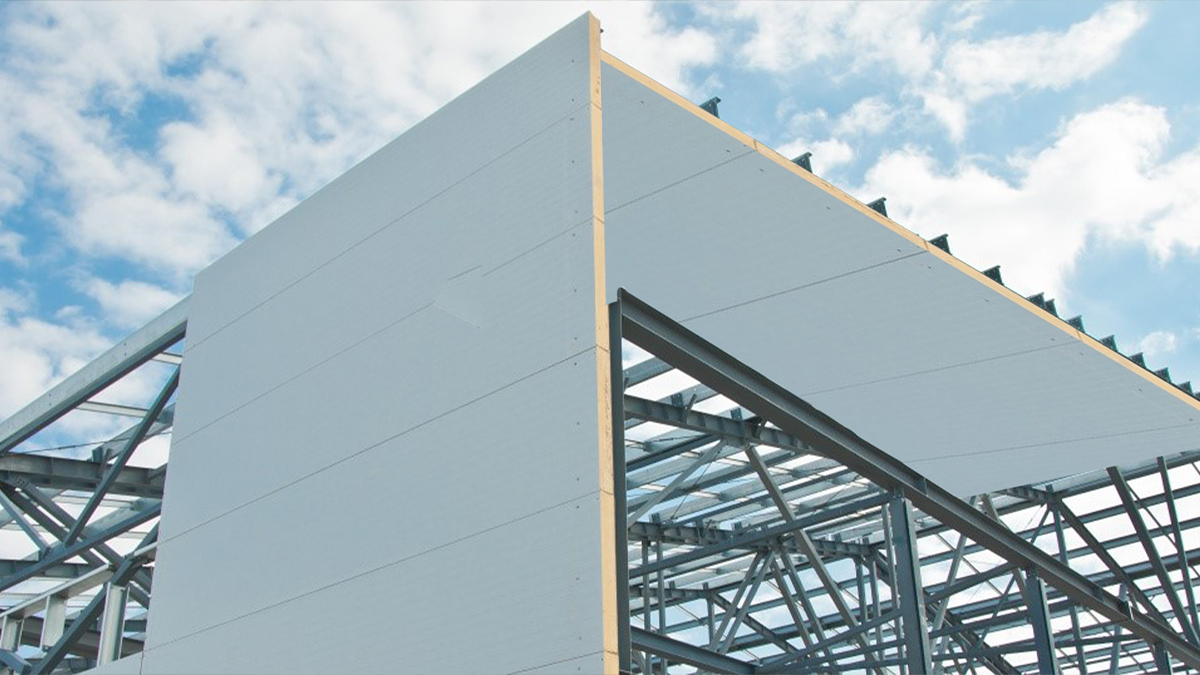
PUF Panel Acoustic Properties Explained
PUF panels contribute to acoustic performance through two distinct mechanisms:
Sound Transmission Class (STC)
STC measures how effectively a partition blocks sound from passing through it. PUF panels achieve their STC rating through the mass-spring-mass principle: two rigid metal facings (mass) separated by a resilient PUF foam core (spring). This construction decouples the two surfaces, preventing sound vibrations from transmitting efficiently through the panel.
| PUF Panel Configuration | Thickness | STC Rating | Equivalent Noise Reduction |
|---|---|---|---|
| Standard PUF Panel (0.50 mm PPGI) | 50 mm | 26–28 dB | Normal conversation blocked |
| Standard PUF Panel (0.50 mm PPGI) | 80 mm | 29–32 dB | Loud speech significantly reduced |
| Heavy-duty PUF Panel (0.60 mm PPGI) | 100 mm | 32–35 dB | Power tool noise reduced to conversation level |
| Double-skin PUF (panel + air gap + panel) | 50+50 mm (100 mm air gap) | 42–48 dB | Heavy machinery noise substantially blocked |
| PUF + Rockwool Composite | 50 mm PUF + 50 mm rockwool | 38–44 dB | Generator room to office-level quiet |
Noise Reduction Coefficient (NRC)
NRC measures how much sound a surface absorbs (preventing echo). Standard PUF panels with smooth metal facings have a moderate NRC of 0.15–0.25. However, Phoenixx SmartBuild offers enhanced acoustic panels with:
- Micro-perforated steel facings: NRC 0.40–0.55
- Perforated facing with acoustic fleece: NRC 0.55–0.70
- Open-cell PUF facing (exposed foam surface): NRC 0.65–0.80
These enhanced options transform PUF panels from a primarily insulative product into a comprehensive acoustic treatment system.
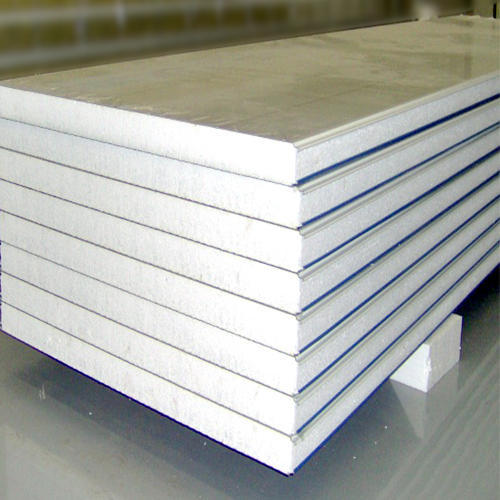
Soundproofing Applications for PUF Panels
1. Generator and DG Set Rooms
Diesel generators produce 95–110 dB of noise, which must be attenuated to 75 dB at the boundary and 55 dB in nearby commercial zones. PUF panel acoustic enclosures are the most popular solution:
- Wall panels: 80–100 mm PUF with perforated inner facing for combined insulation + absorption
- Ceiling panels: 50–80 mm with acoustic fleece
- Acoustic doors: 100 mm PUF core with sealed gaskets
- Ventilation baffles: PUF-lined intake and exhaust ducts for noise attenuation
A properly designed PUF panel DG room achieves 30–40 dB noise reduction, bringing even large 500 kVA generators within CPCB limits.
2. Industrial Factories and Manufacturing Plants
Manufacturing environments with heavy machinery (press shops, grinding, milling, assembly) often exceed 90–100 dB. PUF panels serve multiple acoustic functions:
- Partition walls: Separating noisy production areas from offices and quality labs
- Machine enclosures: Individual noise enclosures around CNC machines, compressors, and mills
- Ceiling treatment: Reducing overall factory noise levels by absorbing reflected sound
- Control room insulation: Creating quiet operator cabins within noisy production halls
3. Ball Mill and Grinding Rooms
Ball mills and grinding equipment generate some of the highest noise levels in industrial settings – often 100–120 dB. Phoenixx SmartBuild provides specialised soundproof room solutions for ball mills using:
- Double-skin PUF panel construction (50+50 mm with 100 mm air gap)
- Perforated inner panels with acoustic fleece for maximum absorption
- Vibration isolation pads at panel-to-structure connections
- Sealed acoustic doors with heavy-duty closers
These systems achieve 40–55 dB noise reduction, protecting workers and meeting regulatory requirements.
4. Recording Studios and Broadcast Rooms
While professional recording studios typically use specialised acoustic treatments, PUF panels provide an excellent structural shell for studio construction. The insulated PUF enclosure blocks external noise (STC 35–48 dB), while internal acoustic treatments handle absorption and diffusion. This approach is cost-effective for:
- Home recording studios and podcasting rooms
- Broadcast control rooms
- Music practice rooms in schools and colleges
- Video production studios
5. Commercial HVAC Plant Rooms
Chiller plants, AHU rooms, and cooling tower enclosures in commercial buildings require noise containment. PUF panels provide both the acoustic insulation to block compressor noise and the thermal insulation to prevent condensation on cold piping.
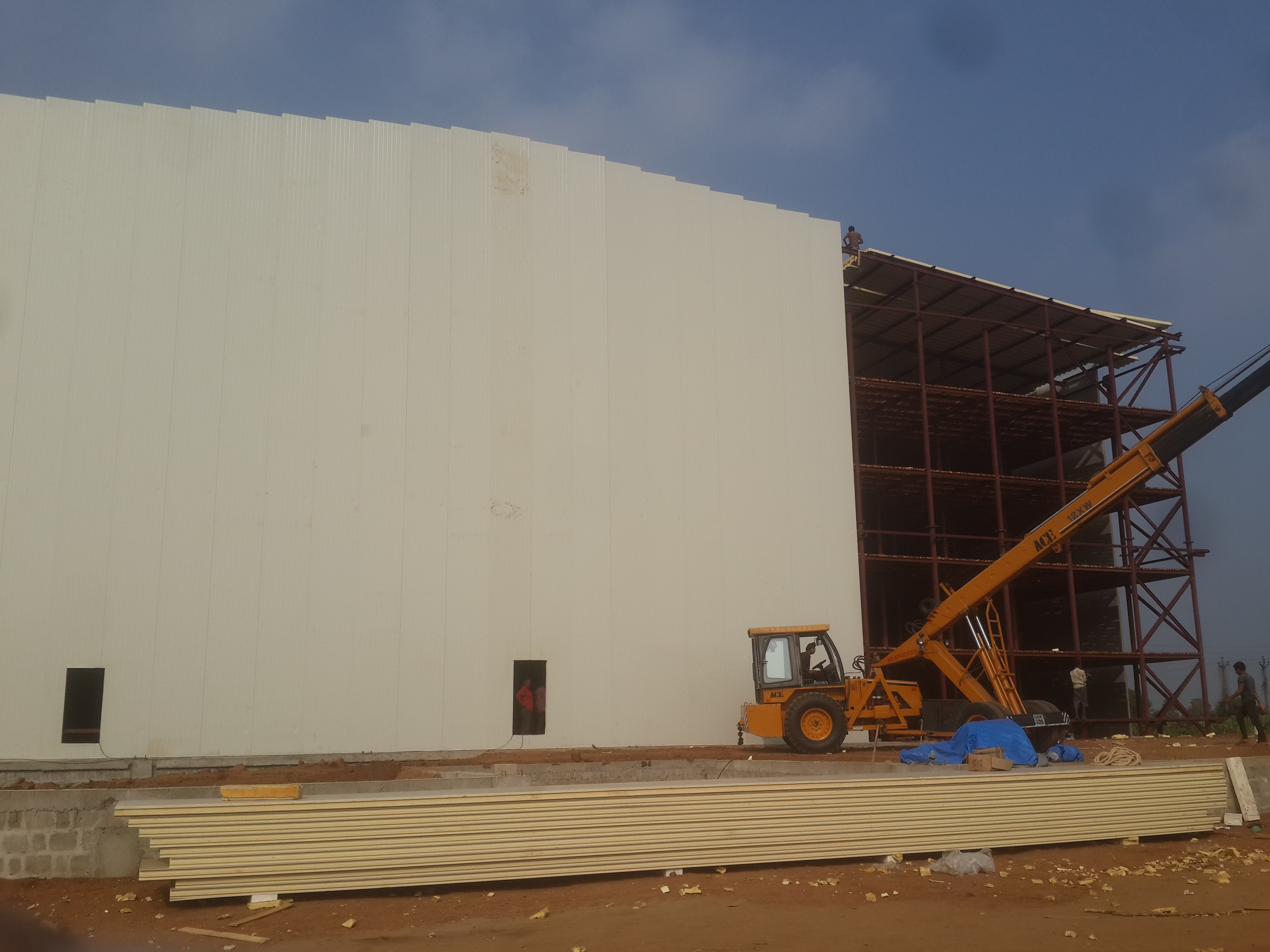
PUF Panel vs Rockwool vs Glass Wool – Acoustic Comparison
Each material has distinct acoustic characteristics. Here’s a comprehensive comparison for soundproofing applications:
| Parameter | PUF Panel (50 mm) | Rockwool Panel (50 mm) | Glass Wool (50 mm) |
|---|---|---|---|
| Sound Insulation (STC) | 26–28 dB | 30–33 dB | 22–25 dB |
| Sound Absorption (NRC) | 0.15–0.25 (standard) / 0.55–0.70 (perforated) | 0.80–0.95 | 0.70–0.90 |
| Thermal Insulation (k-value) | 0.022 W/mK (excellent) | 0.035–0.040 W/mK (good) | 0.032–0.038 W/mK (good) |
| Moisture Resistance | Excellent (closed-cell) | Moderate (absorbs if exposed) | Poor (absorbs moisture) |
| Structural Strength | Self-supporting panel | Requires support structure | Requires support structure |
| Fire Performance | B2 (FR grade) | A1 (non-combustible) | A1 (non-combustible) |
| Durability | 25–30 years | 15–20 years | 10–15 years |
| Installation | Quick clip/screw fix | Requires cladding system | Requires cladding system |
| Cost (₹/sq ft) | ₹ 130–220 | ₹ 85–150 (+ cladding ₹ 60–90) | ₹ 45–80 (+ cladding ₹ 60–90) |
Key insight: For projects requiring both thermal and acoustic insulation (generator rooms, factory partitions, cold storage adjacent to offices), PUF panels are the most efficient single-material solution. For projects where maximum sound absorption is the primary goal (recording studios, auditoriums), rockwool panels or a PUF + rockwool composite system delivers better acoustic results.
Thickness Guide: How Much Soundproofing Do You Need?
| Noise Source | Typical dB Level | Target Reduction | Recommended PUF Solution |
|---|---|---|---|
| Office HVAC noise | 55–65 dB | 15–20 dB | 50 mm PUF panel partition |
| Small DG set (62.5–125 kVA) | 85–95 dB | 25–35 dB | 80 mm PUF panel enclosure with perforated inner facing |
| Large DG set (250–500 kVA) | 95–110 dB | 35–45 dB | 100 mm PUF panel + acoustic fleece, or double-skin PUF |
| Ball mill / heavy grinding | 100–120 dB | 40–55 dB | Double-skin PUF (50+50 mm, 100 mm air gap) with vibration isolation |
| Recording studio (external noise block) | 60–80 dB (ambient) | 35–50 dB | Double-skin PUF with rockwool infill in air gap |
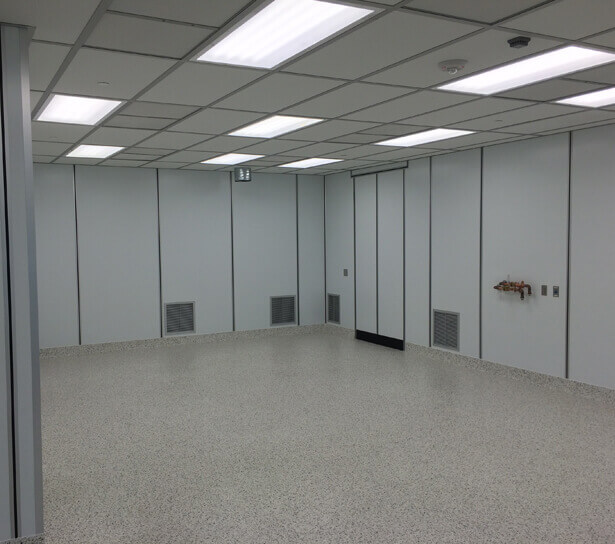
Phoenixx SmartBuild Acoustic Solutions
Phoenixx SmartBuild provides complete acoustic insulation solutions using PUF panels, from design consultation to installation:
- Acoustic assessment: On-site noise measurement and analysis
- Custom panel specification: Thickness, facing type, and composite selection based on target dB reduction
- Turnkey enclosures: Complete DG room, ball mill, and compressor enclosure solutions
- Factory partition walls: PUF panel partitions separating noisy and quiet zones
- Composite systems: PUF + rockwool hybrid panels for maximum acoustic performance
Ready stock available. Get quote in 24 hours. Noise compliance issues can result in fines and operational shutdowns. Get ahead of the problem with Phoenixx SmartBuild’s acoustic PUF panel solutions. Get acoustic solution quote →
Frequently Asked Questions
Can PUF panels be used for soundproofing?
Yes. PUF panels provide effective sound insulation (STC 26–48 dB depending on configuration) and moderate sound absorption (NRC 0.15–0.70 depending on facing type). They are widely used for generator room enclosures, factory partitions, ball mill soundproofing, and commercial noise containment. For maximum acoustic performance, perforated facings or PUF + rockwool composite systems are recommended.
What STC rating do PUF panels achieve?
Standard 50 mm PUF panels achieve STC 26–28 dB. Thicker panels (80–100 mm) reach STC 29–35 dB. Double-skin PUF construction (two panels with an air gap) achieves STC 42–48 dB, which is sufficient for most industrial soundproofing applications including DG rooms and heavy machinery enclosures.
Is PUF better than rockwool for soundproofing?
It depends on the application. Rockwool provides superior sound absorption (NRC 0.80–0.95) compared to standard PUF (NRC 0.15–0.25). However, PUF panels offer better thermal insulation, moisture resistance, structural self-support, and faster installation. For projects needing both thermal and acoustic insulation, PUF panels are more efficient. For maximum sound absorption, rockwool or PUF + rockwool composites are preferred.
How much noise reduction can PUF panels achieve for generator rooms?
A properly designed PUF panel DG room enclosure achieves 30–40 dB noise reduction. For a 250 kVA generator producing 100–105 dB, this brings noise levels down to 60–75 dB at the enclosure boundary – within CPCB limits for industrial (75 dB) and commercial (65 dB) zones. The system typically uses 80–100 mm PUF panels with perforated inner facings and acoustic ventilation baffles.
What is the cost of PUF panel soundproofing?
PUF panel soundproofing costs range from ₹ 130 to ₹ 350 per sq ft depending on thickness and acoustic configuration. A complete DG room enclosure for a 250 kVA generator (approx. 400–600 sq ft panel area) costs ₹ 80,000–1,50,000 including panels, framework, acoustic door, and ventilation baffles. Double-skin systems for heavy noise sources cost ₹ 250–450 per sq ft.
Related Resources
Explore related products, locations, case studies, and technical guides from PHOENIXX SMARTBUILD.