PUF Panels in Sustainable Construction – Green Building Benefits
Discover how PUF panels are driving sustainable construction in India – from significant energy savings and recyclable materials to IGBC/GRIHA green building credit contributions and lifecycle carbon reduction.

Sustainable Construction – Why It Matters for India
India’s construction sector accounts for approximately 22% of the country’s CO₂ emissions and consumes nearly 30% of all energy. As the nation commits to net-zero targets and green building mandates become more stringent, the choice of building materials is no longer just about cost and strength – it’s about environmental responsibility.
PUF (Polyurethane Foam) panels are emerging as a cornerstone of sustainable industrial construction. While no building material is perfectly “green,” PUF panels deliver a compelling sustainability profile when evaluated across their full lifecycle: from manufacturing through decades of operational energy savings to eventual recycling. This guide examines the sustainability credentials of PUF panels and their contribution to green building certification in India.
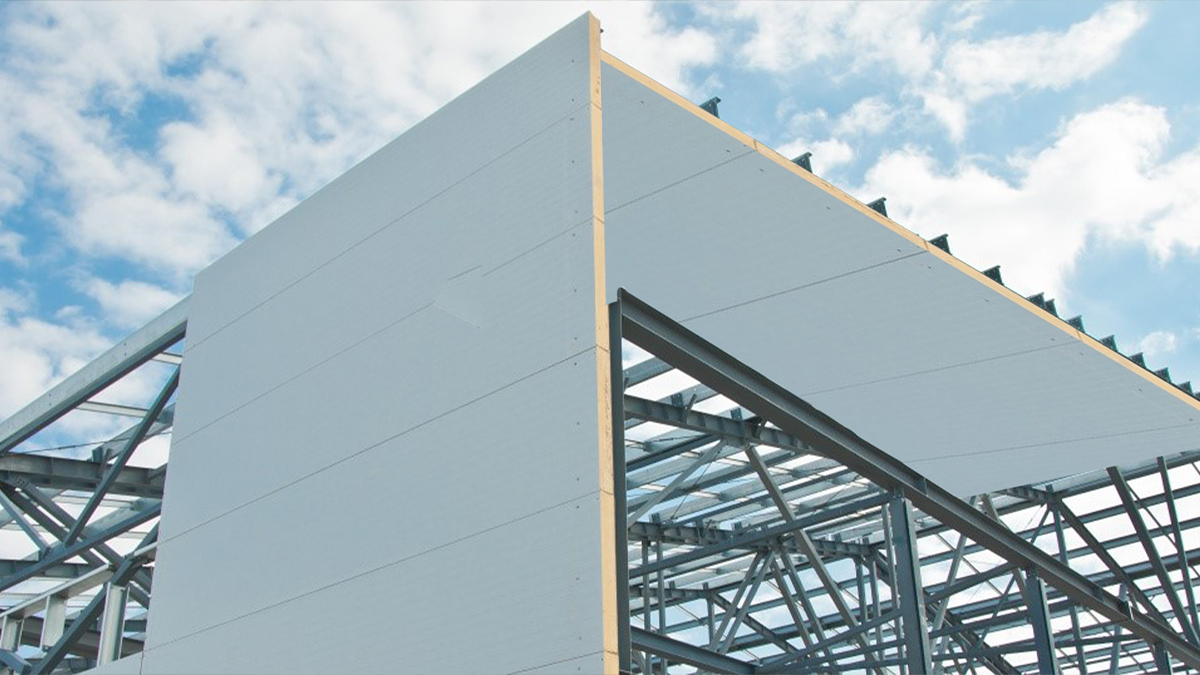
The Sustainability Credentials of PUF Panels
1. Exceptional Energy Efficiency
The single biggest sustainability benefit of PUF panels is their contribution to building energy efficiency. With a thermal conductivity of just 0.022 W/mK – the lowest among commonly used insulation materials – PUF panels dramatically reduce the energy needed for heating and cooling buildings:
- 30–40% reduction in HVAC energy consumption compared to uninsulated buildings.
- 15–25% reduction compared to buildings with conventional insulation (glass wool, EPS).
- Over a 25-year building life, a 10,000 sq ft PUF-insulated facility saves approximately 5,00,000–7,50,000 kWh of electricity compared to a conventionally built equivalent.
This energy savings translates directly to reduced CO₂ emissions. At India’s current grid emission factor of approximately 0.82 kg CO₂/kWh, this represents a 410–615 tonne CO₂ reduction over the building’s lifetime – a massive environmental benefit.
2. Recyclable Steel Facings
The metal facings of PUF panels (PPGI, PPGL, or stainless steel) are 100% recyclable. At the end of the panel’s useful life, the steel can be separated from the PUF core and recycled through India’s well-established steel recycling industry. Steel is the most recycled material in the world, with a recycling rate exceeding 85% globally.
3. Reduced Construction Waste
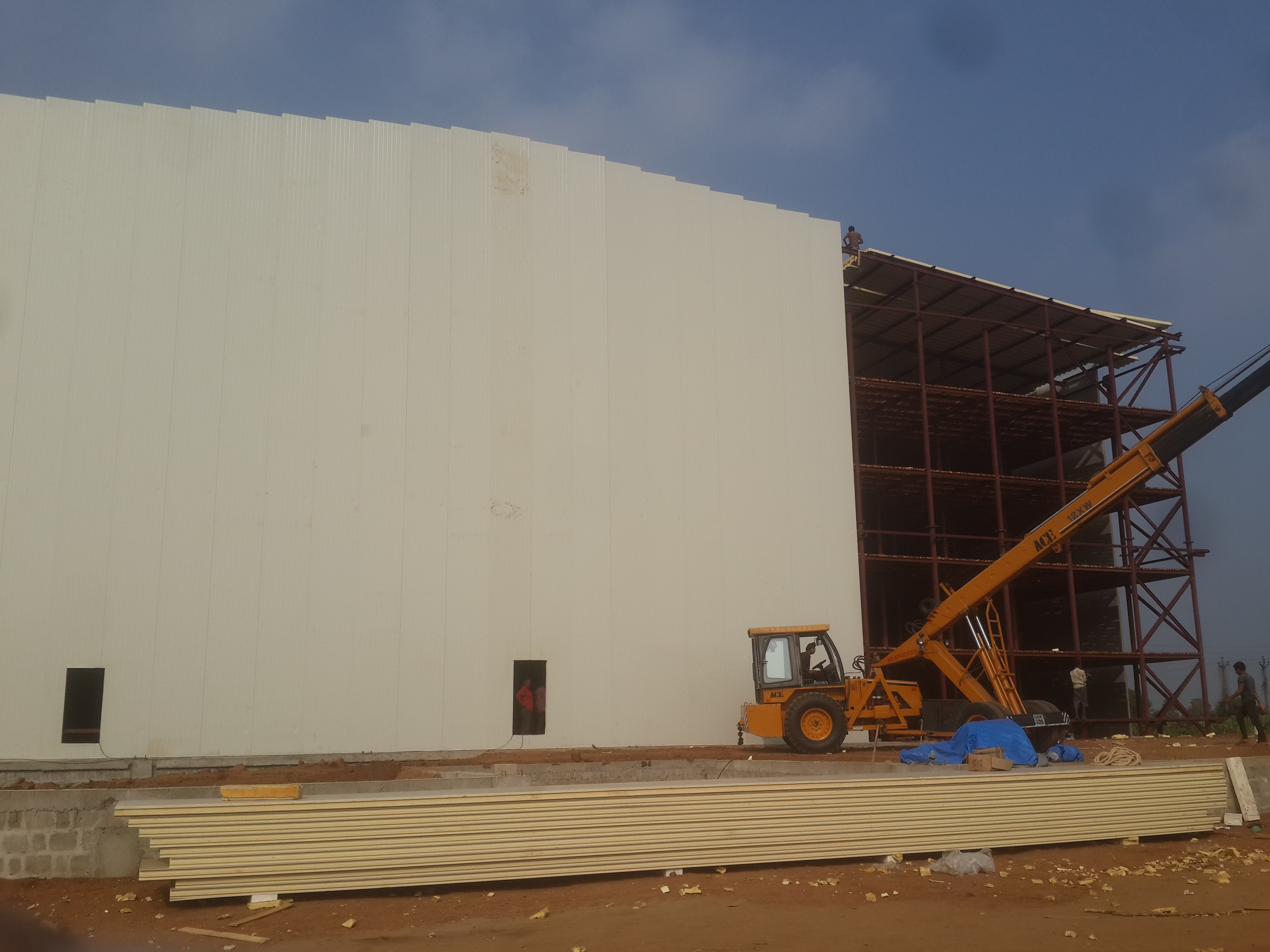
PUF panel construction generates 80–90% less construction waste compared to conventional brick-and-mortar or RCC construction. Panels are factory-cut to precise dimensions, eliminating on-site cutting waste. There is no wet work (no cement mixing, plastering waste, or curing water), and no rubble from brick cutting or concrete demolition.
| Construction Method | Waste Generated (per 1,000 sq ft) | Water Consumed (construction) |
|---|---|---|
| PUF Panel Construction | 50–100 kg | Minimal (fixing only) |
| Brick + Plaster Construction | 800–1,200 kg | 2,000–3,000 litres |
| RCC Construction | 1,500–2,500 kg | 5,000–8,000 litres |
4. Reduced Carbon Footprint in Transport
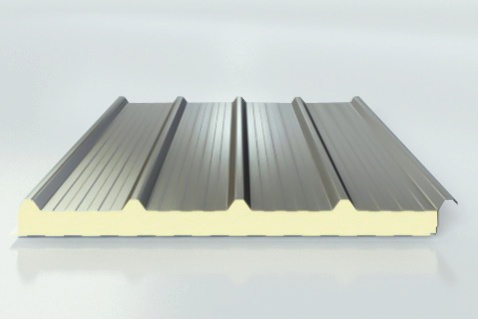
PUF panels are significantly lighter than conventional materials. A 50mm PUF wall panel weighs approximately 10–12 kg/m², compared to 200+ kg/m² for a brick wall. This means:
- Fewer truck loads needed to transport the same area of wall material.
- Lighter building loads requiring less structural steel and foundation concrete.
- Reduced transport emissions by 60–70% per square metre of wall area.
5. No Ozone-Depleting Substances
Modern PUF panels use cyclopentane as the blowing agent, which has zero Ozone Depletion Potential (ODP) and a very low Global Warming Potential (GWP). This is a significant improvement over older foam insulations that used CFC or HCFC blowing agents. PHOENIXX SmartBuild uses only cyclopentane-blown PUF, ensuring full compliance with the Montreal Protocol and Kigali Amendment.
6. Long Operational Lifespan
PUF panels last 25–35 years with minimal maintenance, avoiding the resource consumption and waste generation of frequent repairs and replacements associated with conventional materials. The longer the building operates without major refurbishment, the lower its lifetime environmental impact.
Green Building Certification Credits
PUF panels contribute to multiple credit categories in India’s leading green building certification systems:
IGBC (Indian Green Building Council) Credits
| Credit Category | PUF Panel Contribution | Potential Points |
|---|---|---|
| Energy Efficiency (EAc1) | 30–40% HVAC energy reduction through superior envelope insulation | Up to 10 points |
| Materials & Resources (MRc4) | Recycled steel content (typically 25–30% recycled steel in PPGI) | 1–2 points |
| Materials & Resources (MRc5) | Locally manufactured materials (within 800 km radius) | 1–2 points |
| Construction Waste (MRc2) | 80–90% less construction waste than conventional methods | 1–2 points |
| Indoor Environmental Quality | Thermal comfort through consistent insulation performance | 1–2 points |
GRIHA (Green Rating for Integrated Habitat Assessment) Credits
Under GRIHA’s rating system, PUF panels contribute to criteria related to energy optimisation, building envelope performance, material selection (recycled content and local sourcing), and construction process (waste minimisation and water conservation).
Lifecycle Analysis – PUF Panels vs Conventional Materials
A full lifecycle analysis (LCA) considers environmental impact from material extraction through manufacturing, transport, installation, operation, and end-of-life. Here’s how PUF panels compare:
| Lifecycle Stage | PUF Panel | Brick + Mortar | Single-Skin Metal |
|---|---|---|---|
| Manufacturing Energy | Moderate | High (kiln firing) | Low |
| Transport Emissions | Low (lightweight) | High (heavy) | Low |
| Construction Waste | Very Low | High | Low |
| Operational Energy (25 years) | Very Low (excellent insulation) | High (poor insulation) | Very High (no insulation) |
| Maintenance Resources | Very Low | High | Moderate |
| End-of-Life Recycling | Steel: 100% recyclable | Mostly landfill | 100% recyclable |
| Overall Lifecycle Impact | Lowest | Highest | High (operational energy) |
The data clearly shows that while PUF panels have a moderate manufacturing footprint, their exceptional operational energy savings over 25+ years make them the most environmentally responsible choice for industrial and commercial construction.
PHOENIXX SmartBuild’s Sustainability Commitment
At PHOENIXX SmartBuild, sustainability is woven into every aspect of our operations:
- Cyclopentane Blowing: All our PUF panels use zero-ODP, low-GWP cyclopentane as the blowing agent.
- Waste Minimisation: Our continuous line production achieves 98%+ material utilisation, with edge trims recycled internally.
- Local Sourcing: Steel coils are sourced from Indian mills within 500 km, reducing transport emissions.
- Energy-Efficient Manufacturing: Our production facility uses energy-efficient motors, LED lighting, and heat recovery systems.
- Customer Education: We help customers understand the green building benefits of PUF panels and assist with certification documentation.
Read about the broader trends in sustainable industrial construction: Future of industrial construction in India.
Build Green with PUF Panels
Whether you’re pursuing IGBC Gold certification, GRIHA compliance, or simply want to reduce your building’s environmental footprint, PUF panels are a practical, cost-effective step toward sustainable construction. The energy savings alone justify the choice – the green building credits and waste reduction are valuable bonuses.
Explore how PUF panels integrate with PEB (Pre-Engineered Building) solutions for maximum sustainability impact.
Get factory direct pricing. Get green building quote →
Frequently Asked Questions
Are PUF panels eco-friendly?
PUF panels have a strong sustainability profile when evaluated over their full lifecycle. While manufacturing has a moderate environmental footprint, the 30–40% energy savings over 25+ years of operation, 100% recyclable steel facings, 80–90% reduction in construction waste, and zero-ODP blowing agents make PUF panels one of the most environmentally responsible choices for industrial construction.
Do PUF panels qualify for green building certification in India?
Yes, PUF panels contribute to multiple credit categories in IGBC and GRIHA certification systems. They can earn points for energy efficiency (superior envelope insulation), materials and resources (recycled steel content, local manufacturing), construction waste reduction, and indoor environmental quality. A PUF panel building can achieve up to 10–16 additional points toward green certification.
How much CO₂ do PUF panels save over a building’s lifetime?
A 10,000 sq ft PUF-insulated facility saves approximately 5,00,000–7,50,000 kWh of electricity over a 25-year life compared to conventional construction. At India’s grid emission factor of 0.82 kg CO₂/kWh, this represents 410–615 tonnes of CO₂ reduction – equivalent to planting approximately 20,000–30,000 trees.
Can PUF panels be recycled at end of life?
The steel facings of PUF panels are 100% recyclable through standard steel recycling processes. At end of life, the steel is separated from the PUF core and recycled. The PUF core itself can be mechanically recycled into carpet underlay, packaging material, or used as fuel in cement kilns with energy recovery. Research is ongoing into chemical recycling processes for PUF foam.
How do PUF panels compare to brick construction in terms of sustainability?
PUF panels are significantly more sustainable than brick construction across most parameters: 80–90% less construction waste, minimal water consumption during installation (vs 2,000–3,000 litres per 1,000 sq ft for brick), 60–70% lower transport emissions (lighter weight), and 30–40% lower operational energy over the building’s life. Brick production in kilns also generates substantial air pollution and CO₂ emissions.
Related Resources
Explore related products, locations, case studies, and technical guides from PHOENIXX SMARTBUILD.