PUF vs PIR vs Rockwool: Best Panel for Ahmedabad Climate
Confused between PUF, PIR, and Rockwool panels? This comprehensive comparison helps you choose the right insulation type for Ahmedabad's extreme climate and your specific application.
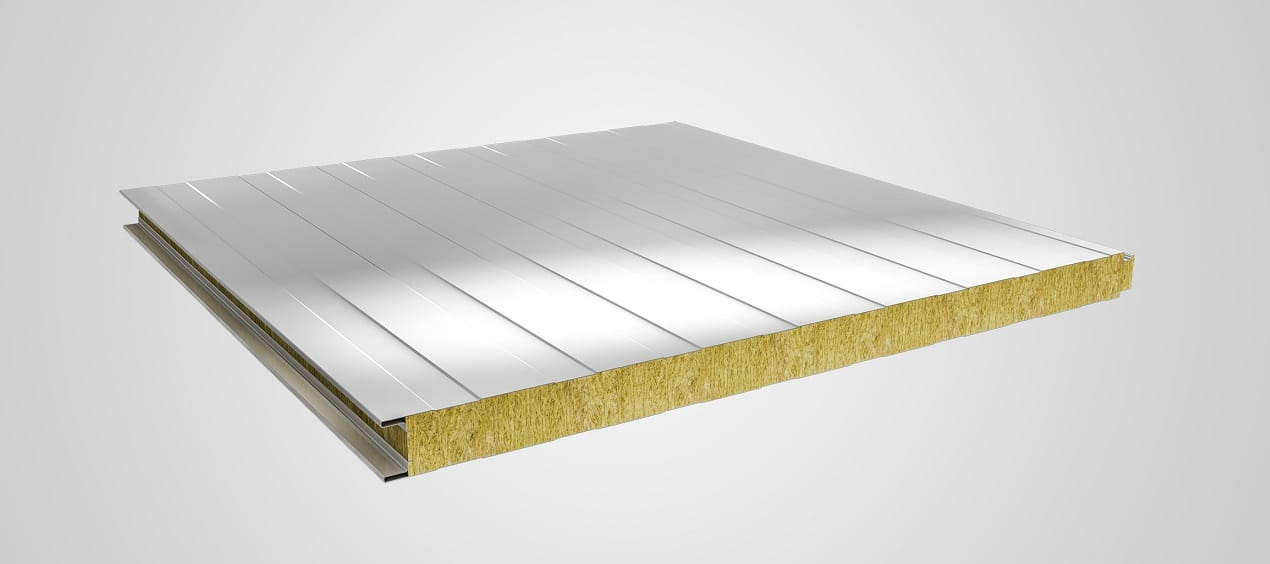
Introduction: Choosing the Right Panel
Ahmedabad's extreme climate, with summers touching 48°C and monsoons bringing heavy humidity—demands careful panel selection. The three main insulation types each have distinct advantages:
- PUF (Polyurethane Foam): Best thermal performance, most economical
- PIR (Polyisocyanurate): Better fire safety, slightly better thermal
- Rockwool (Mineral Wool): Non-combustible, acoustic benefits
This guide from PHOENIXX Ahmedabad helps you make an informed choice.
Quick Comparison Table
| Parameter | PUF | PIR | Rockwool |
|---|---|---|---|
| Thermal Conductivity | 0.024 W/mK | 0.022 W/mK | 0.035-0.040 W/mK |
| Fire Rating | B3/E | B-s1,d0 | A1 (Non-combustible) |
| Smoke Emission | Moderate | Very Low (s1) | None |
| Burning Droplets | Yes | No (d0) | No |
| Weight (50mm) | ~8 kg/m² | ~8 kg/m² | ~12 kg/m² |
| Acoustic (Rw) | 25-28 dB | 25-28 dB | 32-45 dB |
| Cost Index | 1.0x | 1.2-1.4x | 1.5-1.8x |
PUF Panels: The All-Rounder
Sandwich PUF panels are the most commonly used insulation type in Ahmedabad:
Advantages
- Best thermal performance: 0.024 W/mK means thinner panels for same R-value
- Most economical: Lowest cost per R-value
- Lightweight: Reduces structural steel requirements
- Good moisture resistance: Closed-cell structure
- Wide availability: Most manufacturers produce PUF
Limitations
- Lower fire rating (B3/E class)
- Can produce smoke and dripping when burning
- Not suitable for fire-critical areas without additional protection
Best Applications in Ahmedabad
- General warehouses and factories
- Commercial buildings
- Cold storage (with proper fire compartmentalization)
- Agricultural sheds
- Non-hazardous manufacturing
PIR Panels: The Safe Choice
PIR panels offer enhanced fire safety:
Advantages
- Better fire performance: B-s1,d0 rating
- Low smoke: s1 means very limited smoke production
- No burning droplets: d0 rating ensures safer evacuation
- Slightly better thermal: 0.022 W/mK
- Insurance benefits: May reduce premiums
Limitations
- Higher cost (20-40% premium over PUF)
- Still combustible (Class B, not A)
- May not satisfy FM Global requirements
Best Applications in Ahmedabad
- Pharmaceutical manufacturing (WHO-GMP)
- Food processing facilities
- Cold storage (especially -25°C and below)
- Commercial buildings with fire code requirements
- Facilities near hazardous areas
Rockwool Panels: Maximum Safety
Rockwool panels are non-combustible:
Advantages
- Non-combustible: A1 fire rating (highest)
- No smoke or toxic fumes: Safest in fire situations
- Excellent acoustic: 32-45 dB sound reduction
- FM Global compliant: Meets FM 4880 requirements
- Insurance friendly: Often required for lower premiums
Limitations
- Lower thermal performance (need thicker panels)
- Heavier weight (increases structural requirements)
- Higher cost (50-80% premium over PUF)
- Slightly more complex installation
Best Applications in Ahmedabad
- Chemical and petrochemical facilities
- Oil & gas installations
- FM Global insured buildings
- High-value warehouse storage
- Areas with strict fire codes
- Noise-sensitive applications (generator rooms)
Decision Guide for Ahmedabad Climate
For General Warehouses
Recommendation: PUF panels
Standard warehouses in GIDC areas typically don't require fire-rated panels. 50-60mm PUF provides adequate thermal comfort at the best price point.
For Food Processing
Recommendation: PIR panels
FSSAI and food safety requirements, combined with cooking/frying areas, make PIR the safer choice. B-s1,d0 rating provides peace of mind.
For Pharmaceutical
Recommendation: PIR or Rockwool
WHO-GMP guidelines and FDA requirements push towards fire-safe options. PIR for general areas, Rockwool for solvent storage or high-risk zones.
For Cold Storage
Recommendation: PIR panels
PIR's better thermal performance (0.022 vs 0.024 W/mK) means thinner panels for same insulation value, saving space and cost in the long run.
For MNC Facilities
Recommendation: FM Approved panels
FM Approved panels (PIR or Rockwool core) are typically mandatory for multinational company facilities with global insurance requirements.
Cost-Benefit Analysis
For a 10,000 sq.ft project with 50mm panels:
| Panel Type | Material Cost | 20-Year Insurance Savings | Net Cost |
|---|---|---|---|
| PUF | ₹9,50,000 | ₹0 | ₹9,50,000 |
| PIR | ₹13,00,000 | ₹1,50,000 (est.) | ₹11,50,000 |
| Rockwool | ₹16,00,000 | ₹3,00,000 (est.) | ₹13,00,000 |
Note: Insurance savings vary by insurer and facility type. Get specific quotes.
Ahmedabad Climate Considerations
Ahmedabad's extreme weather affects panel choice:
- 48°C summers: All three types handle high temperatures well, but PUF/PIR's better thermal conductivity means better indoor comfort
- Monsoon humidity: PUF and PIR have closed-cell structure preventing moisture absorption; Rockwool needs careful vapor barrier design
- Temperature cycling: All panels handle thermal expansion well when properly installed
- Dust/pollution: No significant difference; coating quality matters more
PHOENIXX Panel Range
PHOENIXX manufactures all three panel types in Ahmedabad:
- Sandwich PUF Panels
- Roofing PUF Panels
- PIR Fire-Rated Panels
- Rockwool Acoustic Panels
- FM Approved Panels
Conclusion
The "best" panel depends on your specific requirements:
- Budget priority + general use: PUF
- Fire safety + food/pharma: PIR
- Maximum safety + insurance: Rockwool
When in doubt, our technical team can recommend the optimal solution based on your application, budget, and regulatory requirements.
Need help choosing? Contact PHOENIXX for a free technical consultation.
Frequently Asked Questions
Which panel is best for Ahmedabad summers?
For pure thermal performance in Ahmedabad's 48°C summers, PUF and PIR are nearly equal (PIR is slightly better at 0.022 vs 0.024 W/mK). Choose based on fire requirements rather than thermal performance alone.
Do I need Rockwool panels for my warehouse?
Not necessarily. Rockwool is recommended when: (a) FM Global insurance requires it, (b) local fire codes mandate non-combustible construction, (c) you need acoustic insulation, or (d) storing high-value goods where fire risk must be minimized.
Can I mix panel types in one building?
Yes, it's common practice. You might use Rockwool panels near fire-risk areas (boiler rooms, electrical panels) and PUF panels for general areas. Proper fire compartmentalization design is essential.
Which panel type lasts longest?
All three panel types, when properly manufactured and installed, have a 25-30 year lifespan. The limiting factor is usually the external coating, not the core material. Choose quality coatings (PVDF or SMP) for maximum durability.
Related Resources
Explore related products, locations, case studies, and technical guides from PHOENIXX SMARTBUILD.