Warehouse Insulation Guide for Gujarat Heat and Logistics Demand
A region-focused guide to warehouse insulation strategy in Gujarat, balancing thermal performance, capex and operational reliability.
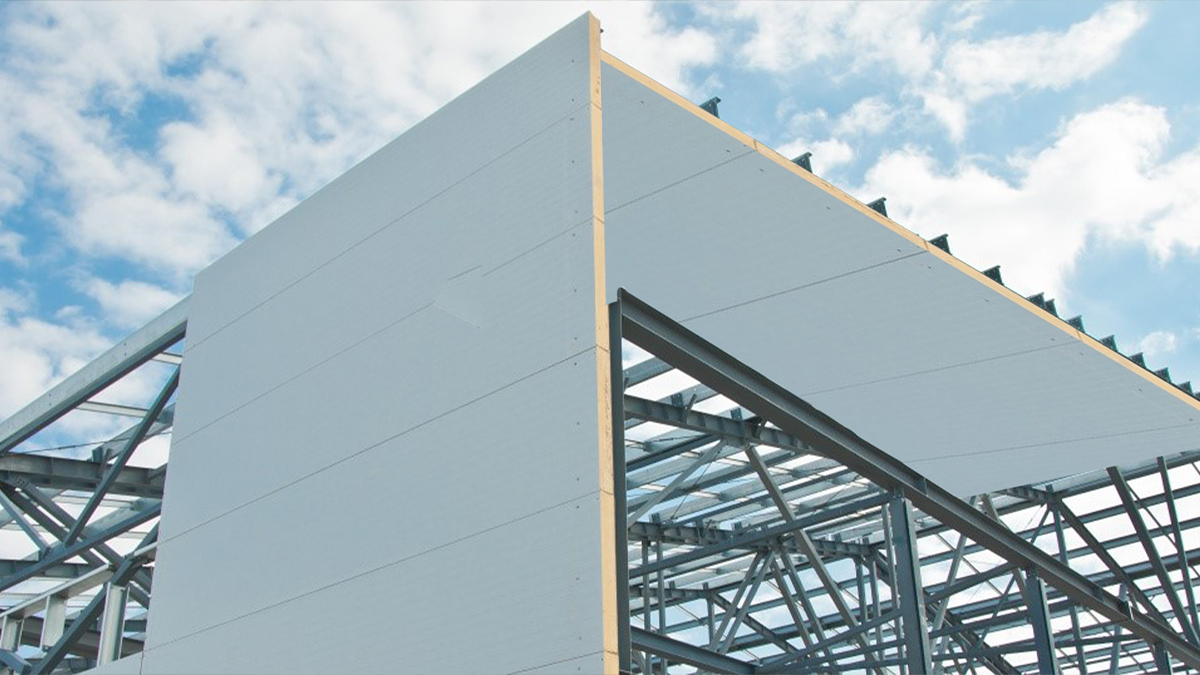
Gujarat Warehouses Need Climate-Specific Envelope Design
Warehouses in Gujarat face high summer heat, dust load, and monsoon stress. Many facilities still rely on bare sheet roofing with token ventilation and then struggle with heat stress, product quality drift, and higher power bills. Effective insulation design starts with understanding storage profile: ambient goods, semi-conditioned inventory, or temperature-sensitive products.
In Ahmedabad logistics corridors, roof insulation is typically the highest-impact intervention. Wall insulation then improves perimeter stability and reduces radiant asymmetry near racking aisles.
Recommended Warehouse Insulation Configurations
| Warehouse Type | Roof Recommendation | Wall Recommendation |
|---|---|---|
| Dry goods non-conditioned | 50-60 mm insulated roof panel | 40-50 mm wall panel |
| Semi-conditioned logistics | 60-80 mm roof panel | 50-60 mm wall panel |
| Temperature-sensitive inventory | 80-100 mm roof panel | 60-80 mm wall panel |
Thermal Performance and Operational Benefits
PUF conductivity around 0.022-0.026 W/mK helps moderate indoor peaks and reduce mechanical cooling requirement where applied. Better thermal stability improves workforce conditions and can protect product quality in sectors like FMCG, packaging, and electronics components. Insulation also reduces condensation risk on interior metal surfaces during humidity transitions.
Pair insulation with ridge ventilation, controlled daylighting, and dock-door discipline for best results. Envelope performance is cumulative; isolated upgrades underperform when air leakage remains uncontrolled.
Comparison: Insulated vs Non-Insulated Warehouses
| Operational Metric | Insulated Envelope | Non-Insulated Envelope |
|---|---|---|
| Daytime heat build-up | Lower and slower | High and rapid |
| Product condition stability | Improved | Variable during peak months |
| Cooling energy requirement | Lower | Higher |
Execution Priorities for New Builds and Retrofits
- Prioritize roof upgrade in phased retrofits.
- Seal all dock and service penetrations before commissioning.
- Use reflective roof coatings where solar load is extreme.
- Plan preventive maintenance before each monsoon cycle.
Project teams can compare available panel options via https://phoenixxsmartbuild.com/products/sandwich-panels/roofing-puf-panel and solution workflows at https://phoenixxsmartbuild.com/solutions/warehouse.
Frequently Asked Questions
What insulation upgrade gives fastest benefit in existing warehouses?
Roof insulation generally delivers the fastest thermal improvement and energy benefit in Gujarat conditions.
Is wall insulation necessary for non-conditioned warehouses?
It may still be beneficial for perimeter thermal stability and condensation control, especially for sensitive inventory.
Can ventilation replace roof insulation?
Ventilation helps but cannot replace insulation under high solar load; both should be designed together.
How often should insulated warehouse roofs be inspected?
At minimum before and after monsoon, with additional checks in high-dust or high-traffic industrial areas.
Related Resources
Explore related products, locations, case studies, and technical guides from PHOENIXX SMARTBUILD.