What is Cold Storage Construction? Process, Panels & Cost Overview
Everything you need to know about cold storage construction in India—types of cold storage, construction process, panel selection, refrigeration systems, costs, and government subsidies.
What is Cold Storage Construction?
Cold storage construction refers to the design and building of temperature-controlled facilities that maintain perishable goods at specific low temperatures throughout their shelf life. These facilities are critical components of the cold chain: the unbroken series of refrigerated production, storage, and distribution activities that maintain product quality from farm or factory to the end consumer.
In India, cold storage infrastructure is vital for preserving fruits, vegetables, dairy products, meat, seafood, pharmaceuticals, and chemicals. With over 35% of India’s agricultural produce lost to post-harvest spoilage, the demand for modern cold storage construction has never been higher.
Types of Cold Storage Facilities
1. Single-Commodity Cold Storage
Designed to store a single product type—most commonly potatoes in India. These facilities operate at a fixed temperature range (2–4°C for potatoes) and represent the largest category of cold storage in the country, particularly in Uttar Pradesh, West Bengal, and Bihar.
2. Multi-Commodity Cold Storage
Modern multi-commodity stores feature multiple chambers operating at different temperatures, allowing simultaneous storage of fruits (0–4°C), vegetables (4–8°C), dairy (2–5°C), and frozen products (−18°C to −25°C). These are increasingly popular due to higher revenue potential and year-round utilisation.
3. Controlled Atmosphere (CA) Storage
CA storage goes beyond temperature control by regulating the oxygen, carbon dioxide, and nitrogen levels in the chamber. This dramatically extends the shelf life of fruits like apples (up to 10–12 months) and is widely used in Himachal Pradesh, Jammu & Kashmir, and Maharashtra.
4. Blast Freezer / Quick-Freeze Rooms
Blast freezers rapidly reduce product temperature to −18°C or below within hours using high-velocity cold air. They are essential for seafood processing, ready-to-eat meals, and ice cream manufacturing.
5. Pharma Cold Storage
Pharmaceutical cold storage facilities require precise temperature control (2–8°C for vaccines, −20°C for certain biologics), GMP compliance, and validated monitoring systems. Panel selection, HVAC design, and documentation are far more stringent than food-grade facilities.
Cold Storage Construction Process
A typical cold storage construction project follows these stages:
- Feasibility Study & Design: Assess product types, storage capacity (in metric tonnes), temperature requirements, throughput patterns, and local regulations. Engage a specialist firm for thermal load calculations and refrigeration system design.
- Site Preparation & Civil Works: Level the site, construct the floor slab with vapour barrier and under-floor heating (to prevent frost heave), and erect the structural steel framework.
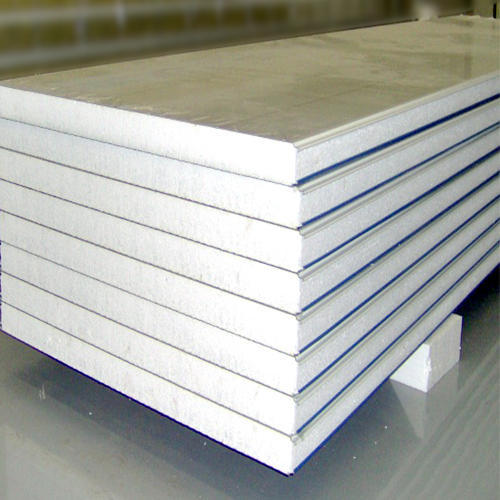
- Panel Erection: Install insulated sandwich panels for walls and ceiling. PIR panels are preferred for fire safety and insurance compliance, while PUF panels offer a cost-effective alternative for smaller facilities.
- Door & Dock Installation: Fit insulated sliding doors, rapid roll-up doors, and dock levellers for efficient material handling. Air curtains or strip curtains are added at entry points to minimise cold loss.
- Refrigeration System Installation: Install the refrigeration plant—compressors (reciprocating, screw, or scroll), condensers, evaporators, and the piping network. Ammonia (NH3) systems are standard for large facilities, while freon-based systems are used for smaller or pharma applications.
- Electrical & Controls: Wire the facility with power distribution, lighting, temperature monitoring systems (SCADA/PLC-based), alarms, and backup generators for uninterrupted operation.
- Testing & Commissioning: Conduct thermal pull-down tests, door seal integrity checks, and refrigeration performance verification before handing over the facility for commercial use.
Panel Selection for Cold Storage
The panel is the most critical component of a cold storage envelope. Key considerations:
| Temperature Range | Recommended Panel Type | Minimum Thickness |
|---|---|---|
| +5°C to +15°C (cool rooms) | PUF Panel | 60–80 mm |
| 0°C to +5°C (chiller) | PUF / PIR Panel | 80–100 mm |
| −18°C to 0°C (frozen) | PIR Panel (recommended) | 100–120 mm |
| −35°C to −18°C (deep freeze) | PIR Panel (FM-approved) | 150–200 mm |
For detailed cost data, refer to our guides on cold storage construction cost in India and cold storage cost per metric tonne.
Cold Storage Construction Cost in India
The total cost of cold storage construction depends on capacity, temperature, location, and specification level:
- Small cold rooms (10–50 MT): ₹15–25 lakh for basic chiller rooms with PUF panels and freon refrigeration.
- Medium cold storage (100–500 MT): ₹60 lakh–₹2.5 crore depending on temperature and multi-chamber configuration.
- Large cold storage (1,000–5,000 MT): ₹3–15 crore with ammonia refrigeration, automated racking, and FM-approved PIR panels.
- Pharma cold storage: Costs are 30–50% higher than food-grade facilities due to GMP compliance, validated monitoring, and precision HVAC systems.
Government Support & Subsidies
The Indian government actively supports cold chain development through multiple schemes:
- PM Kisan SAMPADA Yojana: Provides capital subsidy of up to 35% (50% for NE/hilly regions) for integrated cold chain and value addition infrastructure.
- Agriculture Infrastructure Fund (AIF): Offers interest subvention of 3% per annum on loans up to ₹2 crore for cold storage projects by farmer groups and agri-entrepreneurs.
- NABARD Refinance: Banks can refinance cold storage loans through NABARD at concessional rates, making credit more accessible.
- State-Level Subsidies: Several states (Rajasthan, Gujarat, Maharashtra) offer additional subsidies of 25–50% on capital investment in cold chain infrastructure.
Phoenixx SmartBuild’s project team assists clients with subsidy documentation and DPR (Detailed Project Report) preparation. Get in touch to discuss your cold storage project’s technical and financial requirements.
Frequently Asked Questions
Frequently Asked Questions
How long does it take to construct a cold storage facility?
A small cold room (10–50 MT) can be built in 4–6 weeks. Medium-scale facilities (100–500 MT) typically take 3–5 months, while large cold storage projects (1,000+ MT) with ammonia refrigeration and automated systems may require 6–10 months from design to commissioning.
What is the best panel for cold storage construction?
PIR (Polyisocyanurate) panels are the best choice for modern cold storage, offering excellent thermal insulation (0.020–0.023 W/mK) and superior fire resistance (Bs1d0). For budget-sensitive smaller projects, PUF panels are a reliable alternative. FM-approved PIR panels are recommended for insured and large-scale facilities.
What government subsidies are available for cold storage in India?
Key subsidies include PM Kisan SAMPADA Yojana (up to 35–50% capital subsidy), Agriculture Infrastructure Fund (3% interest subvention on loans up to ₹2 crore), NABARD refinance, and various state-level schemes. Eligibility depends on the project type, location, and applicant category.
What temperature does a cold storage maintain?
Cold storage temperatures vary by product: +2°C to +8°C for fruits and vegetables, 0°C to +4°C for dairy and meat, −18°C to −25°C for frozen foods, and −30°C to −35°C for blast-frozen products and ice cream. Pharma cold storage typically operates at 2–8°C or −20°C.
Is cold storage a profitable business in India?
Yes, cold storage is a profitable venture in India given the massive demand–supply gap—India has cold storage capacity for only 11–14% of its perishable produce. With government subsidies reducing initial investment by 35–50%, well-located multi-commodity cold storage facilities can achieve payback in 5–7 years and earn annual returns of 15–22%.
Related Resources
Explore related products, locations, case studies, and technical guides from PHOENIXX SMARTBUILD.