Benefits of PUF Wall Panels – Why Industries Are Switching
Explore the 12 compelling benefits of PUF wall panels that are driving industries to switch from conventional construction. From 30–40% energy savings to 60% faster installation, discover why PUF wall panels are the future of industrial buildings.
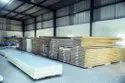
Why Industries Are Rapidly Switching to PUF Wall Panels
Across India’s industrial landscape, a quiet revolution is underway. From Ahmedabad’s pharmaceutical clusters to Surat’s textile hubs and Mumbai’s logistics parks, businesses are replacing conventional brick walls, metal sheet cladding, and RCC construction with PUF wall panels. The reasons are compelling: better thermal performance, faster construction, lower lifecycle costs, and superior hygiene standards.
In this comprehensive guide, we examine the 12 key benefits of PUF wall panels that are driving this industry-wide shift, backed by real performance data and cost comparisons.
12 Key Benefits of PUF Wall Panels
1. Superior Thermal Insulation
PUF wall panels offer a thermal conductivity of just 0.022 W/mK – the lowest among commonly used building materials. A 50mm PUF panel provides equivalent insulation to a 230mm brick wall, keeping indoor temperatures stable regardless of external weather conditions. This is particularly critical for factories, cold storage, and food processing units where temperature control directly impacts product quality.
2. Significant Energy Savings
By dramatically reducing heat transfer through walls, PUF panels lower HVAC energy consumption by 30–40%. For a typical 10,000 sq ft industrial facility in Gujarat, this translates to annual electricity savings of ₹2–3 lakh. Over a 20-year building life, the cumulative energy savings often exceed the initial panel investment.
3. Rapid Installation
PUF wall panels are prefabricated and arrive at the site ready for installation. A trained crew of 6–8 workers can install 300–500 sq ft of wall panelling per day. Compared to brick masonry (50–80 sq ft per mason per day), PUF panels are installed 5–6x faster, reducing overall construction timelines by 50–60%.
4. Lightweight Construction
A 50mm PUF wall panel weighs approximately 10–12 kg/m², compared to 200+ kg/m² for a standard brick wall. This lightweight nature reduces structural steel requirements by 15–20% and foundation loads significantly, creating a cascading cost benefit throughout the building structure.
5. Fire Resistance
Standard PUF panels achieve B2 fire rating (self-extinguishing), while high-performance variants achieve B1 fire rating. The steel facings provide additional fire protection by encapsulating the foam core. For applications requiring FM Approved fire performance, PIR panels are available as an upgrade.
6. Hygienic & Easy to Clean
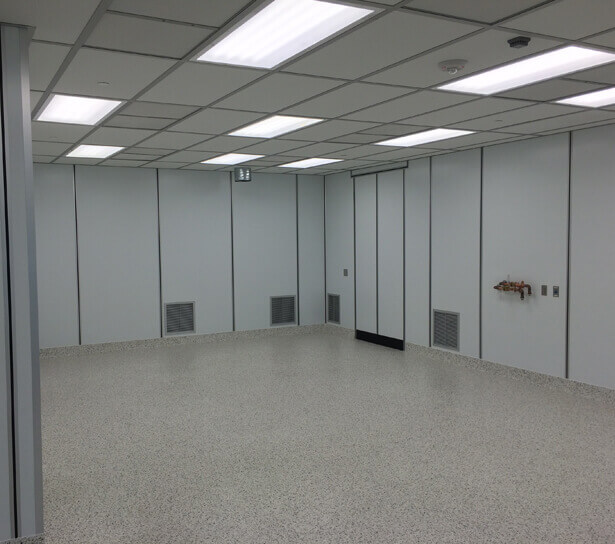
PUF wall panels have smooth, non-porous surfaces that do not harbour bacteria, mould, or dust. They can be cleaned with standard detergents and pressure washing. This makes them ideal for food processing plants, pharmaceutical facilities, and healthcare environments where hygiene standards are paramount.
7. Acoustic Insulation
PUF panels provide sound reduction of 25–30 dB, creating quieter indoor environments. This is valuable for manufacturing plants where noise control is required for worker safety, as well as for commercial applications like offices and data centres adjacent to noisy areas.
8. Moisture & Vapour Resistance
The closed-cell structure of PUF foam has extremely low water absorption (≤1.5% by volume). Combined with sealed panel joints, PUF walls create an effective vapour barrier that prevents moisture ingress, condensation, and associated problems like corrosion and mould growth.

9. Low Maintenance
Unlike brick walls that require periodic repainting, plastering repairs, and waterproofing, PUF wall panels need minimal maintenance. The pre-painted steel facings retain their colour and finish for 15–20 years. Annual maintenance costs are just ₹2–5 per sq ft compared to ₹10–20 per sq ft for conventional walls.
10. Aesthetic Versatility
PUF wall panels are available in a wide range of colours (RAL chart), surface finishes (smooth, textured, woodgrain), and profiles. This allows architects to create modern, professional-looking industrial buildings that were previously associated only with high-end commercial construction.
11. Cost-Effective Over Lifecycle
While the initial cost per sq ft for PUF panels may be similar to or slightly higher than basic brick construction, the total lifecycle cost is significantly lower when you factor in energy savings, faster occupancy (earlier revenue generation), lower maintenance, and reduced structural requirements.
12. Sustainable & Recyclable
PUF wall panels contribute to sustainable construction in multiple ways: the steel facings are 100% recyclable, the panels reduce construction waste by 80% compared to wet construction, and the energy savings over the building’s life significantly reduce its carbon footprint. PUF panels can contribute credits toward IGBC and GRIHA green building certifications.
PUF Wall Panel vs Brick Wall vs Metal Sheet – Comparison
This comparison table highlights why PUF panels outperform conventional wall materials across most parameters:
| Parameter | PUF Wall Panel | Brick Wall (230mm) | Metal Sheet (Single Skin) |
|---|---|---|---|
| Thermal Insulation (U-value) | 0.35–0.45 W/m²K | 2.2–2.8 W/m²K | 5.5–7.0 W/m²K |
| Weight (per m²) | 10–12 kg | 200–250 kg | 5–7 kg |
| Installation Speed | 300–500 sq ft/day | 50–80 sq ft/day | 400–600 sq ft/day |
| Cost per Sq Ft (installed) | ₹200 – ₹350 | ₹180 – ₹280 | ₹80 – ₹140 |
| Energy Cost (annual) | Low (₹8–12/sq ft) | High (₹20–35/sq ft) | Very High (₹35–50/sq ft) |
| Maintenance (annual) | ₹2–5/sq ft | ₹10–20/sq ft | ₹5–10/sq ft |
| Fire Resistance | B2/B1 rated | Excellent (non-combustible) | Poor (conducts heat) |
| Moisture Resistance | Excellent | Poor (absorbs moisture) | Good (but condensation issues) |
| Acoustic Insulation | Good (25–30 dB) | Good (40–45 dB) | Poor (10–15 dB) |
| Lifespan | 25–35 years | 40–50 years | 15–20 years |
| Relocatable | Yes | No | Partially |
When you compare the 10-year total cost of ownership (initial + energy + maintenance), PUF wall panels deliver 25–35% lower total cost than brick walls and 40–50% lower than single-skin metal sheets.
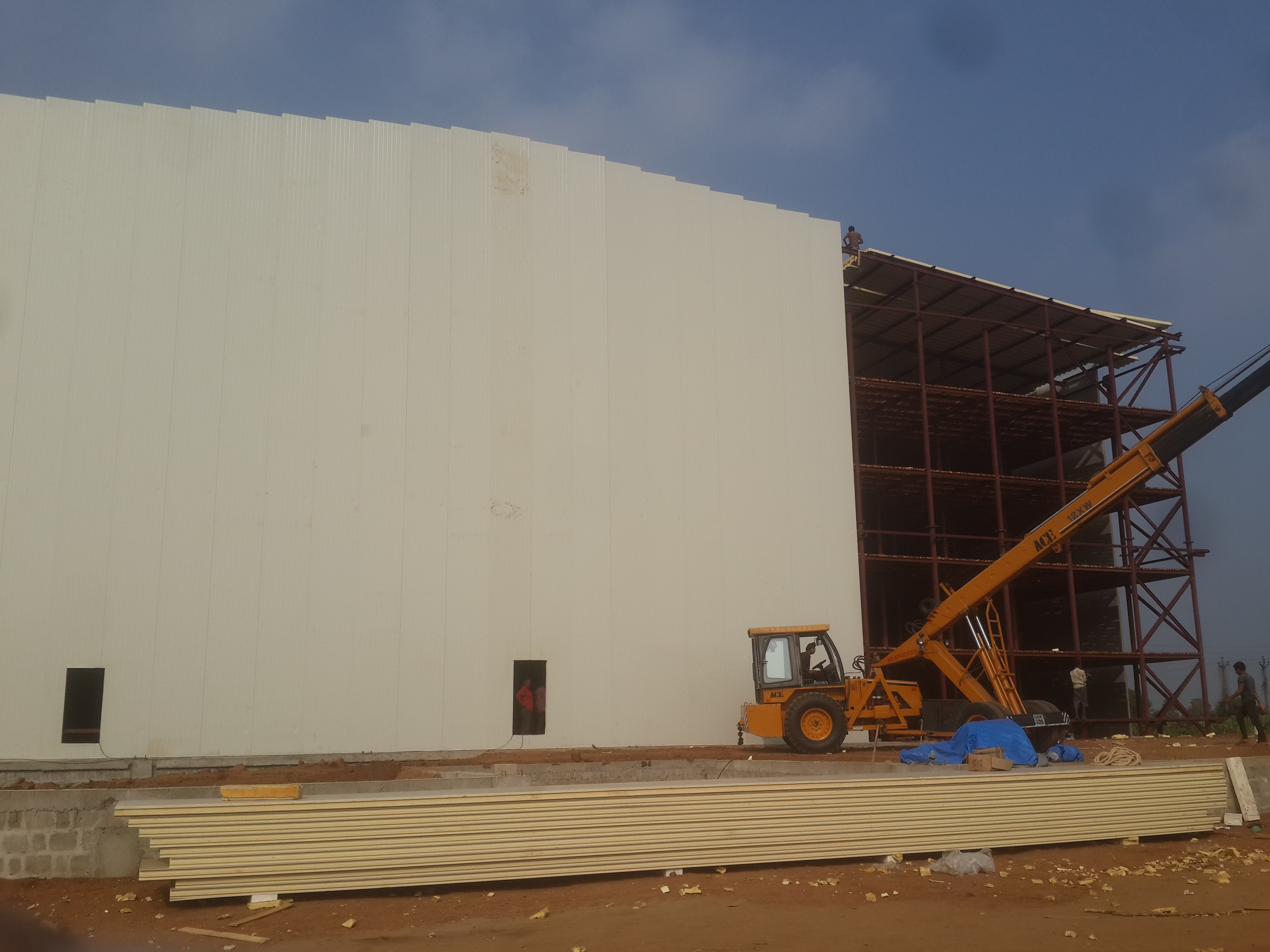
Industries Benefiting Most from PUF Wall Panels
- Food Processing: FSSAI-compliant hygienic walls with easy cleaning, temperature control for production areas.
- Pharmaceuticals: Cleanroom-grade walls with flush joints, antimicrobial coatings, and controlled environments.
- Cold Storage: High-insulation walls that maintain temperatures from −40°C to +15°C with minimal energy loss.
- Warehousing: Cost-effective, fast-to-install walls that protect stored goods from heat and moisture.
- Automotive: Insulated walls for paint shops, assembly areas, and parts storage.
- IT & Data Centres: Acoustic walls with thermal insulation for server rooms and office spaces.
Ready to Switch to PUF Wall Panels?
Whether you’re building a new facility or retrofitting an existing structure, PHOENIXX SmartBuild’s wall and ceiling panels offer the perfect combination of performance, aesthetics, and value. Compare the long-term cost against your current wall material – the savings will speak for themselves.
For more on how PUF panels compare to traditional materials on cost, read our detailed analysis: PUF vs traditional material cost.
Factory direct pricing available. Get wall panel quote →
Frequently Asked Questions
What are the main benefits of PUF wall panels over brick walls?
PUF wall panels offer superior thermal insulation (6–7x better than brick), 50–60% faster installation, 70–80% lighter weight (reducing structural costs), better moisture resistance, easier cleaning, and lower lifecycle costs. While brick has better acoustic insulation and longer raw lifespan, PUF panels deliver significantly better value when energy savings and construction speed are factored in.
How much energy can PUF wall panels save?
PUF wall panels typically reduce HVAC energy consumption by 30–40% compared to uninsulated metal sheet cladding and 15–25% compared to brick walls. For a 10,000 sq ft facility in a hot climate like Gujarat, this translates to annual savings of ₹2–3 lakh in electricity costs, with a payback period of 3–5 years on the panel investment.
Are PUF wall panels fire-resistant?
Standard PUF wall panels achieve a B2 fire rating (self-extinguishing), meaning the foam stops burning when the ignition source is removed. High-performance variants achieve B1 fire rating. For applications requiring FM Approved fire performance, PIR panels are recommended. The steel facings provide additional protection by containing and slowing fire spread.
Can PUF wall panels be used for food processing plants?
Yes, PUF wall panels are widely used in food processing plants due to their smooth, non-porous surfaces that meet FSSAI hygiene requirements. They can be cleaned with standard detergents and pressure washing. Food-grade coated or stainless steel facing options are available for direct food contact areas.
What is the lifespan of PUF wall panels?
PUF wall panels typically last 25–35 years with proper installation and minimal maintenance. The PUF core retains its insulation properties throughout the lifespan. The pre-painted steel facings resist corrosion for 15–25 years depending on the coating type (PPGI, PPGL) and environmental conditions. Panels in coastal or highly corrosive environments may need earlier refurbishment.
Related Resources
Explore related products, locations, case studies, and technical guides from PHOENIXX SMARTBUILD.