PUF Panel vs Traditional Building Materials – True Cost Comparison
A head-to-head cost analysis of PUF panels versus brick, RCC, and metal sheet construction covering material cost, construction time, 10-year total cost of ownership, energy savings, maintenance, and ROI.
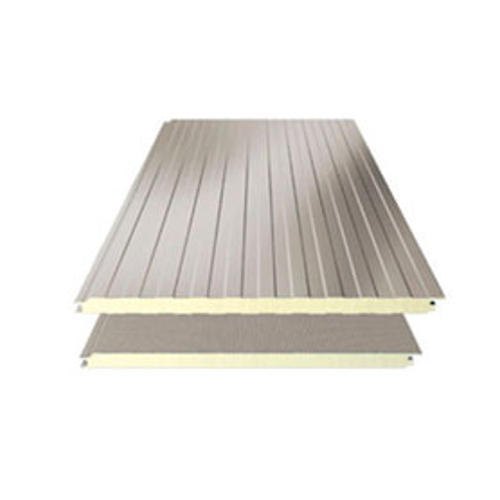
Why the “Cheapest” Material Isn’t Always the Most Affordable
When planning an industrial or commercial building project in India, the immediate instinct is to compare material cost per square foot. By that metric, traditional brick masonry or bare metal sheets appear cheaper than PUF sandwich panels. But construction cost is only one slice of the financial picture.
The true cost of a building envelope includes construction time (and the revenue lost during delays), energy consumption over the building’s lifetime, maintenance and repair expenditure, and eventual replacement or upgrade costs. When these factors are accounted for, PUF panels consistently emerge as the most cost-effective solution for industrial and commercial construction.
In this comprehensive comparison, the engineering team at Phoenixx SmartBuild puts real numbers behind the debate – helping project owners, architects, and consultants make data-driven decisions.
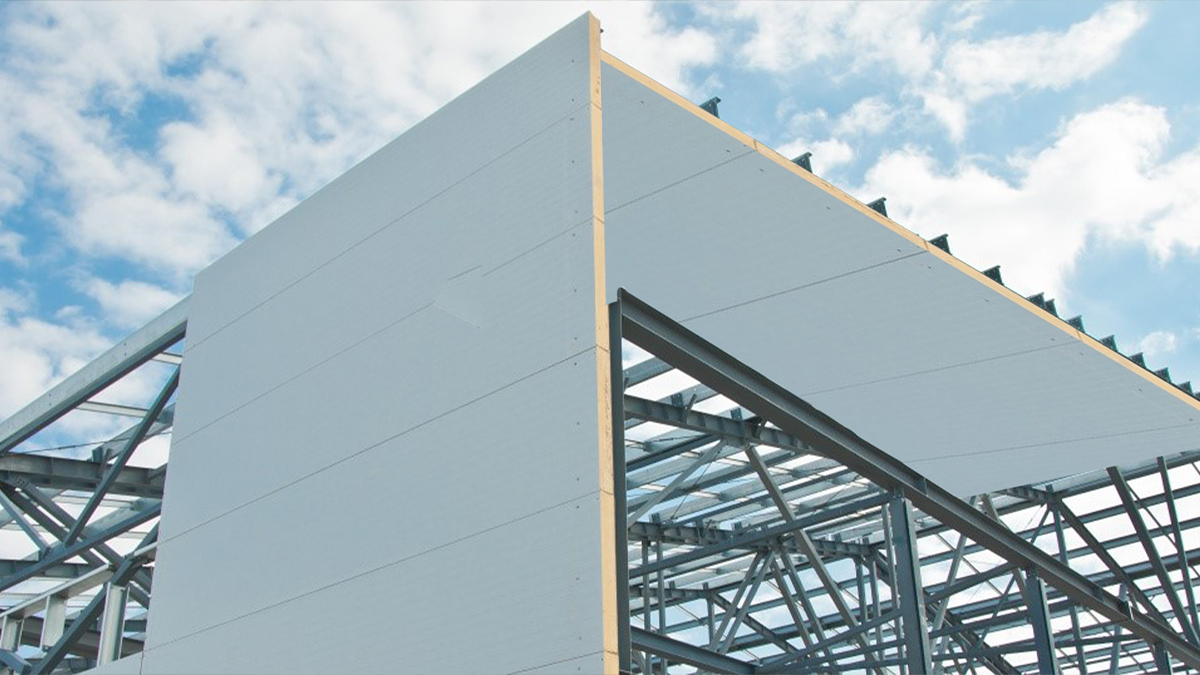
Head-to-Head Material Cost Comparison (2026)
Let’s start with what most people look at first – the raw material and construction cost per square foot for a typical industrial wall or roof enclosure:
| Parameter | PUF Panel (50 mm) | Brick Wall (230 mm) | RCC Wall (150 mm) | Metal Sheet (0.5 mm) |
|---|---|---|---|---|
| Material Cost (₹/sq ft) | ₹ 135 – ₹ 175 | ₹ 90 – ₹ 130 | ₹ 180 – ₹ 260 | ₹ 45 – ₹ 65 |
| Labour Cost (₹/sq ft) | ₹ 25 – ₹ 40 | ₹ 55 – ₹ 80 | ₹ 90 – ₹ 140 | ₹ 15 – ₹ 25 |
| Total Installed Cost (₹/sq ft) | ₹ 160 – ₹ 215 | ₹ 145 – ₹ 210 | ₹ 270 – ₹ 400 | ₹ 60 – ₹ 90 |
| Thermal Insulation (k-value W/mK) | 0.022 | 0.70 | 1.10 | 45+ (no insulation) |
| Construction Speed | 500–800 sq ft/day | 40–60 sq ft/day | 20–35 sq ft/day | 600–1000 sq ft/day |
| Weight (kg/sq m) | 8–12 | 180–220 | 350–400 | 4–6 |
At first glance, brick walls appear comparable and metal sheets appear far cheaper. But the story changes dramatically when you factor in time and energy.
Construction Time Comparison
For a 10,000 sq ft industrial shed with walls and roofing, here’s the approximate construction timeline:
| Construction Method | Envelope Completion Time | Total Project Time (incl. structure) |
|---|---|---|
| PUF Panel + PEB Structure | 7–12 days | 45–60 days |
| Brick + RCC Structure | 60–90 days | 5–8 months |
| RCC Walls + RCC Structure | 75–120 days | 8–12 months |
| Metal Sheet + Steel Structure | 5–8 days | 30–45 days |
Every month of construction delay has a direct financial cost – rent on temporary facilities, interest on project finance, and lost revenue from the business that the building is meant to house. For a mid-sized warehouse project, each month of delay costs ₹ 3–6 lakh in carrying costs alone. PUF panel construction with PEB solutions can save 4–6 months versus conventional RCC, translating to ₹ 12–36 lakh in time-value savings.
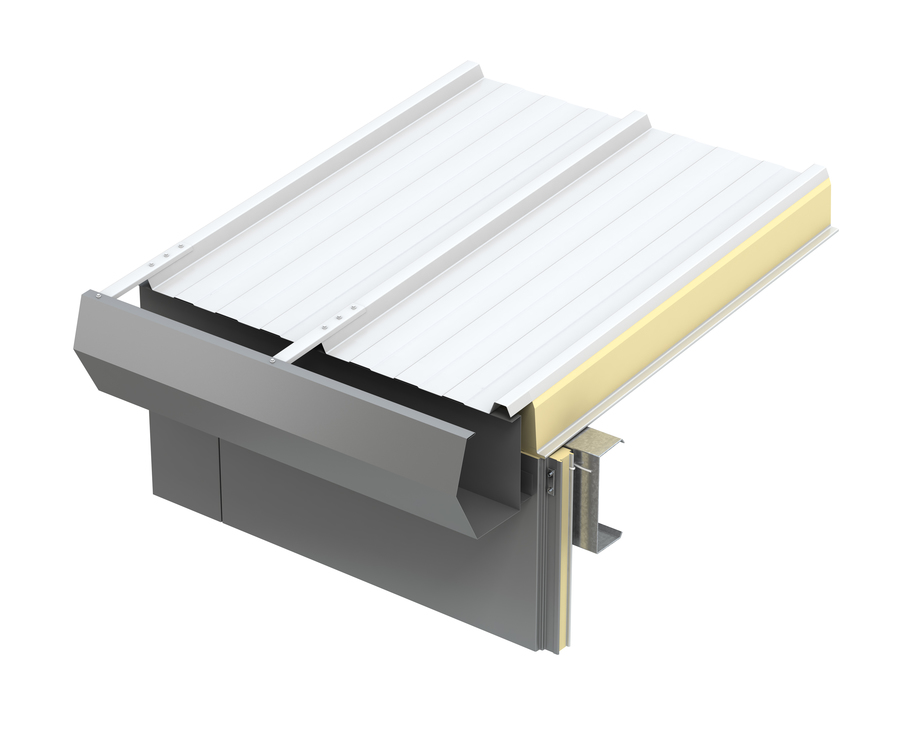
10-Year Total Cost of Ownership (TCO) Analysis
Let’s model the true 10-year cost for a 20,000 sq ft industrial building in Gujarat’s climate (average summer peak: 43°C), accounting for energy, maintenance, and opportunity costs:
| Cost Component | PUF Panel Building | Brick + RCC Building | Metal Sheet Building |
|---|---|---|---|
| Construction Cost | ₹ 38 lakh | ₹ 42 lakh | ₹ 16 lakh |
| Annual Energy Cost (HVAC/cooling) | ₹ 2.4 lakh | ₹ 4.5 lakh | ₹ 7.2 lakh |
| 10-Year Energy Cost | ₹ 24 lakh | ₹ 45 lakh | ₹ 72 lakh |
| 10-Year Maintenance Cost | ₹ 1.5 lakh | ₹ 6 lakh | ₹ 8 lakh |
| Time-Value Savings (faster construction) | ₹ 15 lakh saved | Baseline (₹ 0) | ₹ 18 lakh saved |
| Total 10-Year Cost | ₹ 48.5 lakh | ₹ 93 lakh | ₹ 78 lakh |
The numbers are striking. Despite a higher upfront material cost than metal sheets, the PUF panel building costs 48% less over ten years than a brick/RCC building and 38% less than a bare metal sheet structure. The insulation alone saves ₹ 21–48 lakh in energy costs over a decade.
Energy Savings Calculation
PUF panels provide a thermal conductivity of 0.022 W/mK – which is 32x better than brick (0.70 W/mK) and 50x better than RCC (1.10 W/mK). This means:
- A 50 mm PUF panel wall provides the same insulation as a 1,100 mm brick wall
- Indoor temperatures remain 8–12°C cooler than outdoor ambient without any air conditioning
- HVAC systems work 40–50% less to maintain the same indoor temperature
- For every 1,000 sq ft of PUF-insulated roof, annual AC savings equal ₹ 12,000–18,000
These savings are especially pronounced in hot climates like Ahmedabad, Rajasthan, and central India, where summer temperatures routinely exceed 45°C. Read our detailed analysis: PUF panel vs RCC construction.
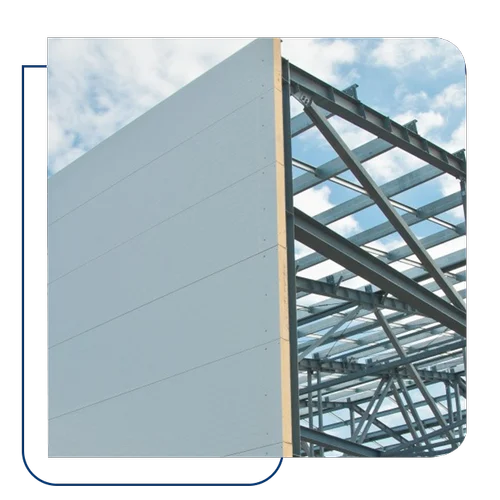
Maintenance Cost Comparison
Building envelope maintenance is an often-overlooked cost that significantly impacts TCO:
- PUF panels: Require minimal maintenance. Annual cleaning and periodic sealant renewal at joints. No repainting needed for 15–20 years with PPGI facings. Cost: ₹ 0.75–1.50/sq ft/year.
- Brick walls: Require repainting every 3–5 years, crack repair, waterproofing treatment, and periodic re-pointing. Cost: ₹ 3–4/sq ft/year.
- RCC walls: Prone to efflorescence, micro-cracking, and waterproofing failures. Require structural maintenance every 5–7 years. Cost: ₹ 2.50–4/sq ft/year.
- Metal sheets: Prone to rust, corrosion, and leakage at fastener points. Require re-coating every 5–7 years and fastener replacement. Cost: ₹ 3–5/sq ft/year.
ROI Analysis: When Does PUF Pay for Itself?
Compared to brick/RCC construction, PUF panels offer a positive ROI within 2–3 years through combined savings on energy, maintenance, and construction time. Compared to bare metal sheets, the ROI period is 3–4 years, driven primarily by energy savings.
For cold storage and temperature-controlled environments, the ROI is even faster – often within 12–18 months – because the energy savings from superior insulation are dramatically higher.
Resale and Expansion Value
PUF panel buildings offer unique advantages for future modifications:
- Relocatable: PUF panels can be disassembled and reassembled at a new site, recovering 60–70% of material value
- Expandable: Adding bays to a PUF+PEB structure takes weeks, not months
- Higher rental premiums: Insulated buildings command 10–15% higher rental rates in industrial zones
Get a Free Cost Comparison Sheet from Phoenixx SmartBuild
Every project has unique requirements. Phoenixx SmartBuild’s engineering team provides customised cost comparison sheets that model PUF panel costs against your specific alternative – complete with energy savings projections and TCO analysis for your climate zone and building size.
Factory direct pricing. Get quote in 24 hours. Whether you’re building in Ahmedabad, Pune, Jaipur, or anywhere in India, get an accurate comparison. Get cost comparison sheet →
Frequently Asked Questions
Is PUF panel cheaper than brick construction?
The installed cost per sq ft is comparable – PUF panels range from ₹ 160–215/sq ft while brick walls cost ₹ 145–210/sq ft. However, PUF panel construction is 5–8x faster, saving months of labour and project financing costs. Over 10 years, PUF panel buildings cost 40–50% less than brick/RCC buildings when energy and maintenance costs are included.
How much energy do PUF panels save compared to metal sheets?
PUF panels reduce HVAC energy consumption by 50–65% compared to bare metal sheet buildings. For a 20,000 sq ft industrial building in a hot climate like Gujarat or Rajasthan, this translates to annual savings of ₹ 4.5–7 lakh on electricity bills.
Can PUF panel buildings be expanded later?
Yes. PUF panel buildings with PEB steel structures are highly modular. Additional bays, extensions, or mezzanine floors can be added in weeks without disrupting existing operations. Panels can also be disassembled and relocated, recovering 60–70% of material value.
What is the lifespan of a PUF panel building vs brick?
PUF panel buildings have a design life of 25–30 years for the panels and 50+ years for the steel structure. Brick/RCC buildings can last 40–60 years but require significantly more maintenance. The PUF panels themselves can be replaced at end-of-life without disturbing the primary structure.
How does PUF panel cost compare to RCC for cold storage?
For cold storage applications, PUF panels are dramatically more cost-effective than RCC. A PUF panel cold room costs 30–40% less to construct and 50–60% less to operate annually due to superior insulation. The ROI on choosing PUF over RCC for cold storage is typically achieved within 12–18 months.
Related Resources
Explore related products, locations, case studies, and technical guides from PHOENIXX SMARTBUILD.