PUF Panel Price Guide 2025: Understanding Market Rates & Value
Looking for PUF panel prices? This guide covers market rates, price factors, and how to evaluate value beyond just cost per square foot.
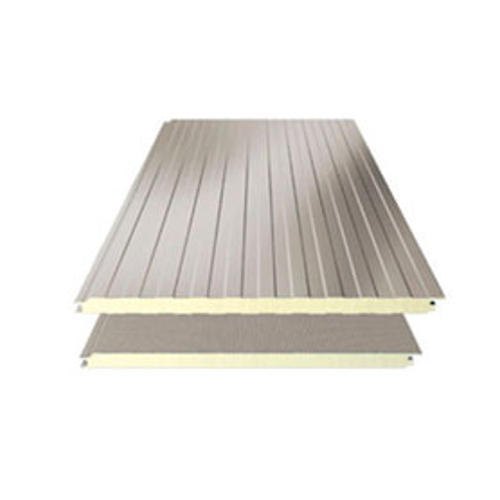
Understanding PUF Panel Pricing
If you're searching for panel price lists online, you've probably noticed significant price variations between suppliers. A 50mm panel might be quoted at ₹850/sqm by one manufacturer and ₹1,100/sqm by another. Are they the same product? Almost certainly not.
After 13+ years in this industry, I've learned that comparing PUF panel prices requires understanding what drives those prices. Let me share insights that will help you make informed decisions.
Current Market Price Ranges
These are indicative market rates for quality panels from established manufacturers:
Standard PUF Panels (Wall/Ceiling)
| Thickness | Price Range (₹/sqm) | Typical Application |
|---|---|---|
| 30mm | 750-900 | Partitions, office interiors |
| 40mm | 850-1,000 | Warehouse walls |
| 50mm | 950-1,150 | Cold rooms (+10°C), industrial sheds |
| 60mm | 1,100-1,300 | Chilled storage |
| 80mm | 1,350-1,600 | Cold storage (+2 to +8°C) |
| 100mm | 1,600-1,900 | Freezer rooms (-18 to -25°C) |
| 120mm | 1,850-2,200 | Deep freeze applications |
| 150mm | 2,200-2,600 | Blast freezers, extreme cold |
Roofing PUF Panels
Roofing panels typically cost 10-15% more than wall panels due to profiled outer skins:
| Thickness | Price Range (₹/sqm) |
|---|---|
| 30mm | 850-1,000 |
| 40mm | 950-1,150 |
| 50mm | 1,100-1,300 |
| 60mm | 1,250-1,500 |
| 80mm | 1,550-1,850 |
| 100mm | 1,850-2,200 |
Specialized Panels
- PIR Panels: 15-25% premium over standard PUF
- Rockwool Panels: 40-60% premium over PUF
- FM Approved Panels: 50-80% premium
- Stainless Steel Skin Panels: 80-120% premium
Factors That Affect Pricing
Panel Specifications
- Foam density: Higher density (42-45 kg/m³) costs more but performs better
- Metal thickness: 0.50mm skins vs 0.45mm
- Coating type: Polyester vs SMP vs PVDF
- Joint system: Cam-lock vs tongue-and-groove
- Fire rating: B2 vs B1 vs Class A
Order Parameters
- Quantity: Bulk orders (1,000+ sqm) get better rates
- Panel lengths: Standard lengths vs custom cutting
- Delivery location: Freight adds to landed cost
- Payment terms: Advance payment may get discounts
Value vs. Price: What Really Matters
The cheapest panel is rarely the best value. Consider:
Quality Indicators
- Thermal performance: Lower conductivity = lower energy bills
- Service life: Quality panels last 25-30 years vs 10-15 for cheap ones
- Warranty terms: What's covered and for how long?
- Documentation: Test certificates for compliance audits
Hidden Costs to Watch
- Panels that arrive damaged due to poor packing
- Dimension variations requiring field adjustments
- Poor joint fit causing air leakage
- Delamination problems within years of installation
Getting the Best Value from PHOENIXX
At PHOENIXX, we focus on value, not just price:
- Consistent quality: Every panel meets stated specifications
- Technical support: Help optimizing your design and specifications
- Complete documentation: Test reports, certificates, installation guides
- Reliable delivery: On-time delivery with proper packing
- After-sales support: We stand behind our products
How to Request a Quote
For accurate pricing, provide:
- Total area required (separate wall and roof)
- Panel thickness and type needed
- Skin material preferences
- Project location for delivery costing
- Project timeline
Conclusion
Don't choose panels based solely on price per sqm. A quality panel from a reliable manufacturer like PHOENIXX costs a bit more upfront but delivers dramatically better value through performance, longevity, and peace of mind. For installation cost information, see our dedicated guide.
Ready for a detailed quote? Contact PHOENIXX with your project requirements for transparent pricing.
Frequently Asked Questions
Why do PUF panel prices vary so much between suppliers?
Price variations reflect differences in foam density, metal thickness, coating quality, joint systems, and manufacturing standards. A ₹100/sqm difference often means significant quality differences that affect performance and longevity.
Is PIR worth the extra cost over PUF?
For fire-sensitive applications like pharma or high-value warehouses, PIR's enhanced fire performance (B-s1,d0 rating) and lower smoke emission justify the 15-25% premium. For general industrial use, standard PUF often suffices.
How can I reduce project cost without compromising quality?
Optimize panel lengths to reduce wastage, consider standard colors instead of custom shades, order in bulk where possible, and work with the manufacturer to optimize your design. PHOENIXX engineers can help identify savings without quality compromise.
Related Resources
Explore related products, locations, case studies, and technical guides from PHOENIXX SMARTBUILD.