Choosing the Right Insulated Panel for Your Project
A comprehensive guide to selecting between PIR, PUF, Rockwool, and other insulation types based on your application requirements.
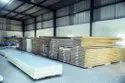
Introduction to Insulated Panels
Insulated sandwich panels have revolutionized industrial construction, offering superior thermal performance, fast installation, and design flexibility. Choosing the right panel type is crucial for project success.
Types of Insulated Panels
1. PUF (Polyurethane Foam) Panels
Sandwich PUF Panels are the most widely used insulation type:
- Thermal Conductivity: 0.024 W/mK
- Fire Rating: Class E (standard)
- Best For: Warehouses, factories, commercial buildings
- Cost: Most economical option
2. PIR (Polyisocyanurate) Panels
PIR Panels offer enhanced fire performance:
- Thermal Conductivity: 0.022 W/mK
- Fire Rating: Class B-s1, d0
- Best For: Cold storage, pharma, food processing
- Cost: Premium pricing for better safety
3. Rockwool Panels
Rockwool Panels provide maximum fire safety:
- Thermal Conductivity: 0.035-0.040 W/mK
- Fire Rating: A1 (Non-combustible)
- Best For: High fire-risk areas, acoustic applications
- Cost: Higher due to mineral wool core
4. Roofing Panels
Roofing PUF Panels are specifically designed for roof applications:
- Trapezoidal profile for water drainage
- Long-span capability
- Weather-resistant coatings
Selection Criteria
Temperature Requirements
| Application | Recommended Panel | Thickness |
|---|---|---|
| Ambient warehouse | PUF | 40-60mm |
| Chilled storage | PIR | 80-100mm |
| Frozen storage | PIR | 120-150mm |
| High fire risk | Rockwool | 50-100mm |
Fire Safety Considerations
- Standard warehouses: PUF is adequate
- Food/Pharma: PIR recommended
- Oil & Gas: Rockwool required
- High-rise buildings: Check local fire codes
Budget Considerations
While initial cost matters, consider total cost of ownership:
- Energy savings over 25+ year lifespan
- Insurance premium reductions (PIR/Rockwool)
- Maintenance requirements
- Replacement costs
PHOENIXX Panel Range
PHOENIXX manufactures a complete range of sandwich panels to meet every requirement. Our technical team can help you select the optimal panel type for your project.
Conclusion
The right panel choice depends on your specific requirements for thermal performance, fire safety, budget, and application. Don't compromise on quality—the right insulation pays for itself through energy savings.
Need guidance? Request a free technical consultation from our panel experts.
Related Resources
Explore related products, locations, case studies, and technical guides from PHOENIXX SMARTBUILD.