PUF Roofing Panels for India’s Climate – Heat, Monsoon & Durability
PUF roofing panels are engineered to withstand India’s harshest climate conditions – from 45°C+ summer heat to heavy monsoon rains and cyclonic winds. Learn how they deliver 30–40% AC reduction, superior waterproofing, and long-term durability.
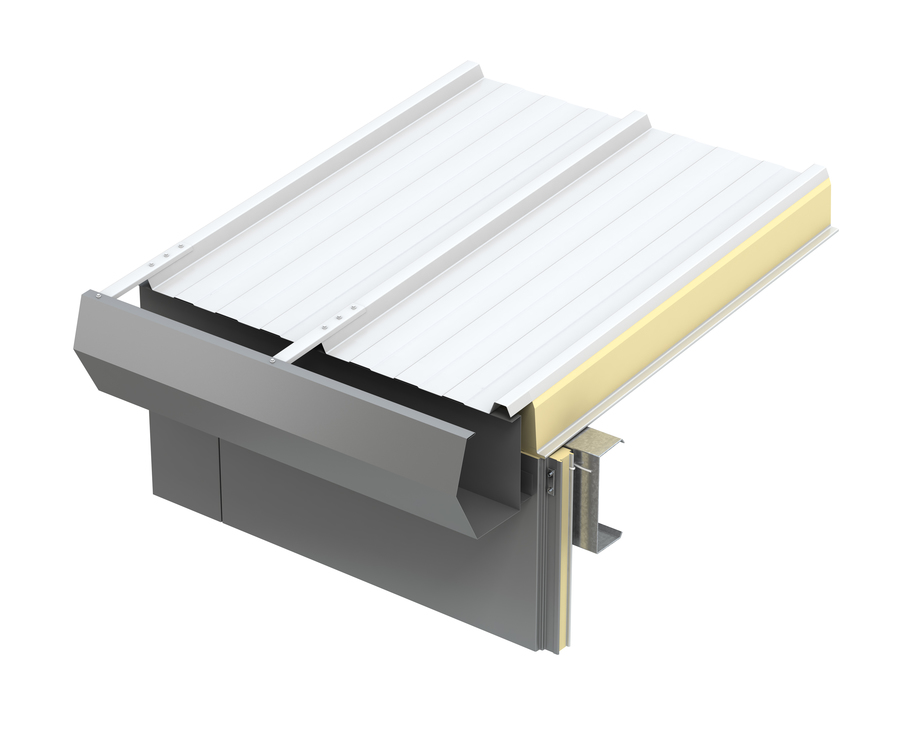
India’s Climate Challenge for Industrial Roofing
India’s diverse and extreme climate poses unique challenges for industrial roofing. From the scorching summers of Rajasthan (touching 48°C+) to the relentless monsoons of the Konkan coast (3,000mm+ annual rainfall) and the cyclonic storms along Gujarat and Odisha’s coastline, a roofing system must withstand it all – year after year, decade after decade.
Traditional roofing materials like bare metal sheets (GI/GC), asbestos, and even RCC struggle with one or more of these challenges. Metal sheets turn factory interiors into ovens during summer. RCC roofs crack and leak after a few monsoon cycles. Asbestos is a health hazard being phased out globally.
PUF roofing panels offer a modern solution that addresses all of India’s climate challenges simultaneously: heat insulation, monsoon waterproofing, wind resistance, and long-term durability. Let’s explore how.
Beating the Heat: Thermal Performance of PUF Roofing Panels
The roof is the largest surface area exposed to direct solar radiation. In Indian summers, roof surface temperatures can reach 70–80°C on bare metal sheets, making the indoor temperature unbearable without heavy air conditioning.
How PUF Panels Keep Interiors Cool
PUF roofing panels create a thermal barrier between the sun-heated external surface and the interior. With a thermal conductivity of just 0.022 W/mK, a 50mm PUF roofing panel reduces heat transfer by up to 85% compared to a single-skin metal sheet. Here’s what that means in practice:
| Roofing Material | External Temp (Peak Summer) | Indoor Temp (without AC) | AC Energy Requirement |
|---|---|---|---|
| Single Metal Sheet (0.5mm GI) | 45°C | 42–44°C | Very High |
| Metal Sheet + Glass Wool (50mm) | 45°C | 36–38°C | High |
| PUF Roofing Panel (50mm) | 45°C | 30–32°C | Moderate |
| PUF Roofing Panel (80mm) | 45°C | 28–30°C | Low |
| RCC Roof (150mm) | 45°C | 35–38°C | High |
Energy Savings Data
Real-world data from PHOENIXX SmartBuild installations in Gujarat and Rajasthan shows that PUF roofing panels deliver 30–40% reduction in air conditioning energy consumption compared to single-skin metal roofing. For a 20,000 sq ft factory running 8-hour shifts:
- Annual AC electricity savings: ₹4–6 lakh
- Payback period on PUF roofing investment: 3–4 years
- 20-year cumulative savings: ₹80 lakh–₹1.2 crore
Monsoon Protection: Waterproofing & Leak Prevention
India receives 70–90% of its annual rainfall during the 3–4 month monsoon season, often in intense bursts. A roofing system must handle not just rainwater drainage but also prevent leaks at joints, penetrations, and overlaps.
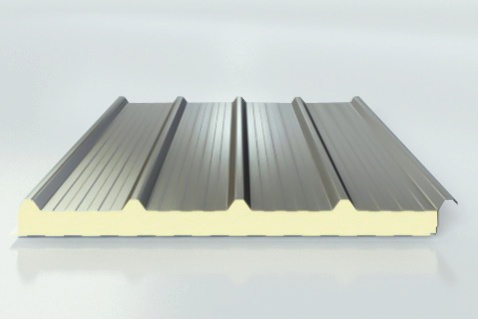
How PUF Roofing Panels Handle Monsoons
- Trapezoidal Profile: The external sheet’s trapezoidal profile channels water efficiently toward gutters, preventing ponding.
- Sealed Joints: Side-lap joints with neoprene gaskets and sealant create a watertight seal that withstands driving rain.
- Closed-Cell PUF Core: Even if a minor breach occurs, the closed-cell foam structure prevents water from wicking through the panel, limiting damage to the point of entry.
- No Condensation: The insulated panel eliminates the temperature differential that causes condensation (dripping) on the underside of bare metal roofs during monsoon humidity.
R-Value Performance Across Thicknesses
The R-value (thermal resistance) determines how well a roofing panel blocks heat. Higher R-values mean better insulation. Here’s the R-value performance of PUF roofing panels across standard thicknesses:
| Panel Thickness | R-Value (m²K/W) | Recommended Climate Zone |
|---|---|---|
| 40mm | 1.82 | Mild (coastal, moderate summers) |
| 50mm | 2.27 | Standard (most of India) |
| 60mm | 2.73 | Hot-dry (Rajasthan, Gujarat interiors) |
| 80mm | 3.64 | Extreme heat (desert regions, AC facilities) |
| 100mm | 4.55 | Cold storage roofing, temperature-critical |
For most industrial applications in India’s hot climate, we recommend a minimum of 50mm PUF roofing panels. For air-conditioned facilities in Rajasthan or Gujarat, 60–80mm provides optimal performance-to-cost ratio.
Wind & Cyclone Resistance
India’s western and eastern coastlines experience cyclonic storms with wind speeds exceeding 150–200 km/h. PUF roofing panels, when properly fixed to the supporting structure with appropriate fastener spacing, can withstand wind loads as per IS 875 Part 3. The interlocking side-lap design and continuous panel lengths (up to 12m) reduce the number of vulnerable joints.
UV Resistance & Colour Retention
The external steel facing of PUF roofing panels is coated with high-durability polyester or PVDF paint systems that resist UV degradation. In India’s intense solar environment, standard polyester coatings retain colour for 10–15 years, while PVDF coatings last 20–25 years without significant fading or chalking.
PUF Roofing vs Metal Sheets vs RCC – Climate Performance
| Parameter | PUF Roofing Panel | Metal Sheet (GI/GC) | RCC Roof |
|---|---|---|---|
| Heat Insulation | Excellent | Poor | Moderate |
| Monsoon Waterproofing | Excellent | Good (but leaks at joints) | Moderate (cracks over time) |
| Condensation Prevention | Excellent | Poor (heavy dripping) | Moderate |
| Wind Resistance | High (up to 200 km/h) | Moderate (fastener pull-out risk) | Very High |
| Energy Savings | 30–40% AC reduction | None | 10–15% (with waterproofing) |
| Installation Time | Fast (1–2 weeks) | Fast (1 week) | Slow (4–8 weeks) |
| Cost per Sq Ft | ₹170 – ₹380 | ₹60 – ₹120 | ₹250 – ₹450 |
| Maintenance | Low | High (rust, leaks) | High (waterproofing, cracks) |
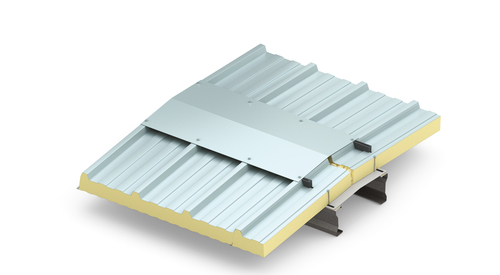
Climate-Optimized Recommendations from PHOENIXX SmartBuild
Based on our experience with 500+ roofing projects across India, here are our climate-specific recommendations:
- Hot-Dry Zones (Rajasthan, Gujarat, MP): 60–80mm PUF roofing panel with light-coloured exterior (white or light grey) for maximum solar reflectance.
- Hot-Humid Zones (Coastal Gujarat, Maharashtra, Goa): 50–60mm PUF panel with PPGL (galvalume) facing for superior corrosion resistance.
- Composite Climate (Delhi NCR, UP): 50mm PUF panel for balanced summer cooling and winter insulation.
- Cyclone-Prone Areas: 50–80mm PUF panel with reduced fastener spacing (300mm vs standard 500mm) for enhanced wind uplift resistance.
For a detailed recommendation tailored to your specific location and building design, read more about PUF for Indian climate or get a climate-optimized quote.

Frequently Asked Questions
Can PUF roofing panels withstand 45°C+ temperatures in Indian summers?
Yes, PUF roofing panels are designed to perform in extreme heat. The PUF core has a service temperature range of −40°C to +80°C, so even when the external surface reaches 70–80°C in peak summer, the panel maintains its structural and insulation properties. A 50mm PUF panel reduces indoor temperature by 10–14°C compared to bare metal roofing.
Are PUF roofing panels leak-proof during monsoons?
PUF roofing panels are highly resistant to leaks when properly installed. The trapezoidal profile ensures efficient water drainage, sealed side-lap joints with neoprene gaskets prevent rain penetration, and the closed-cell PUF core does not absorb water even if a minor breach occurs. Proper installation with correct overlap and sealant application is key to achieving a 100% leak-free roof.
How much energy do PUF roofing panels save in India?
PUF roofing panels typically save 30–40% on air conditioning energy costs compared to uninsulated metal roofing. For a 20,000 sq ft factory in Gujarat or Rajasthan, this translates to ₹4–6 lakh in annual electricity savings. The investment in PUF roofing typically pays for itself within 3–4 years through energy savings alone.
Which PUF roofing panel thickness is best for Indian climate?
For most of India, 50mm PUF roofing panels provide an excellent balance of insulation and cost. For hot-dry regions like Rajasthan and interior Gujarat, 60–80mm is recommended. For air-conditioned facilities, 80–100mm provides optimal energy savings. For cold storage roofing, 100mm+ is required to maintain internal temperatures.
Can PUF roofing panels resist cyclonic winds?
Yes, PUF roofing panels can withstand wind speeds up to 150–200 km/h when properly fixed with appropriate fastener spacing as per IS 875 Part 3. For cyclone-prone areas, reduced fastener spacing (300mm vs standard 500mm) and additional holding-down bolts at ridge and eave ensure enhanced wind uplift resistance.
Related Resources
Explore related products, locations, case studies, and technical guides from PHOENIXX SMARTBUILD.